Where to Place Floor Lamps in Living Room(7 Designer-Approved Layout Ideas)
Floor lamps by Minoze Lighting shape your living room's mood and functionality. Maximize style and comfort by placing them in five strategic spots: behind reading chairs, in dark corners to expand space, beside the TV to reduce eye strain, flanking the sofa for symmetry, or next to accent furniture to define open zones.
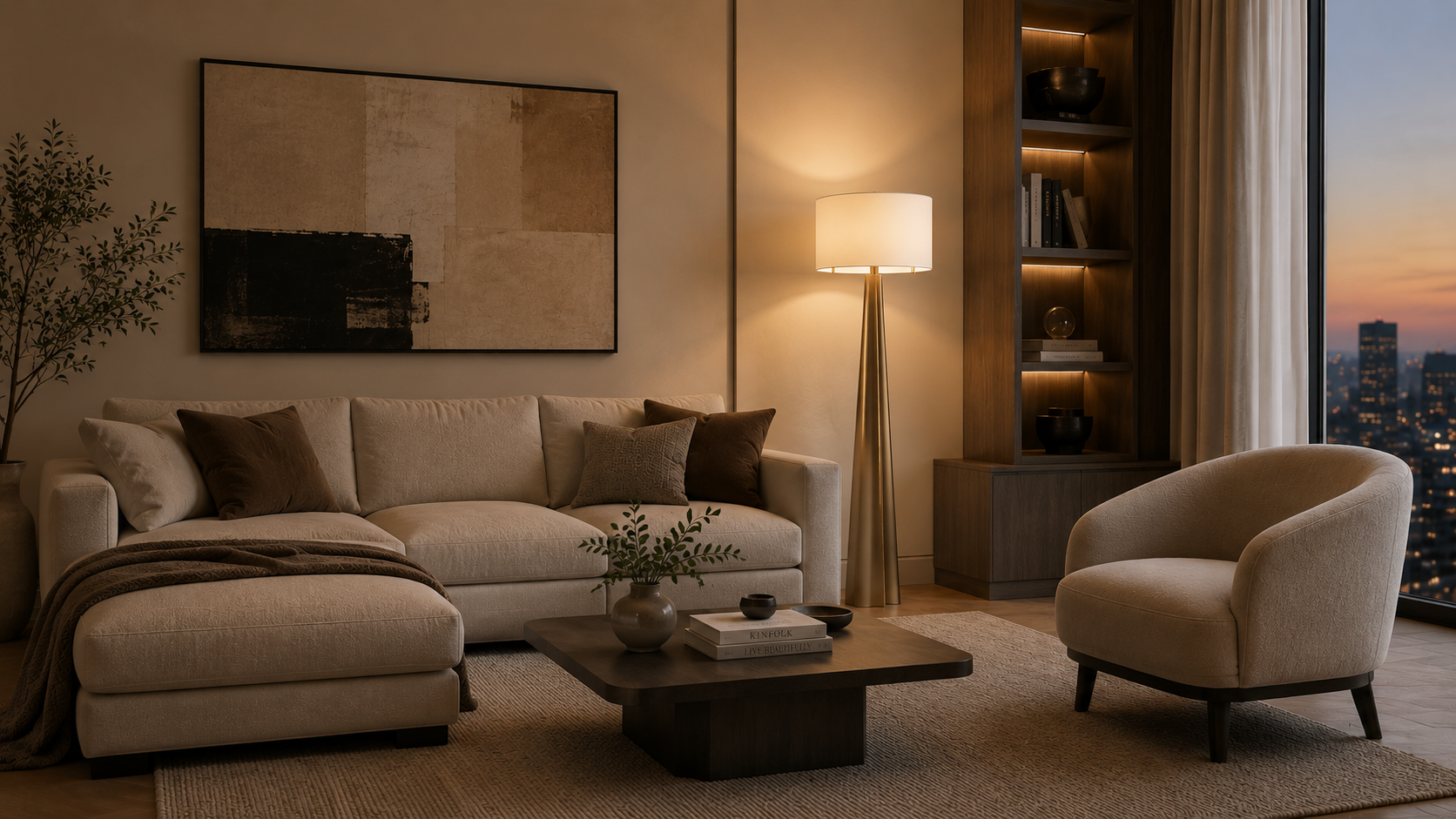
Where to Place Floor Lamps in Living Room (7 Designer-Approved Layout Ideas)
A living room can look beautifully designed during the day and still feel strangely uncomfortable at night.
The sofa may fit the space perfectly. The colors may feel balanced. The materials may all work together naturally. But once evening comes and the ceiling lights turn on, the room suddenly feels flatter, brighter, and less relaxing than it did a few hours earlier.
This happens in a lot of homes. In many cases, the problem is not the furniture — it’s the lighting. More specifically, it’s where the light is coming from.
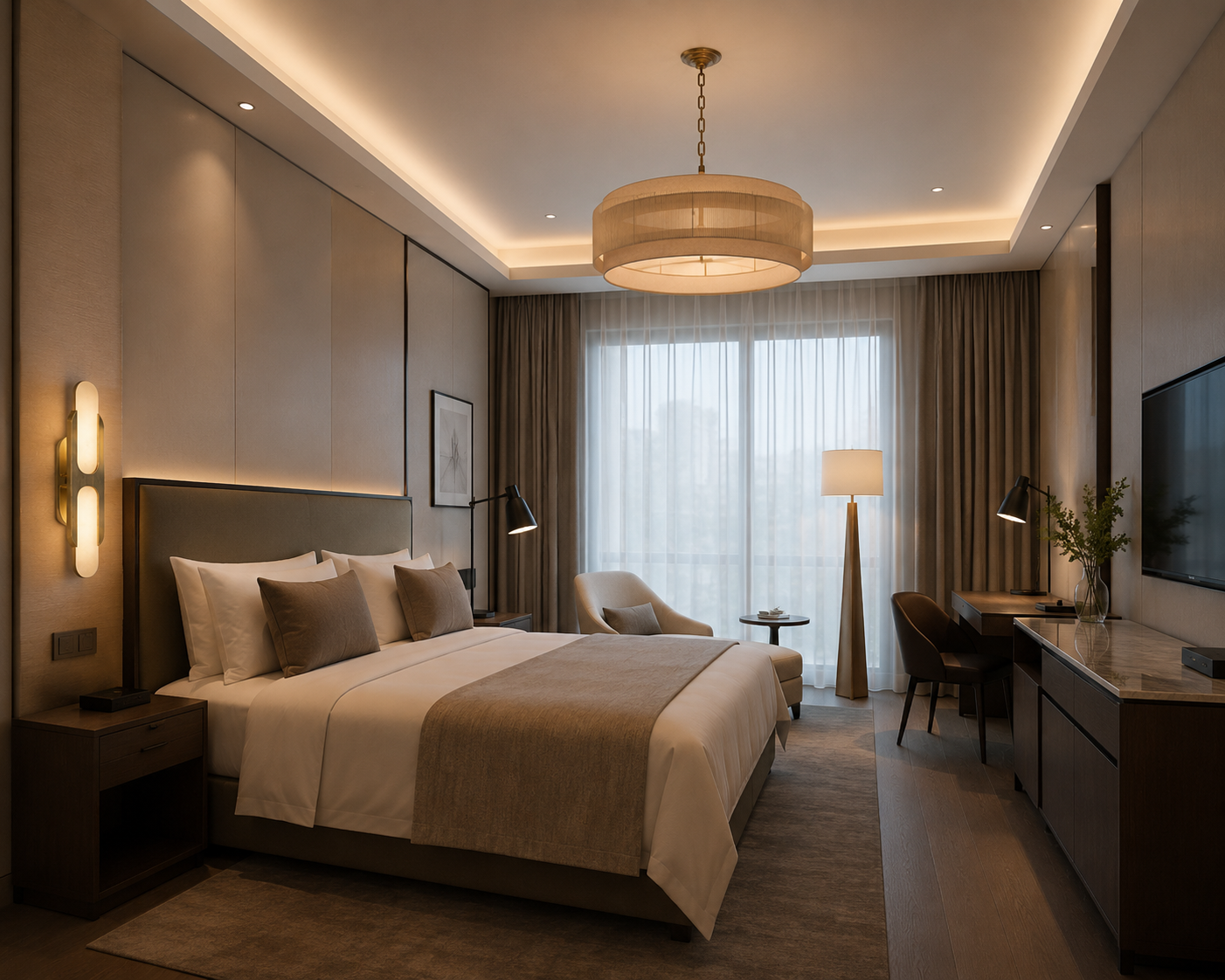
Floor lamps have a unique ability to change the atmosphere of a room without changing the room itself. A soft glow beside a linen sofa, a warmer corner near a reading chair, or a gentle pool of light behind a sectional can completely change how a living room feels after dark.
At Minoze Lighting, many of the interiors we work on are designed around comfort in the evening rather than brightness alone. Hospitality-inspired spaces rarely rely on one strong overhead fixture because comfortable rooms usually feel layered, softer, and visually quieter at night. That’s where floor lamp placement matters.
Why Some Living Rooms Feel Comfortable at Night — and Others Don’t
Most people think lighting is mainly about brightness; designers usually think about contrast first.
The most comfortable living rooms are rarely evenly bright everywhere. Instead, they contain softer transitions between light and shadow. Certain corners stay quieter. Some areas feel gently illuminated while others remain slightly darker and calmer. That variation is what gives a room atmosphere.
Daytime Balance ──► Natural light disappears
                ──► Deep fabrics & sectionals absorb light
                ──► Empty corners fall into heavy shadow
                ──► Overhead lights flatten room depth
                ──► Solution: Bring light lower into the space
Ceiling fixtures illuminate everything equally, which improves visibility but often makes residential spaces feel flatter and slightly harsher at night. Floor lamps soften that effect because the light source moves lower and closer to where people actually sit, read, talk, or unwind at the end of the day.
In many apartments, the living room itself is not actually too small — the lighting is simply concentrated in the wrong areas. Large sectionals, darker upholstery, matte black finishes, and deeper charcoal fabrics tend to absorb light at night, making surrounding areas feel heavier than they do during the day. Softer lighting beside or behind those pieces helps the room feel more open and visually settled.
Good lighting usually feels invisible. You notice the atmosphere before you notice the fixture. And sometimes a room does not actually need more light — it simply needs light in a different place.
🙌Designer Reference Measurements
These measurements are commonly used in residential and hospitality interiors to help lighting feel softer, more integrated, and more comfortable at night.
| Placement Area | Recommended Measurement | Why It Helps |
|---|---|---|
| Beside Sofa | 58–64 inch lamp height | Keeps light near seated eye level to avoid direct shade glare |
| Behind Sofa | 12–18 inches behind seating | Helps light feel naturally connected to furniture instead of detached |
| Near Television | 4–6 feet from TV | Acts as bias lighting, softening screen contrast at night |
| Color Temperature | 2700K–3000K (Warm White) | Creates warmer evening lighting instead of a clinical look |
| Reading Area | 400–800 lumens | Comfortable focused brightness without harsh glare |
7 Pro Placement Strategies for Your Living Room
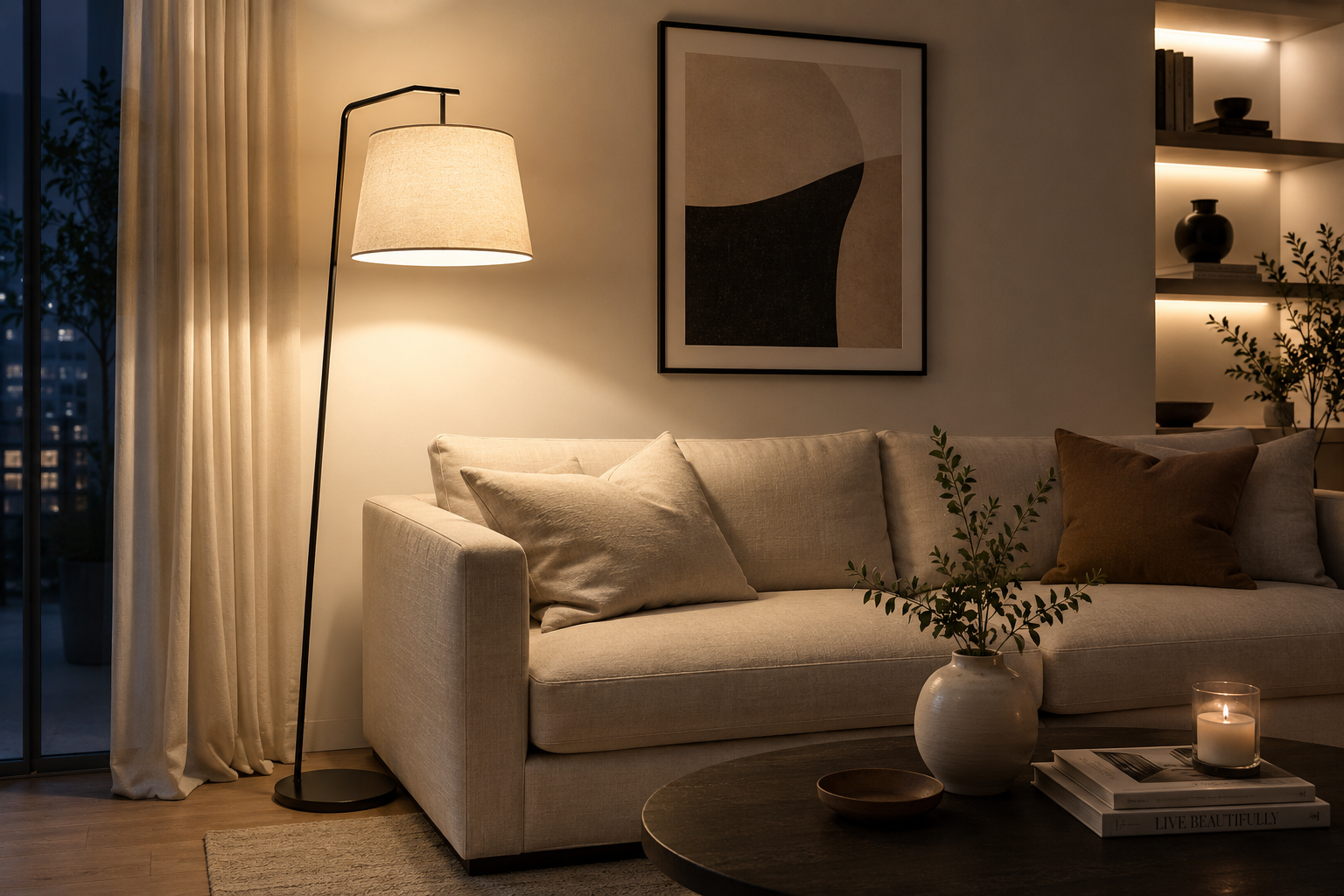
1. Place a Floor Lamp Beside the Sofa
This is one of the simplest floor lamp layouts, but also one of the most effective. A lamp beside the sofa creates softer localized lighting for reading, conversation, or winding down in the evening while helping the seating area feel visually grounded within the room.
- The Proportion Rule: If the lampshade sits too low, the bulb becomes visible while seated and creates direct glare. If the lamp is too tall, the lighting starts feeling detached from the furniture below it.
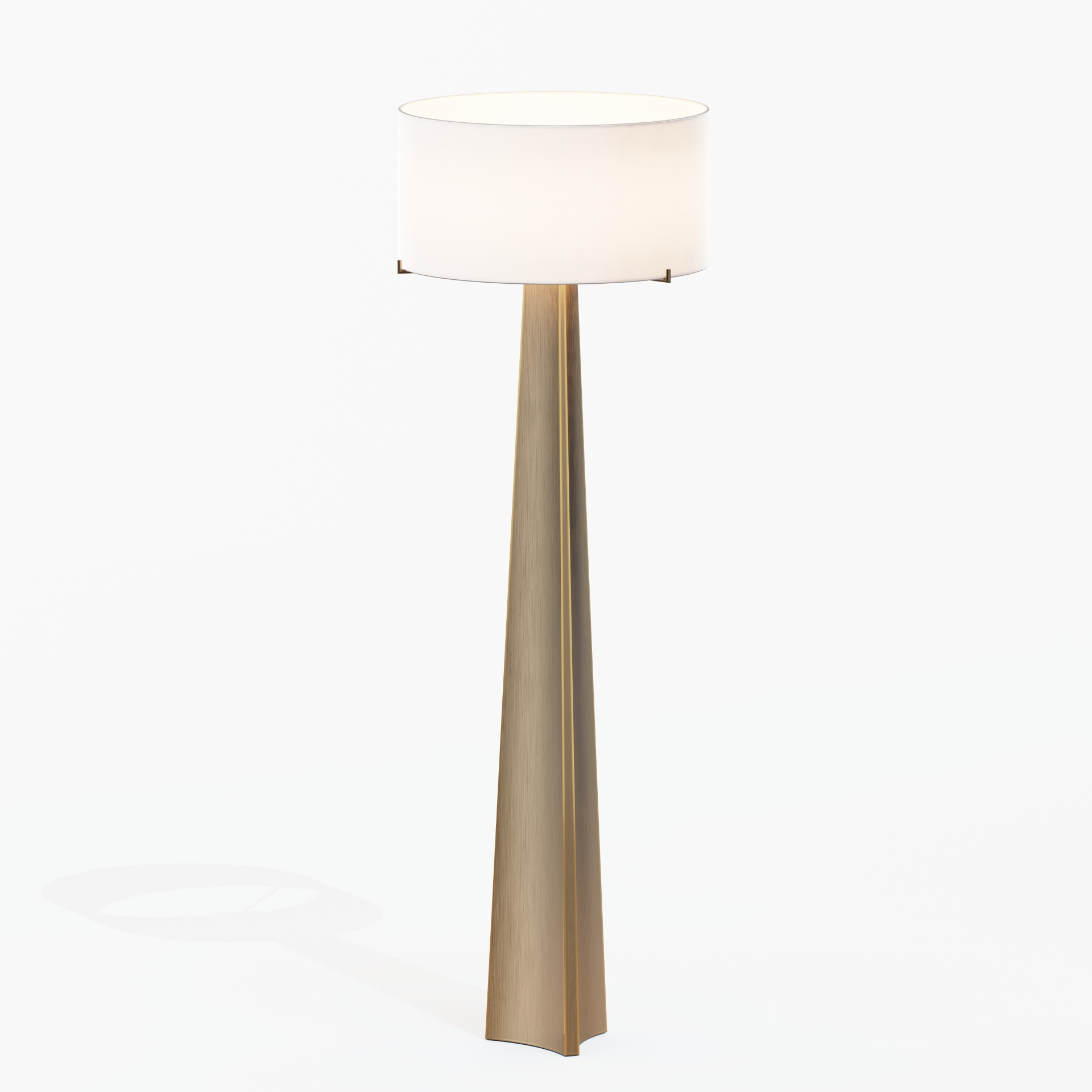
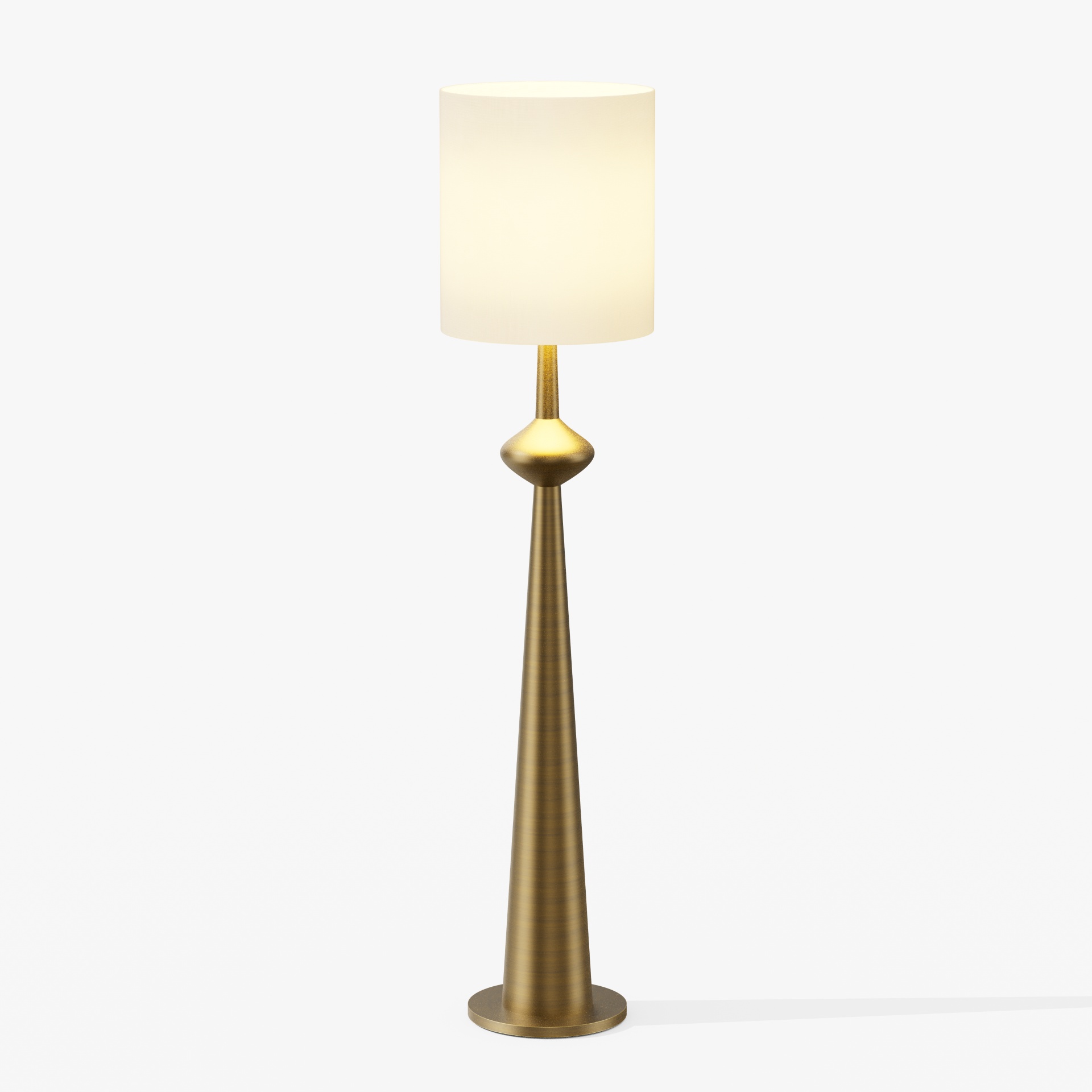
- The Material Choice: Floor lamps between 58 and 64 inches tall feel the most natural beside standard sofas. Linen shades and textured fabric shades usually create a softer atmosphere than exposed bulbs, particularly against darker wall finishes or walnut-toned furniture at night.
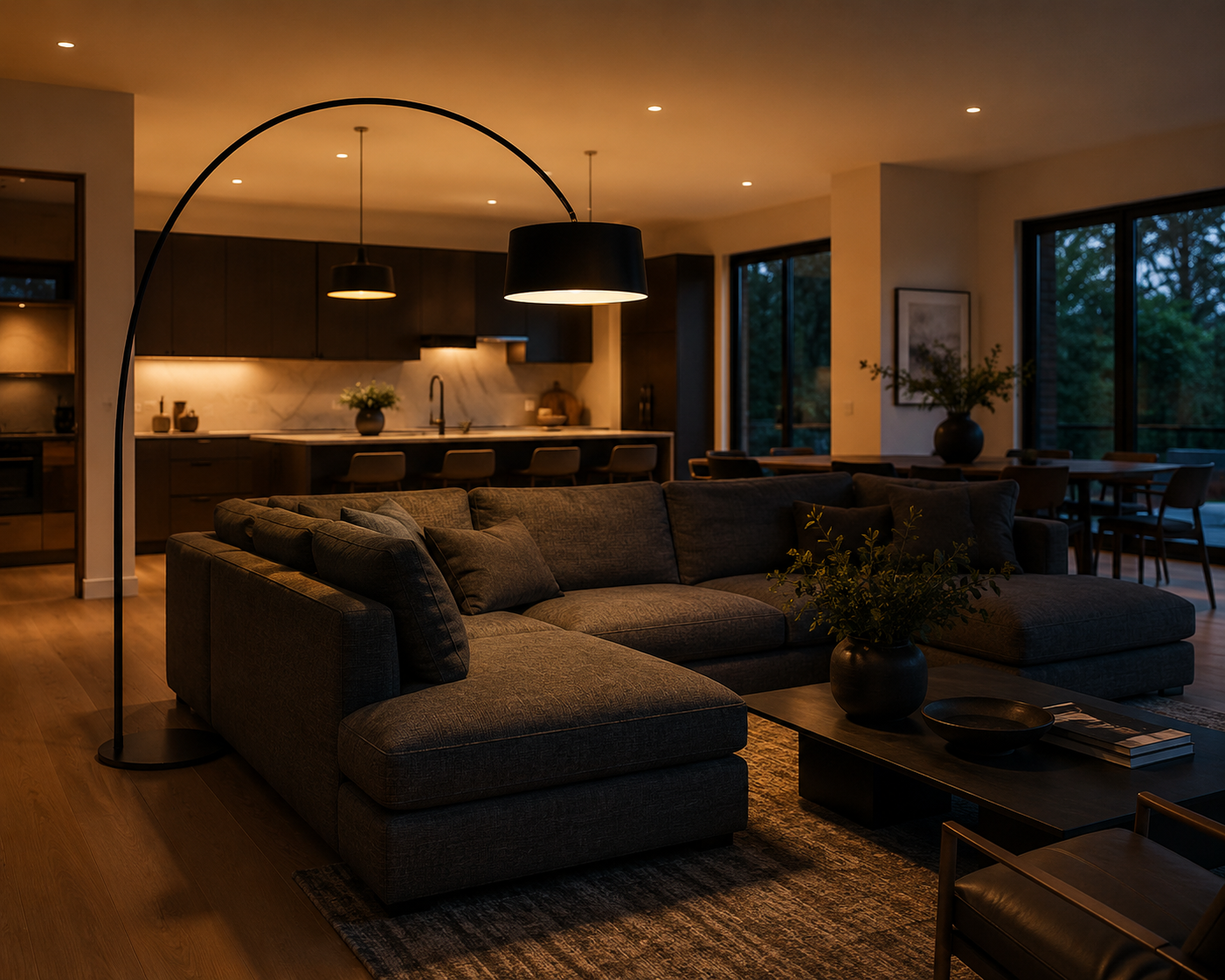
2. Place a Floor Lamp Behind the Couch
This layout appears constantly in modern interiors because it solves several problems at once. It works especially well in open-concept homes, sectional layouts, apartments with limited side table space, and larger living rooms.
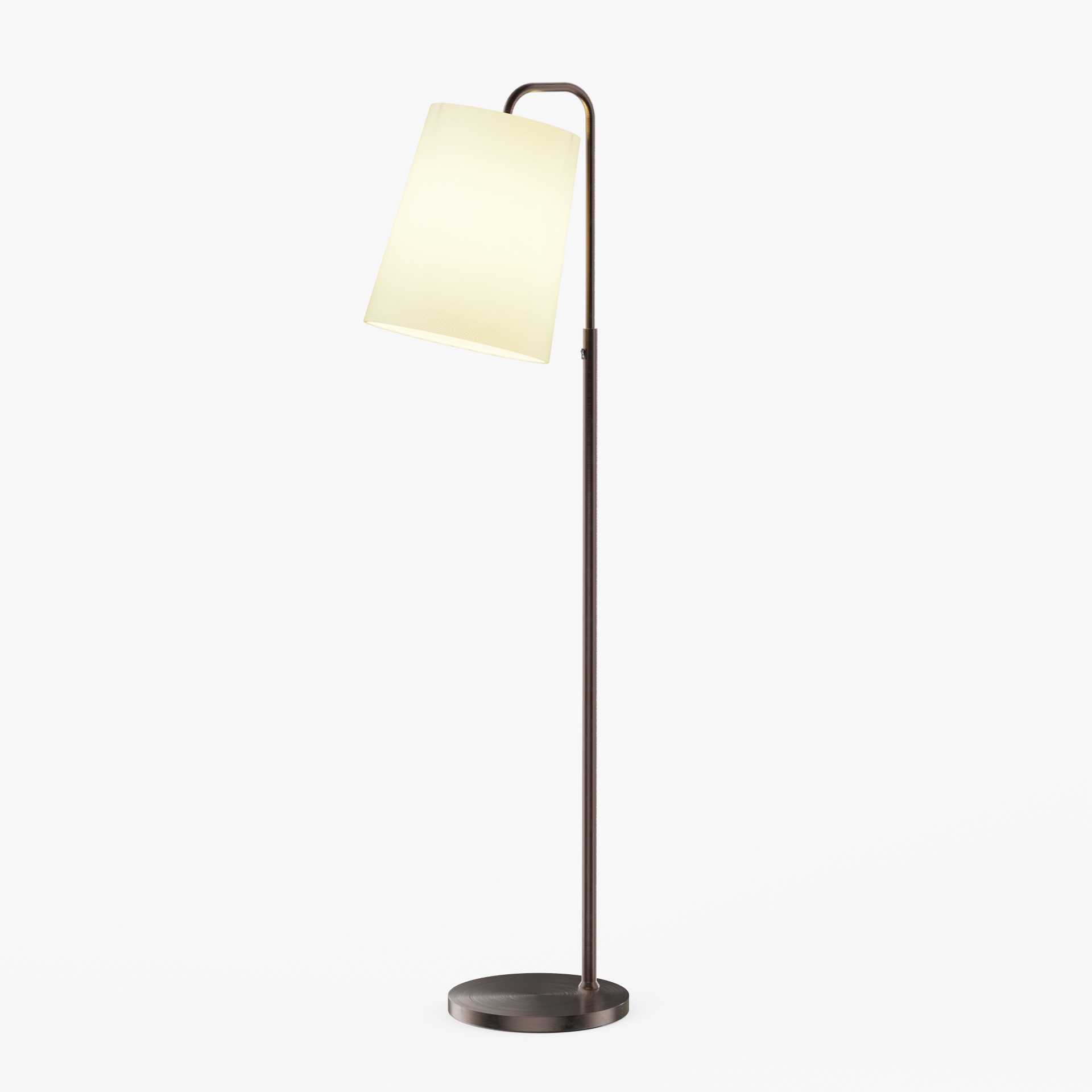
- The Pro Fixture: Arc floor lamps are especially effective here. The curved arm allows light to extend over the sofa while the base stays tucked quietly behind the furniture. The layout feels cleaner, and the lighting feels naturally integrated into the seating arrangement.
- Placement Tip: Keep the lamp roughly 12–18 inches behind the sofa, avoid exposed bulbs facing directly toward seating, and leave natural walkways completely unobstructed.
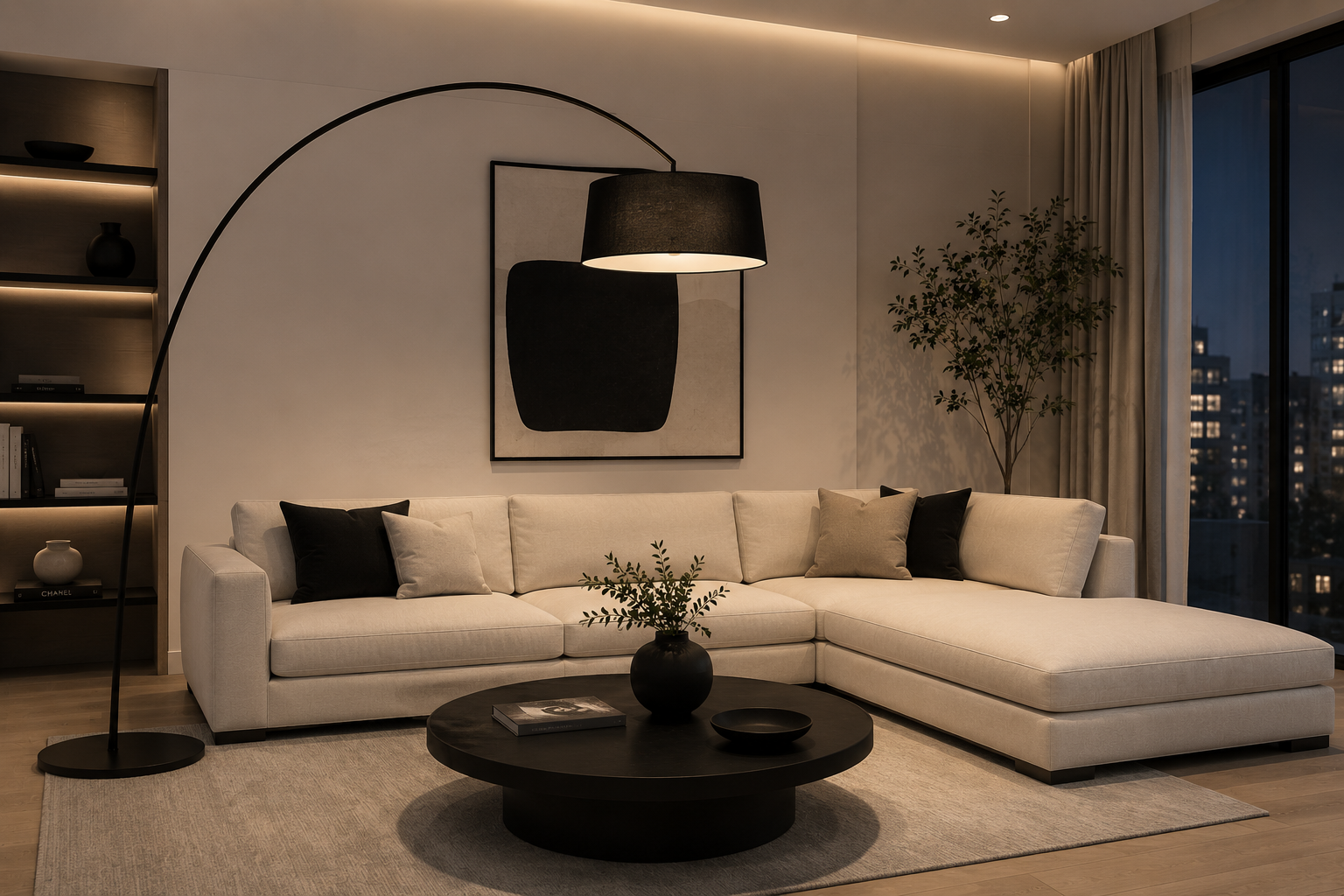
3. Use Floor Lamps to Break Up Large Sectional Layouts
Large sectionals absorb light. This becomes much more noticeable at night, especially with darker upholstery, textured fabrics, or oversized L-shaped layouts. Corners become shadowed, and the room starts losing depth.
- Behind the Corner Section: Placing an arc lamp behind the corner section of the sofa allows the light to spread naturally toward the center of the arrangement.
- Beside the Chaise Section: Placing a slimmer floor lamp beside the chaise section creates a quieter reading corner within the larger layout.
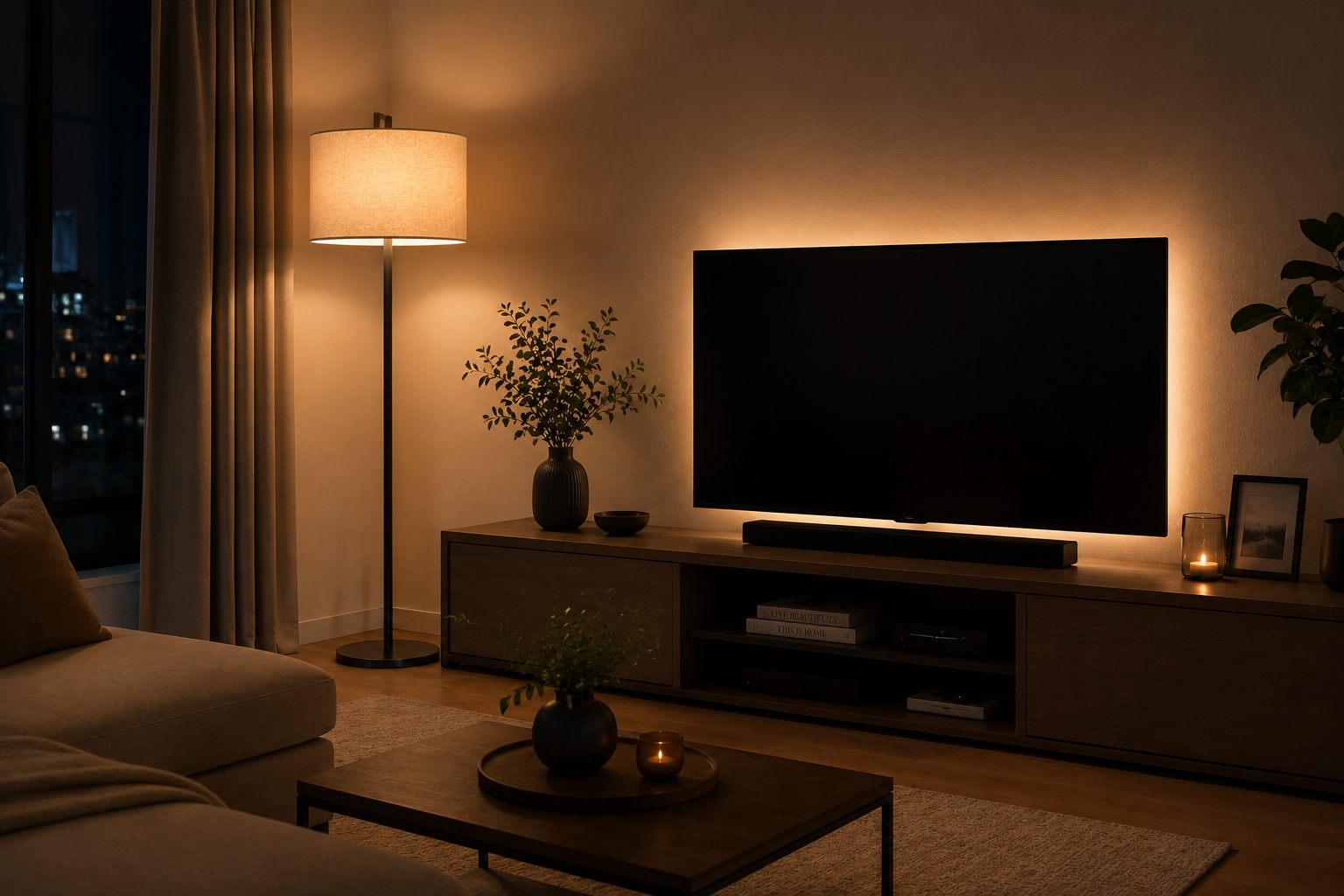
4. Is a Floor Lamp Next to the TV a Good Idea?
Usually, yes. When positioned correctly, a floor lamp beside the television often makes a living room feel significantly more comfortable at night. Designers refer to this as bias lighting — softer illumination surrounding the television area that reduces the contrast between a bright screen and a dark room.
Without surrounding light, the eyes constantly shift between extremes of brightness and darkness, leading to eye strain over longer viewing periods.
- The Setup: Place the lamp slightly behind the television plane, keep it roughly 4–6 feet from the screen, use warm bulbs around 2700K–3000K, and avoid exposed bulbs reflecting directly onto the TV console.
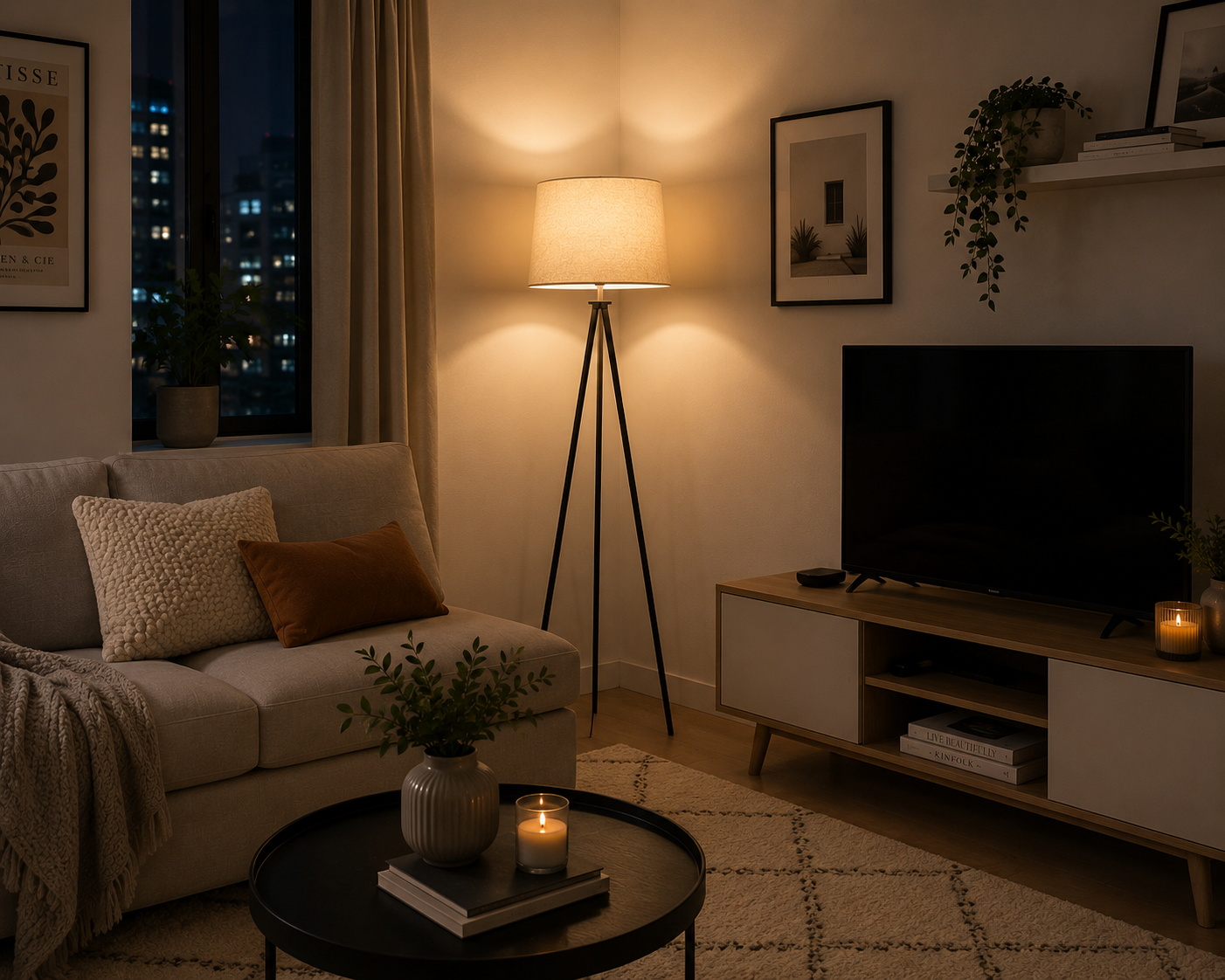
5. Brighten Dark Corners to Make the Room Feel More Open
Dark corners quietly affect how spacious a room feels. Even larger living rooms can begin feeling visually smaller once sections of the room disappear into shadow at night.
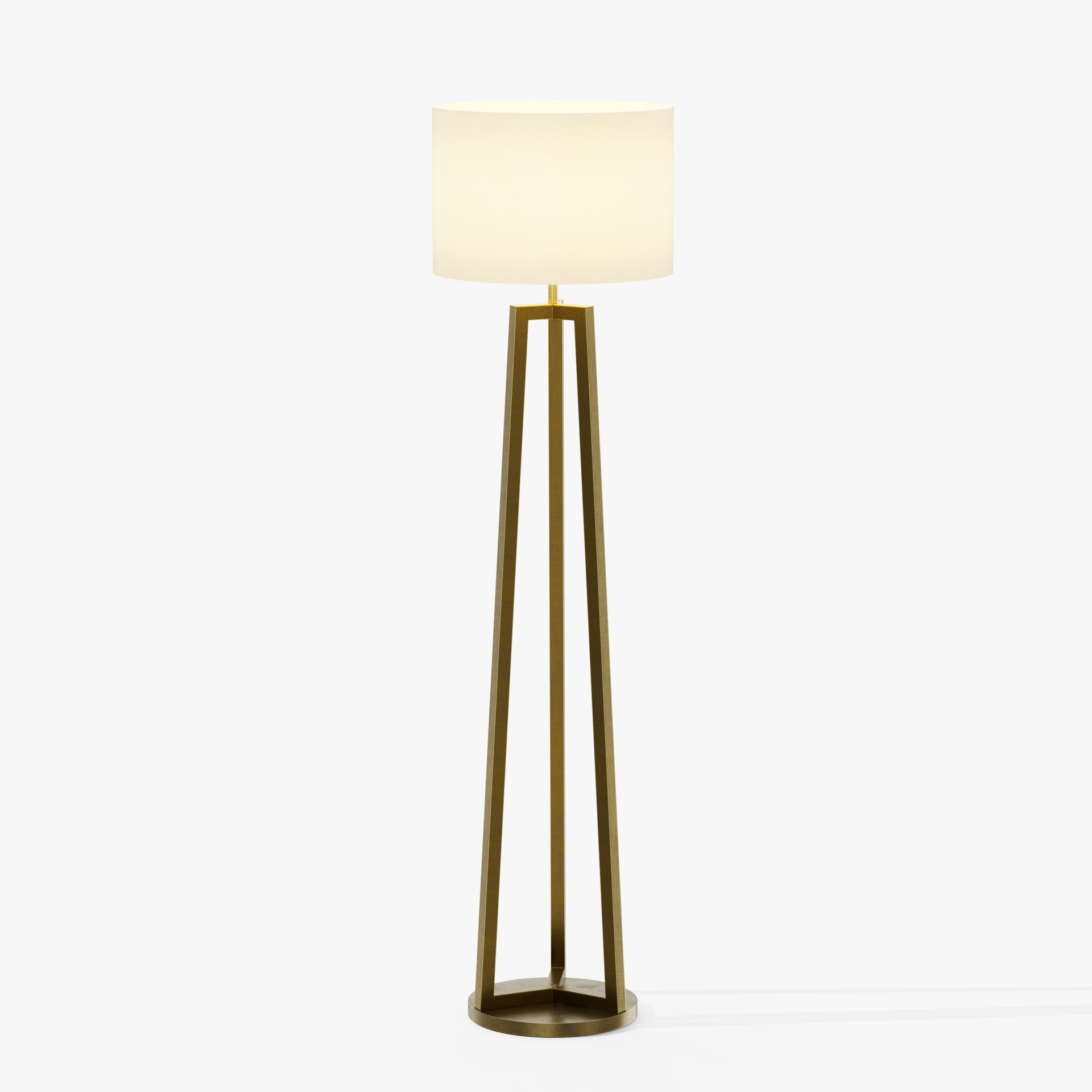
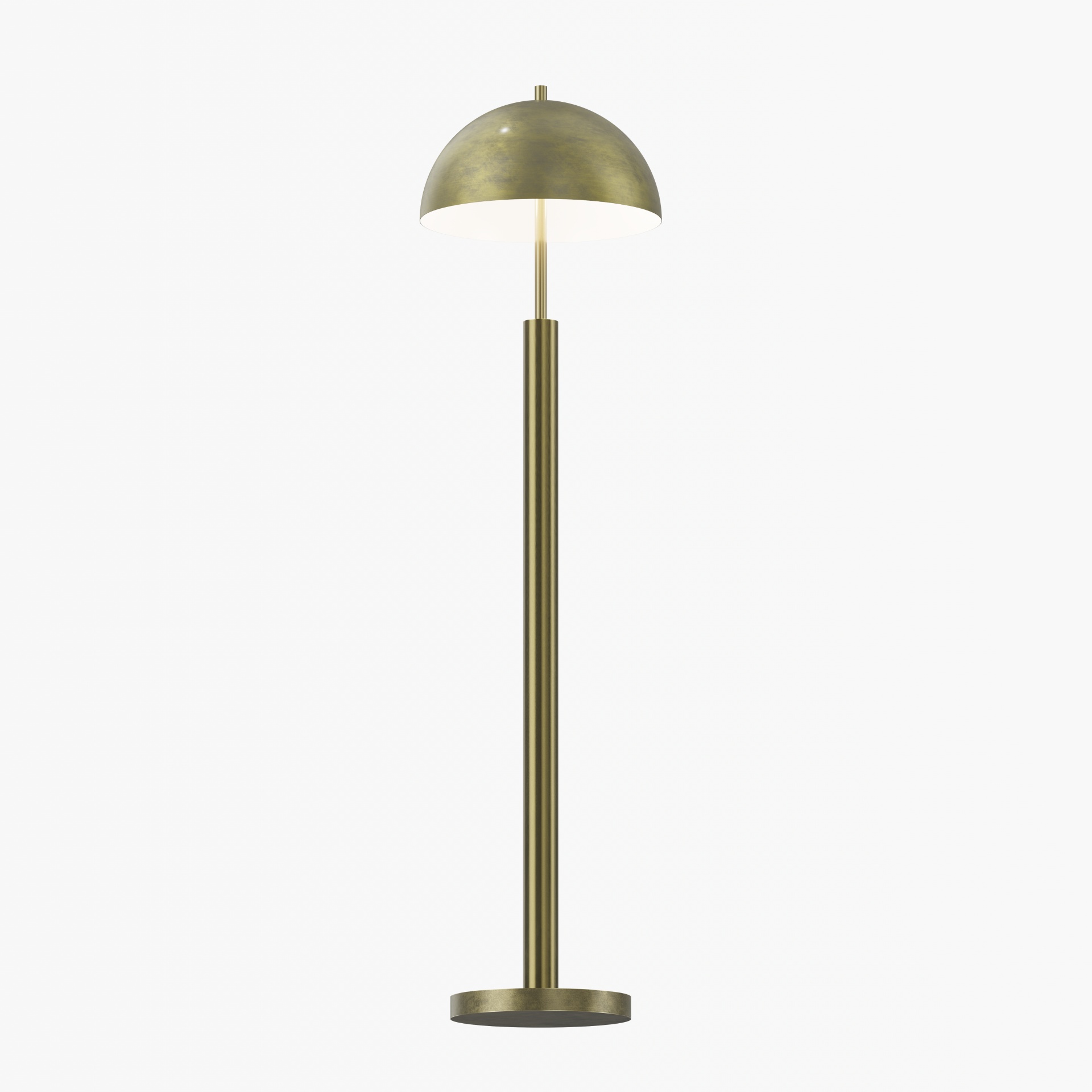
- The Design Choice: Introduce a softer secondary light source into those darker areas. Tripod lamps, uplight floor lamps, and slimmer metal designs are commonly used because they add height without visually cluttering the room.
- The Insight: Sometimes a room feels smaller simply because too much of it disappears after sunset. A small layer of light in the right corner can quietly change the entire balance of the room.
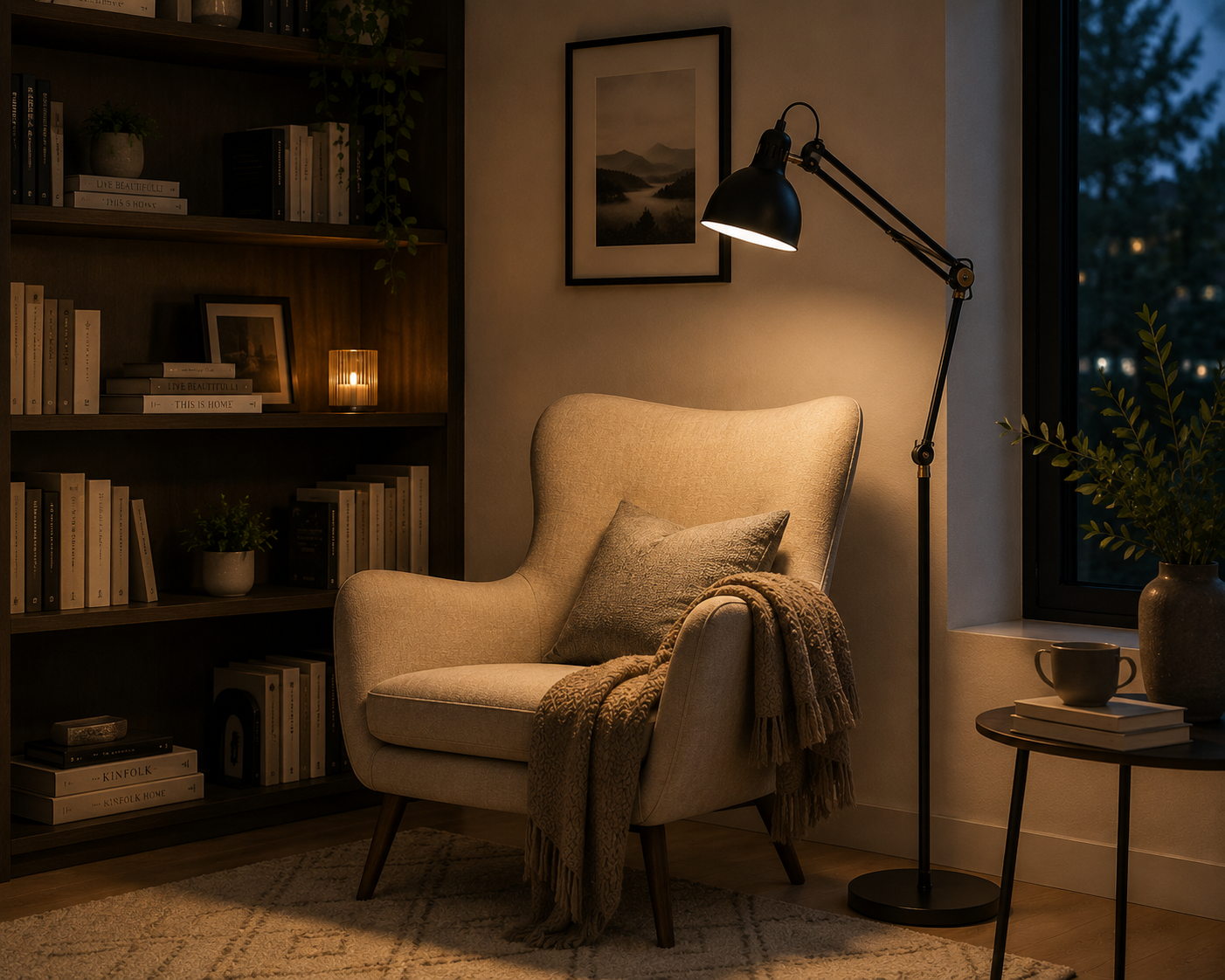
6. Create a More Comfortable Reading Corner
Reading corners should feel calm rather than intensely illuminated. One reason many reading setups feel uncomfortable is because the lighting is either too harsh or positioned incorrectly beside the chair.
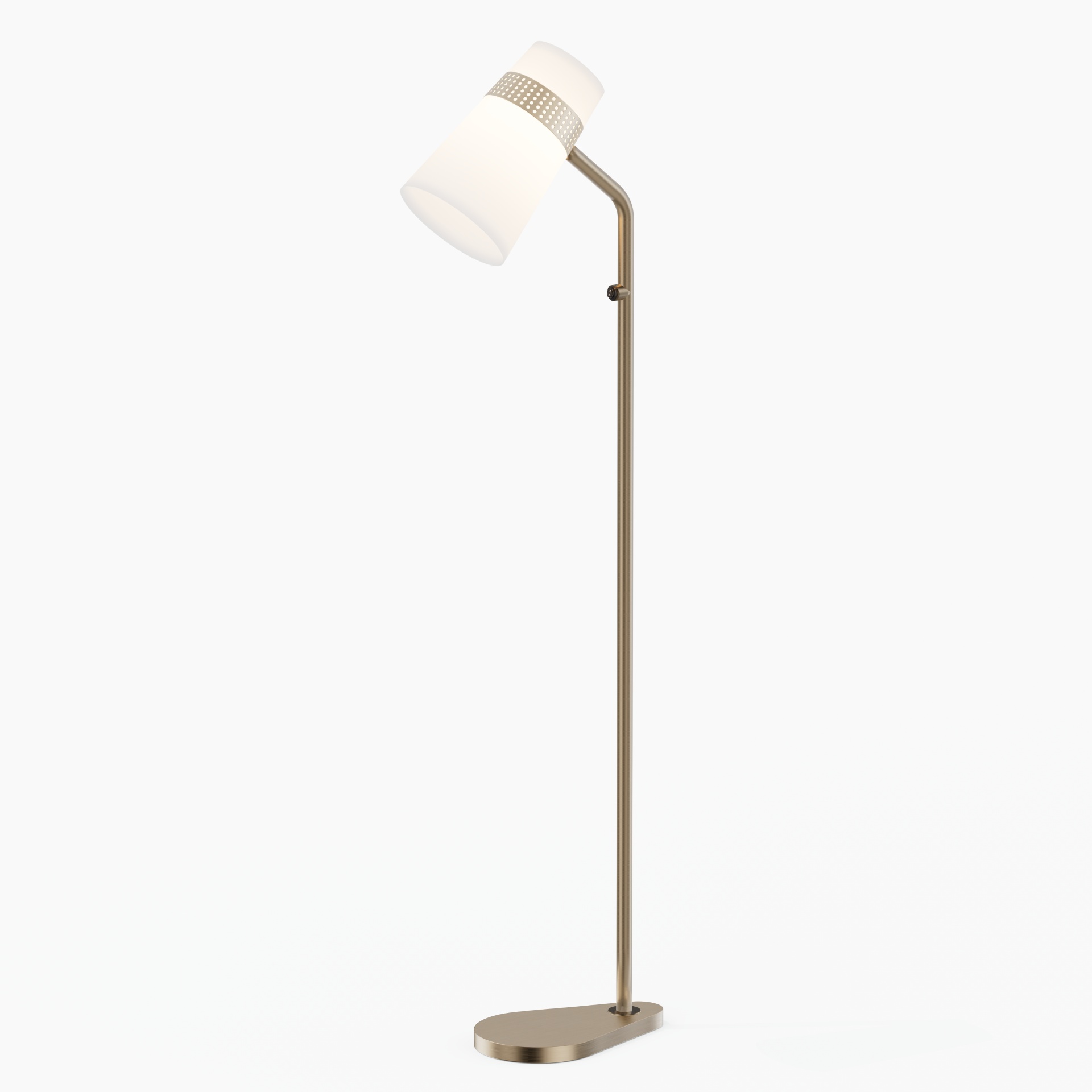
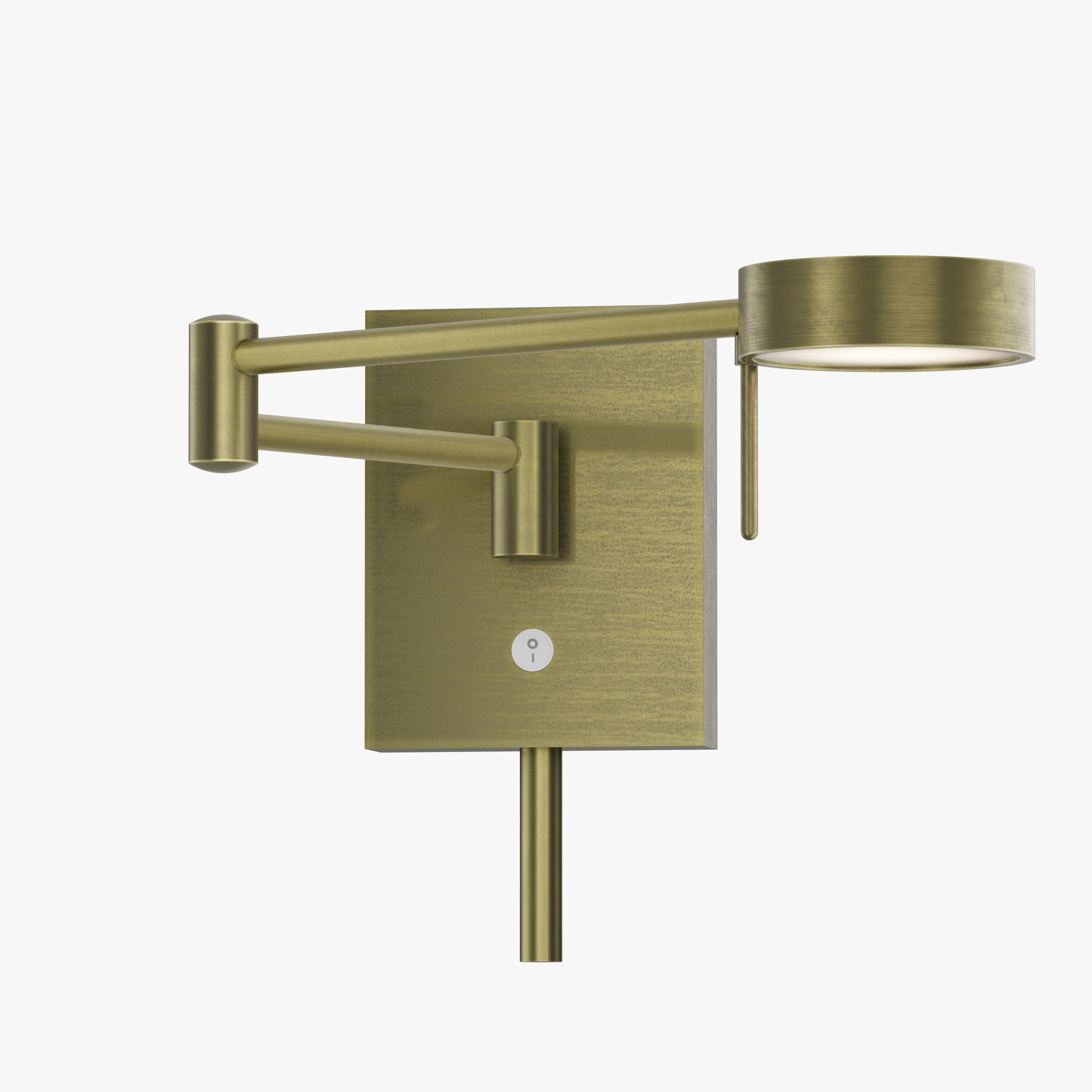
- How to Position: Place the lamp slightly behind the chair, position it beside the dominant reading hand, and avoid exposed bulbs near eye level. Adjustable or pharmacy-style floor lamps are especially useful here.
- Brightness Rule: Most reading corners feel comfortable between 400 and 800 lumens. Anything significantly brighter can begin overpowering the softer atmosphere in the surrounding room.
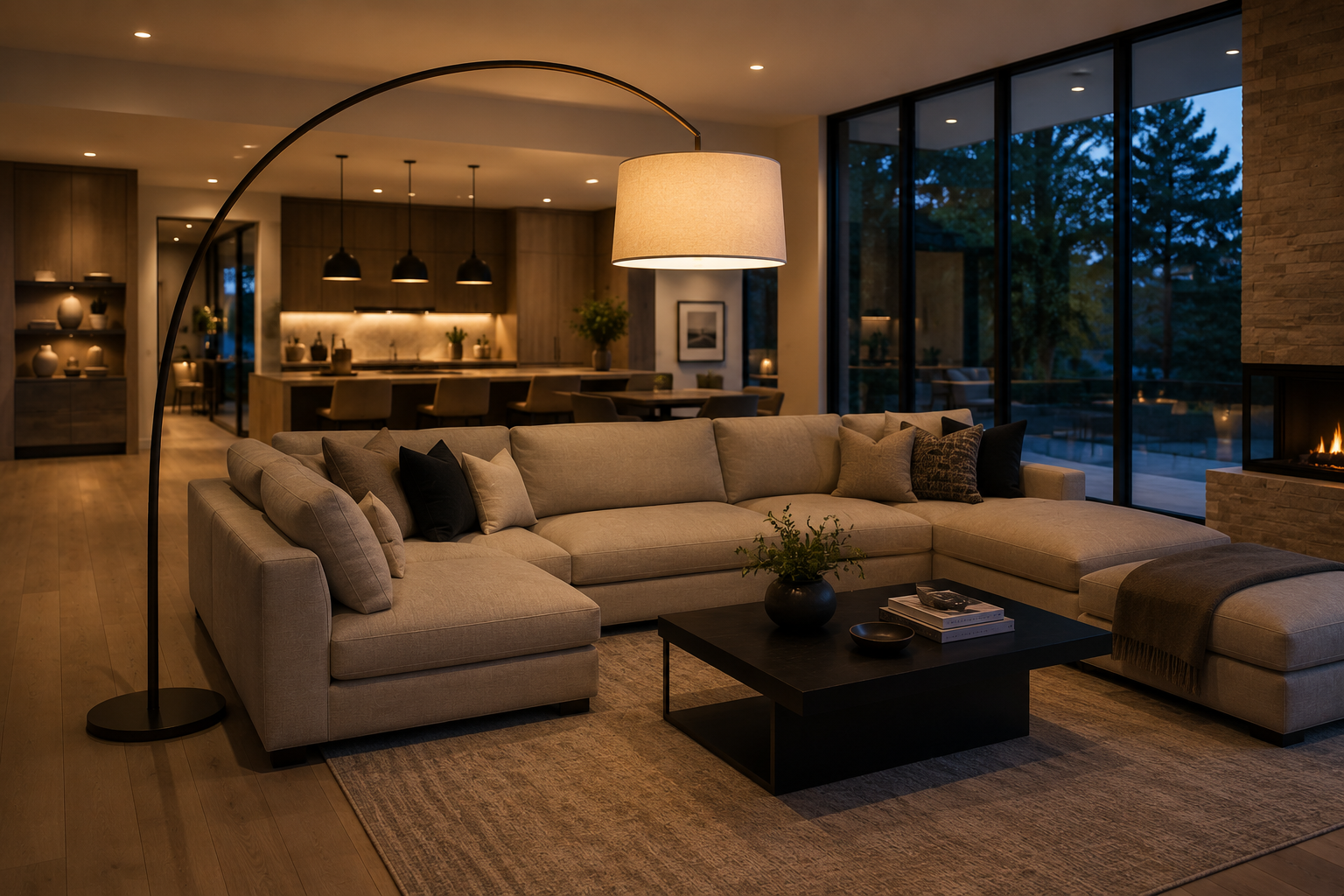
7. Use Arc Lamps in Open Living Room Layouts
Open-concept interiors often need lighting that visually connects larger areas without making the room feel crowded. Arc floor lamps work especially well because they spread light outward while maintaining a relatively clean footprint on the floor.
- The Architectural Line: Placed behind a sofa or extending over a coffee table, they visually anchor the seating arrangement. This becomes especially effective in rooms with lower contrast palettes, warm oak flooring, textured upholstery, stone coffee tables, or matte black accents where softer overhead curves help balance heavier horizontal furniture lines.
Why Layered Lighting Feels More Comfortable Than One Bright Ceiling Light
The most comfortable living rooms rarely depend on a single bright overhead source. Instead, lighting is layered gradually throughout the room so brightness feels softer and more natural after sunset.
👉Layer 1: Ambient Lighting (The Foundation)
Ambient lighting provides the overall illumination throughout the room. Examples include recessed lighting, ceiling fixtures, and torchiere lamps. Most living rooms feel more comfortable when ambient lighting stays within the 2700K–3000K range—cool daylight bulbs often feel too clinical in residential interiors at night, especially against warmer wood tones or softer fabric textures.
👉 Layer 2: Task Lighting (The Function)
Task lighting supports focused activities such as reading, working, or hobbies. Floor lamps beside sofas and lounge chairs are one of the most common forms of task lighting in modern living rooms because they provide localized brightness without overpowering the surrounding atmosphere.
👉 Layer 3: Accent Lighting (The Depth)
Accent lighting adds softness, depth, and visual separation throughout the space. Examples include decorative floor lamps, wall sconces, shelf lighting, picture lighting, and low indirect lighting near media walls. Without it, spaces can sometimes feel functional but emotionally flat after dark.
Common Floor Lamp Placement Mistakes to Avoid
- Placing the Lamp Too Low: This exposes the bulb directly at eye level and creates uncomfortable glare while seated.
- Blocking Natural Walkways: A floor lamp should feel integrated into the room layout, leaving at least 24–36 inches of walking path around it rather than becoming an obstacle.
- Ignoring Scale and Proportions: Oversized lamps can easily overwhelm smaller apartments, while very slim lamps often disappear visually beside large sectionals or visually heavier furniture arrangements.
- Depending Entirely on One Overhead Fixture: Living rooms usually feel far more comfortable when brightness is distributed gradually across multiple lower light sources instead of coming from a single bright point in the ceiling.
Final Thoughts
Good lighting rarely draws attention to itself immediately. Instead, the room simply feels calmer, softer, and more comfortable to spend time in. That usually comes from thoughtful placement rather than brightness alone.
Whether a floor lamp sits beside a sofa, behind a sectional, near the television, or beside a quiet reading chair, the goal is always the same — creating a living room that feels more comfortable after sunset.
At Minoze Lighting, we believe lighting should feel naturally connected to the space around it rather than overpowering the room itself. When positioned thoughtfully, even a single floor lamp can completely change how a living room feels at night.
👀 Looking for the Perfect Floor Lamp for Your Living Room Layout?
Explore the latest hospitality-inspired and contemporary collections from Minoze Lighting or connect with our lighting design specialists today for a personalized recommendation based on your unique furniture layout and aesthetic goals.