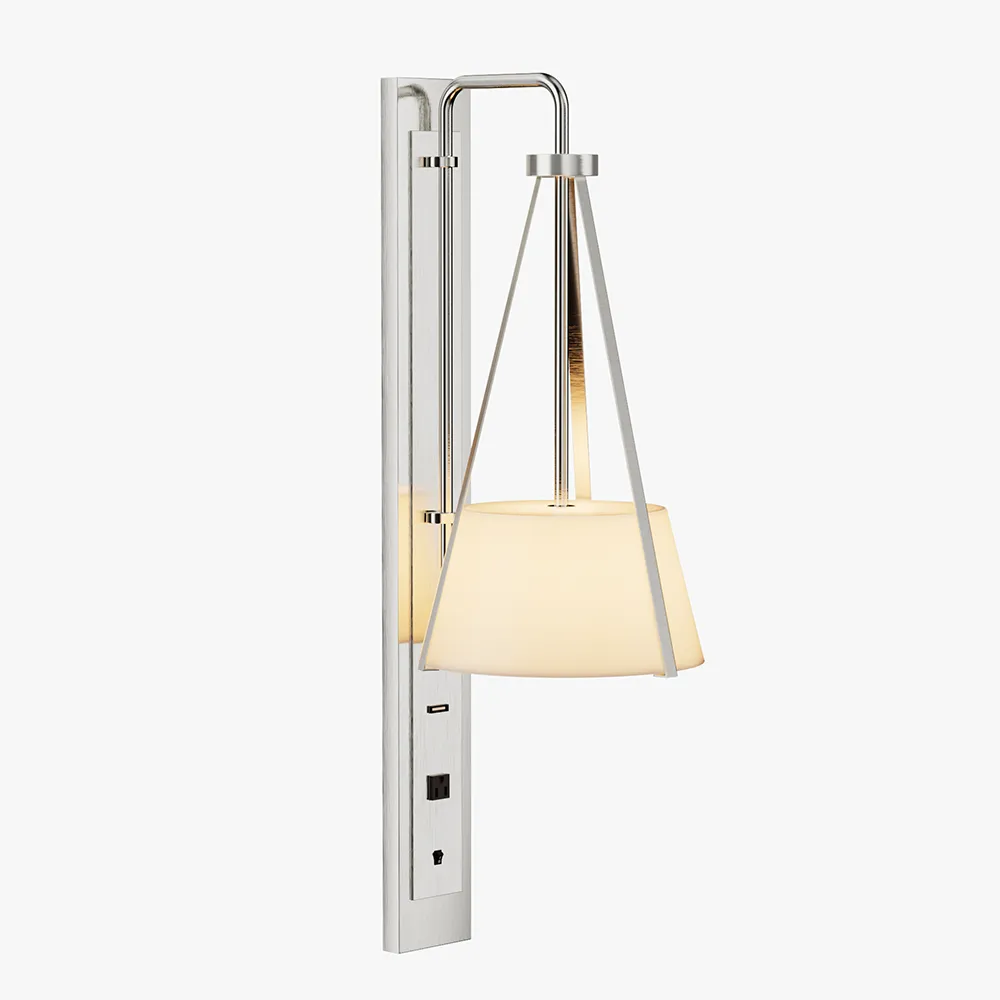
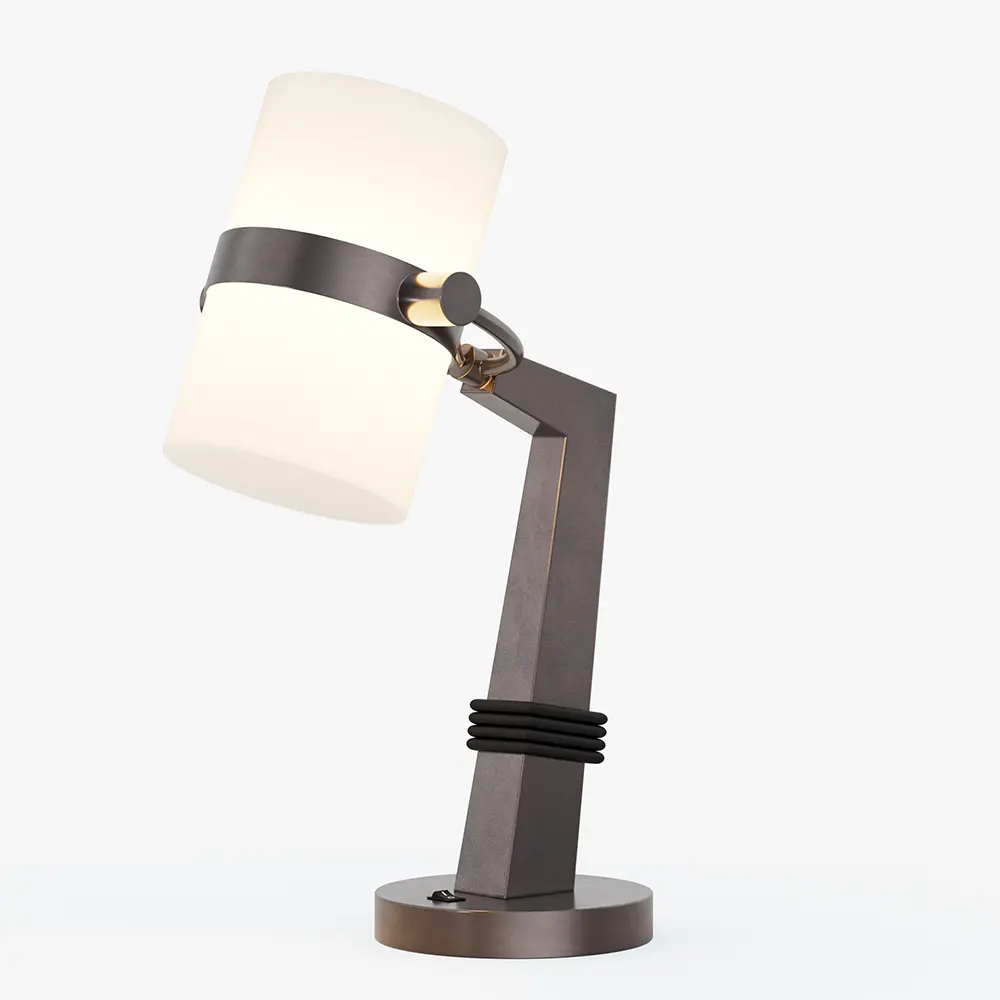
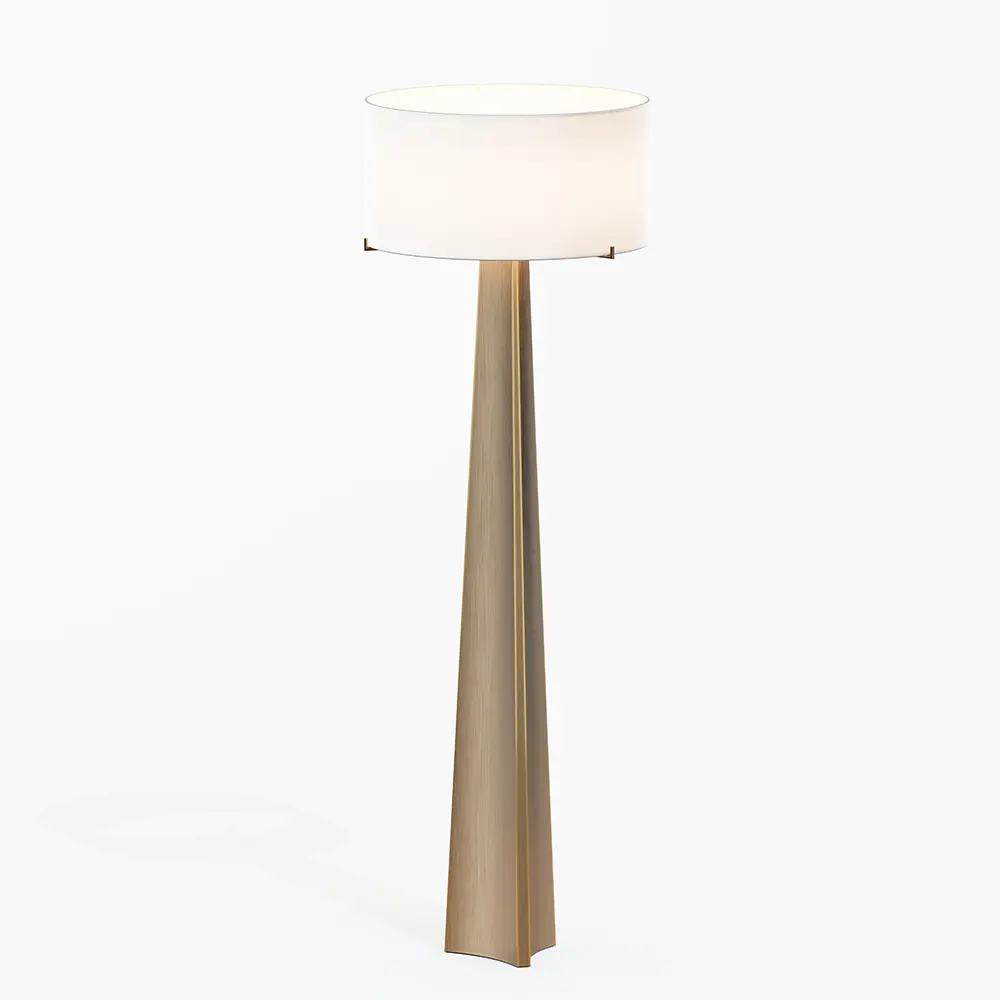
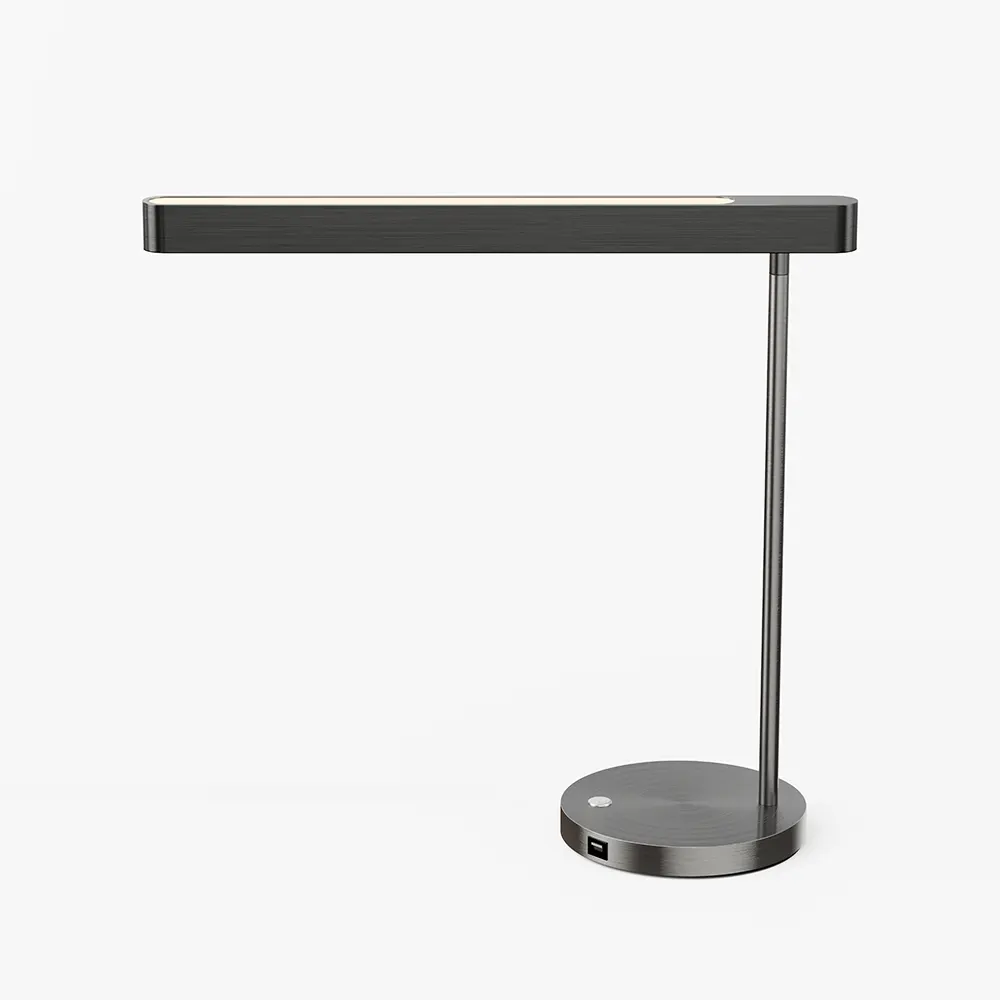
What Does UL Listed Mean for Lighting? Why Hotels Care About It
A hotel lighting fixture can pass the mock-up review, enter production, and still get stopped before installation because of one certification mismatch. In hospitality projects, UL Listed lighting affects far more than electrical safety. It affects approvals, scheduling, inspections, and whether guestrooms can open on time.
What Does UL Listed Mean for Lighting? Why Hotels Care About It
A hotel project can run smoothly for months and then suddenly grind to a halt. Most of the time, the delay is not caused by furniture, flooring, or millwork.
It is caused by the lighting certification.
Hotel guests never notice whether a bedside lamp is UL Listed. But contractors, site inspectors, and electrical consultants check it very early. In commercial projects, decorative lighting is part of the building’s electrical infrastructure. It must pass strict safety reviews and field inspections before anyone can install it.
A fixture can look perfect in a mock-up room and still create huge problems during mass production. This happens more often than many developers realize.
At Minoze Lighting, we often see projects where guestroom fixtures are approved early in the design phase. Weeks later, however, the site contractor realizes the production units do not match the original certification paperwork.
The issue rarely starts with a massive product failure. The sample works perfectly, and it looks exactly the way the designer intended. The real problem surfaces later, when the contractor reviews the project submittals line by line.
A few minor changes can quickly mess up your paperwork:
- The dimming driver brand was changed due to supply shortages.
- USB-C charging ports were added to the base after the initial review.
- A factory engineering change altered the internal wiring path.
By the time someone catches these mismatches, the guestrooms are already being drywalled. Procurement is tracking containers, the contractor is withholding installation permits, and site teams are re-scheduling workers. Meanwhile, the hotel’s opening date stays exactly where it is.
A minor paperwork mismatch quickly turns into a very expensive delay.
What Does UL Listed Mean for Lighting?
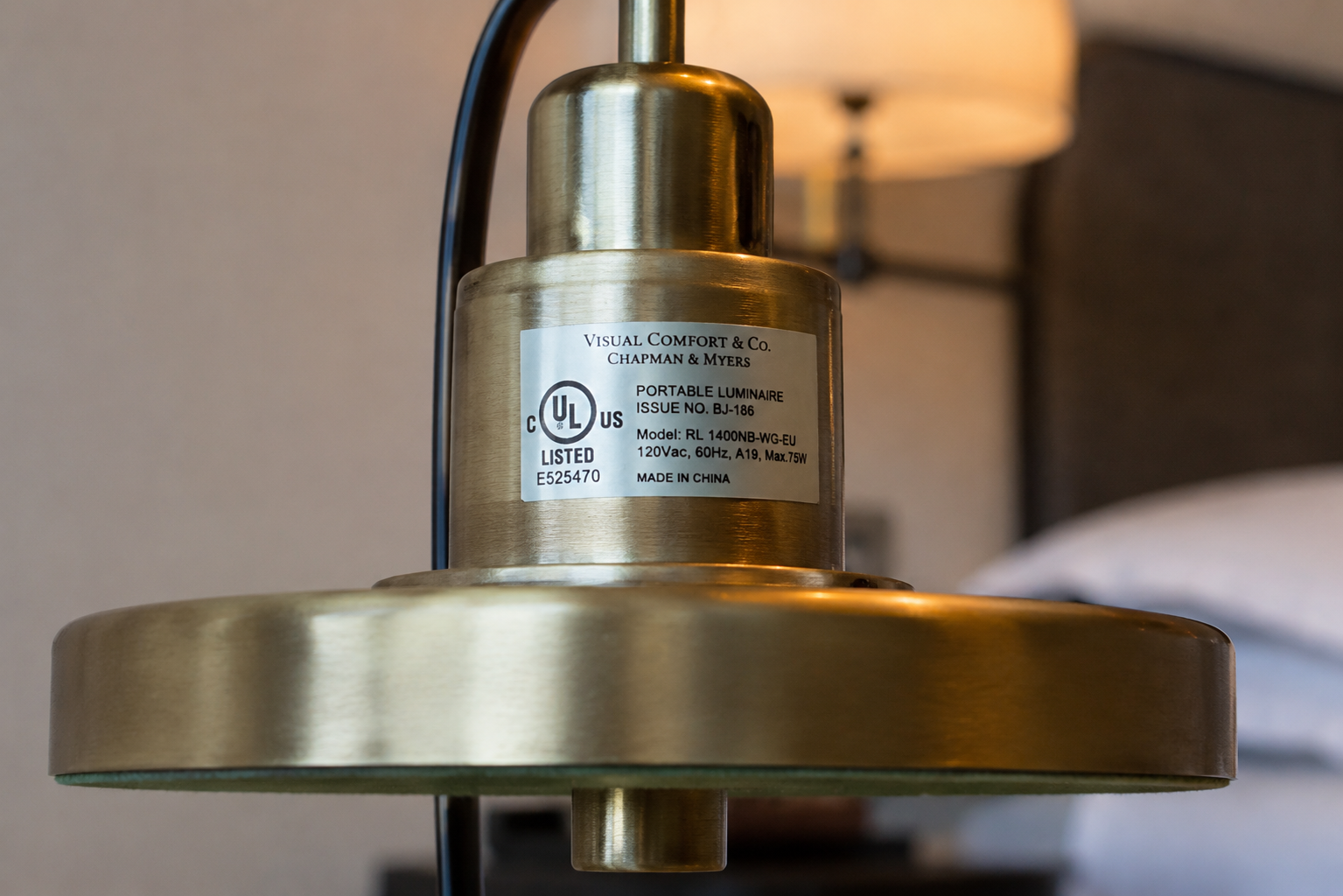
In U.S. commercial construction, UL Listing is a baseline requirement for electrical safety. When a lighting fixture is UL Listed, it means Underwriters Laboratories has tested the finished product. They verify that it meets strict national safety standards for its intended use.
For hospitality lighting, this testing covers four critical areas:
- Wiring and grounding: Ensuring the product will not shock anyone.
- Sockets and insulation: Checking components under daily wear and tear.
- Heat resistance: Making sure the lamp stays cool during extended use.
- Electrical stability: Verifying the fixture can handle voltage changes.
If the product passes, it receives an official UL Listed mark for that specific category (such as portable lamps or fixed wall fixtures).
On paper, this process sounds simple. In real hotel projects, it is not. Certification is not just a safety mark; it is an administrative passport. If your paperwork lags behind the physical product, the fixture will be rejected during submittal reviews or local field inspections.
Why Hotels Pay So Much Attention to UL Listed Lighting
Residential and commercial projects follow completely different rules. A decorative lamp in a private home only needs the homeowner’s approval. In a hotel development, that exact same fixture must clear a long chain of reviews:
- Interior Designers: Check aesthetics and scale.
- Procurement Agencies: Manage budgets and delivery dates.
- Contractors & Consultants: Review technical data sheets and wiring layouts.
- Brand Standards Teams: Ensure the fixture matches corporate hotel rules.
- Local Code Inspectors: Sign off on occupancy permits.
Because lighting submittals are reviewed alongside electrical drawings and ceiling plans, a certification problem never stays isolated. One unresolved fixture issue can quickly stall multiple trades on site.
We have managed projects where a mock-up room was approved, but the driver needed a change during production to match the site's dimming system. The physical fixture looked identical, but the paperwork was different.
The moment the contractor saw the documents did not match, they halted approvals. Instantly, procurement had to pause production, and site teams had to delay their rough-in work. Reopening electrical details two weeks before guestroom installation is a nightmare every project manager wants to avoid.
Why Some Lighting Fixtures Fail Hotel Approval
A common mistake among buyers is thinking that lighting compliance can be "sorted out" right before shipping. In reality, most compliance failures are built into the fixtures during the early engineering phase.
The most frequent reasons a fixture fails inspection include:
- Using uncertified or cheap LED drivers.
- Incorrect voltage setups (such as failing to plan for commercial 277V systems).
- Modified internal wiring layouts that lack proper insulation.
- Incompatibilities between the fixture driver and the hotel's dimming system.
- Expired or mismatched factory certification files.
This is very common in custom hospitality lighting because designs change constantly. A designer adjusts a metal finish, procurement asks for a lower-cost part, or the owner decides to add smart-control compatibility midway through sampling.
While the physical sample still lights up and looks fine, the safety certification may no longer be valid. If the supplier fails to update the master UL file, the discrepancy will surface during the final submittal check—right when the project timeline is under the most pressure.
The Late-Stage Production Trap
A recurring issue in hotel scheduling is starting mass production before the final certification paperwork is locked down.
At this stage, metal fabrication is complete, components are paid for, and shipping slots are booked. If a contractor flags a mismatched specification sheet at this point, the project stalls. You are no longer dealing with a simple technical question; you are dealing with a logistical crisis.
UL Listed vs. UL Recognized: A Crucial Distinction
This point creates a lot of confusion during procurement. A fixture that contains UL Recognized components is not the same as a UL Listed fixture.
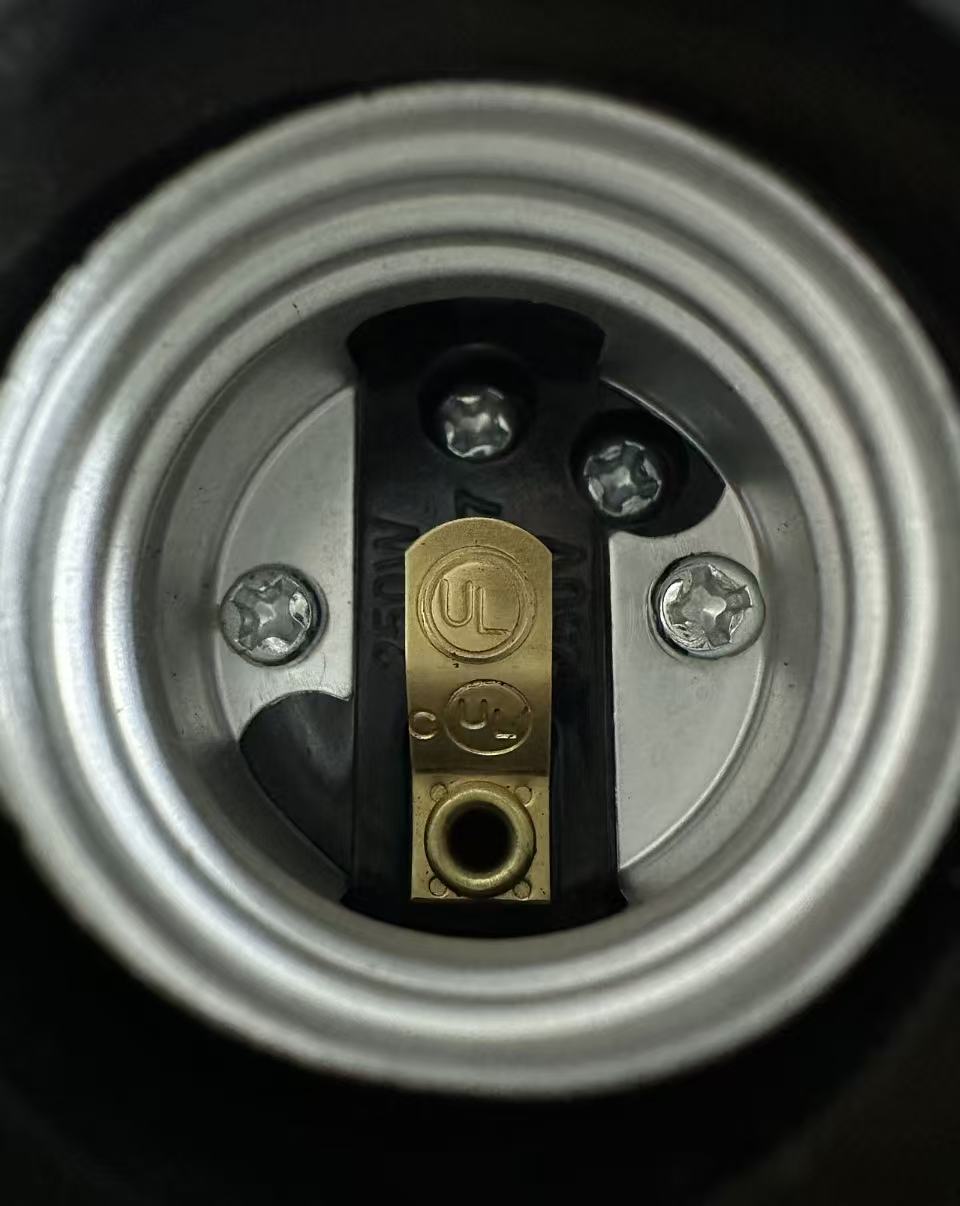
Individual parts like switches, sockets, and LED drivers are often UL Recognized (indicated by a reversed "RU" mark). This simply means the component is safe to use inside an assembly.
The Key Difference: Individual component recognition does not mean the final, fully assembled lamp is UL Listed as a finished product.
U.S. building inspectors look for the certification of the complete fixture. If a supplier builds a light fixture with UL components but lacks the overall product listing, the inspector can reject the installation. Replacing non-compliant fixtures after the guestrooms are built is incredibly disruptive and expensive.
UL Listed vs. ETL Listed Lighting
Buyers frequently ask whether an ETL Listed mark is acceptable instead of UL.
In the United States, both UL and ETL are Nationally Recognized Testing Laboratories (NRTLs). ETL tests products to the exact same safety standards as Underwriters Laboratories. From a legal and regulatory standpoint, they are completely equivalent.
However, certain global hotel brands or conservative ownership groups still explicitly write "UL Only" into their brand manuals. You must identify this requirement during the initial bidding phase, not after production has started
.
The Reality of Custom Hospitality Lighting
Custom hotel lighting involves constant coordination because hospitality designs are rarely static. Revisions routinely involve:
- Integrated LED arrays that require specific heat-sinking.
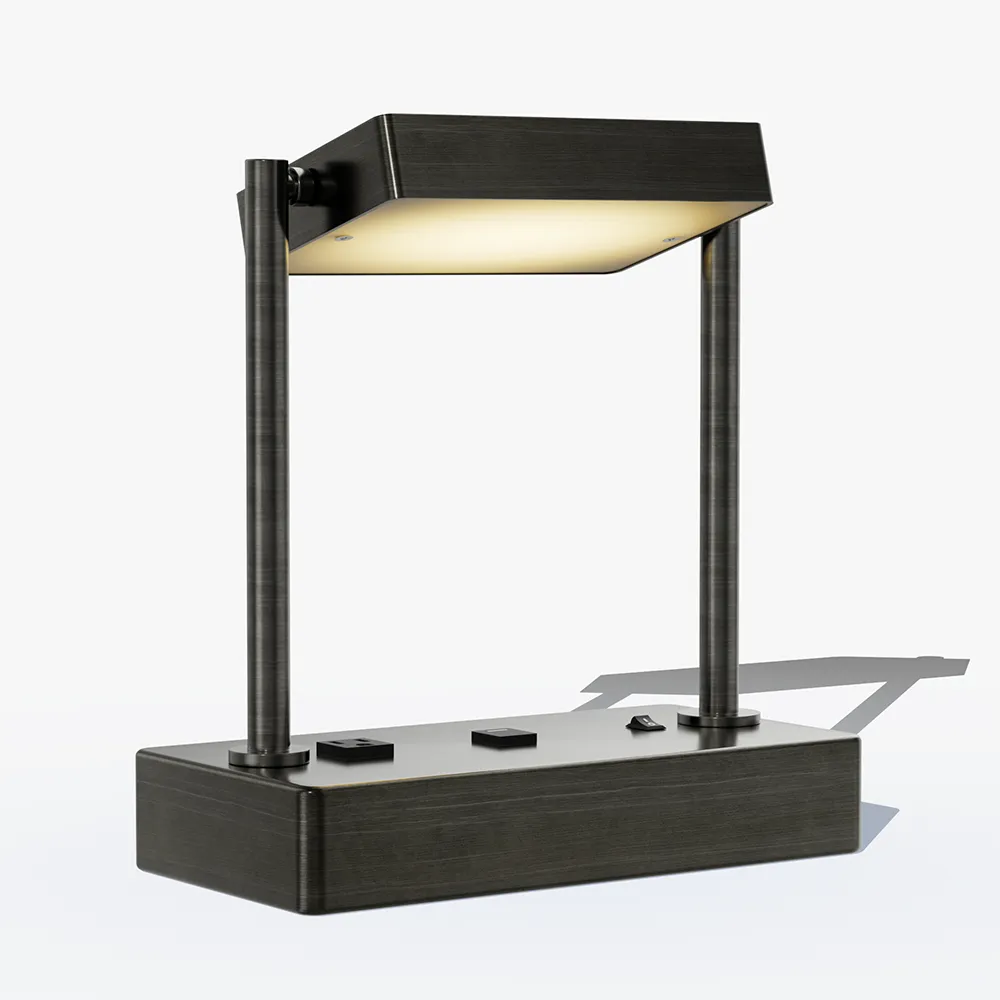
- Built-in USB-A and USB-C charging ports in lamp bases.
- Complex hospitality dimming and property management interfaces.
- Oversized fixtures that require specialized mounting hardware.
Every structural or electrical change alters the fixture's compliance profile. If a procurement firm changes a driver to save money, the safety files must be updated immediately.
At Minoze Lighting, we connect our certification tracking directly with our engineering department. If a driver is updated or a charging port is added during sampling, the compliance documents are revised at the exact same time. Resolving these technical details early prevents submittal rejections when the project moves to the field.
FAQ: UL Listed Lighting for Hotels
Does every hotel light fixture need to be UL Listed?
Not legally in every single city, but practically yes. In most U.S. hotel projects, any decorative fixture installed in guestrooms or public spaces must carry a safety mark (like UL or ETL) to pass field inspections.
Can a fixture use UL Recognized parts without being UL Listed?
Yes. A factory can build a lamp using a UL Recognized driver and UL sockets. However, if the final assembled fixture has not been tested as a complete unit, it is not UL Listed. Inspectors look for the mark on the finished assembly.
What happens if lighting certification documents do not match production?
The contractor will reject the submittal package and freeze installation. If the issue is caught on site, electricians will refuse to hang the lamps. This delays the project and creates extra labor costs.
Is ETL certification accepted for hotel lighting projects?
Yes. Both UL and ETL test to the exact same national safety standards. However, some luxury hotel brands still require UL specifically in their corporate guidelines. Always check this before bidding.
Why do certification issues usually appear so late in hotel projects?
Because hotel designs change constantly. Drivers, dimming systems, and charging ports often change after the mock-up stage. If the supplier fails to update the paperwork at the same time, the mismatch will surface during the final contractor review.
Can custom hotel lighting still be UL Listed?
Yes, but it requires a supplier with strong engineering coordination. Because custom lighting has no standard blueprint, every modification changes its compliance status. Documentation must be tracked throughout the project.
Why do contractors care so much about UL Listed lighting?
Because it affects their liability and schedule. If a contractor installs non-certified fixtures, they take on full liability for electrical failures. If an inspector flags unlisted fixtures, the contractor must tear them out on their own dime.
Conclusion
A UL Listed mark is more than a safety label. In hotel projects, it is a vital project management tool. Certification problems rarely appear at the beginning of a project when timelines are flexible. They appear at the end—when guestrooms are under construction and deadlines are approaching fast.
Experienced suppliers do not treat certification as final paperwork to handle at shipment. It is an active part of product engineering. For a hotel project to finish on schedule, design, procurement, engineering, and compliance must move forward together