
Hotel Guest Room Lighting: Design, Specifications, and Procurement Guide for Hospitality Projects
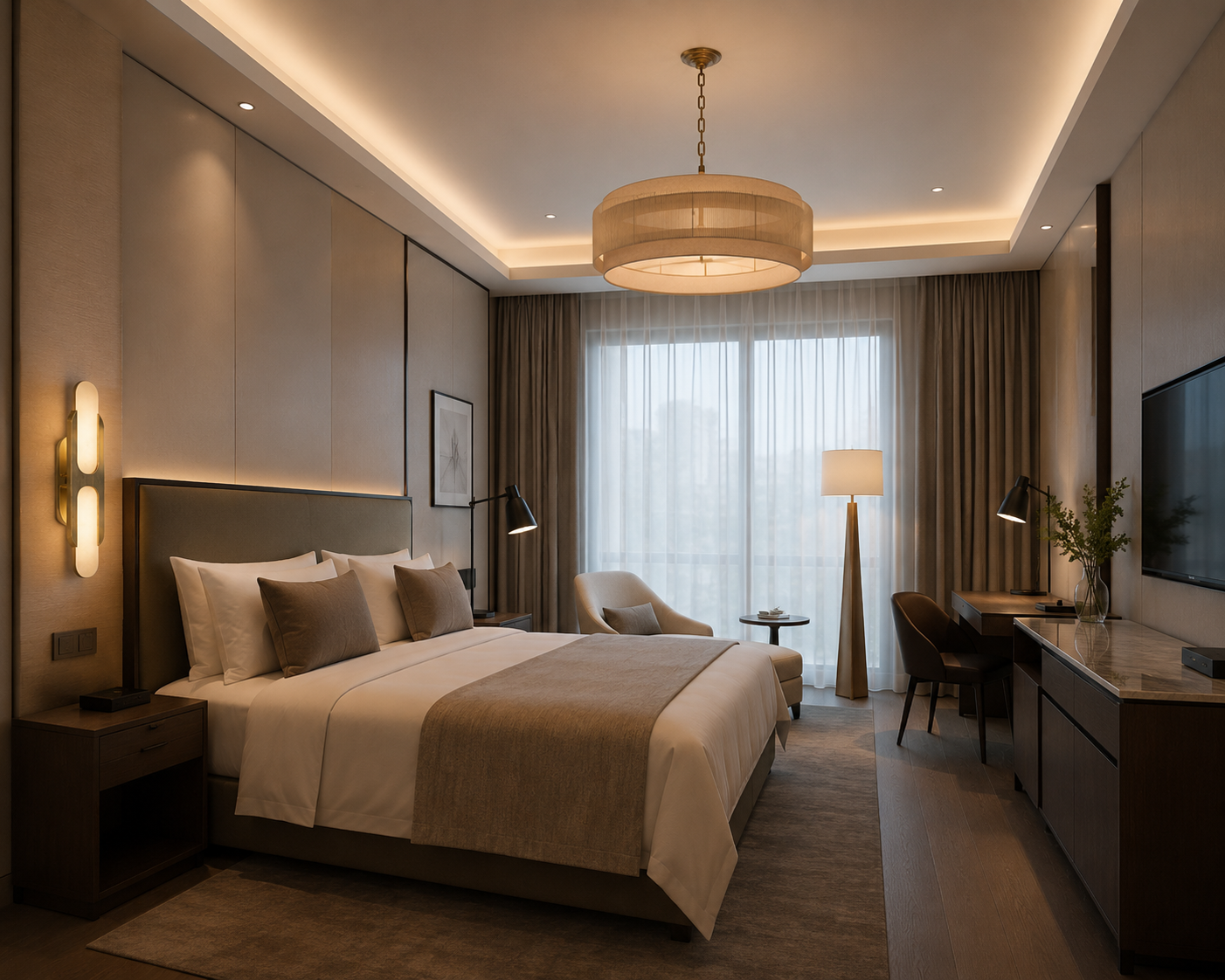
Hotel Guest Room Lighting: Design, Specifications, and Procurement Guide for Hospitality Projects
Hotel Guest Room Lighting Specification Checklist
Before approving a guest room lighting package, procurement teams typically review much more than appearance.
A fixture may look great in a rendering, but it still needs to meet project requirements, certification standards, maintenance expectations, and budget targets.
A typical review checklist includes the following:
Construction Materials
- Steel
- Aluminum
- Brass
- Hospitality-grade finishes
Materials directly affect durability, maintenance requirements, and long-term appearance.
Electrical Requirements
- UL Listed or ETL Listed components
- Correct voltage requirements
- Integrated LED or replaceable lamp sources
- Driver accessibility
Certification and electrical compliance should always be confirmed before production begins.
Functional Features
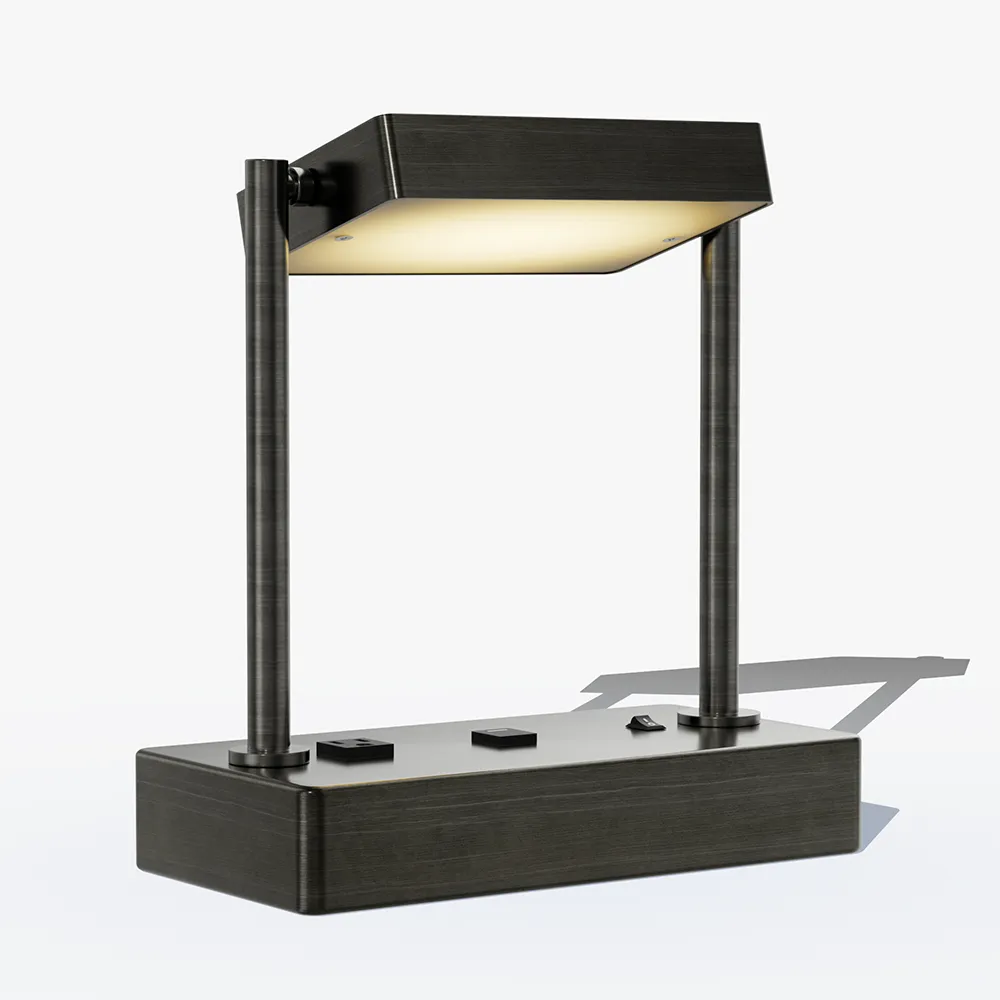
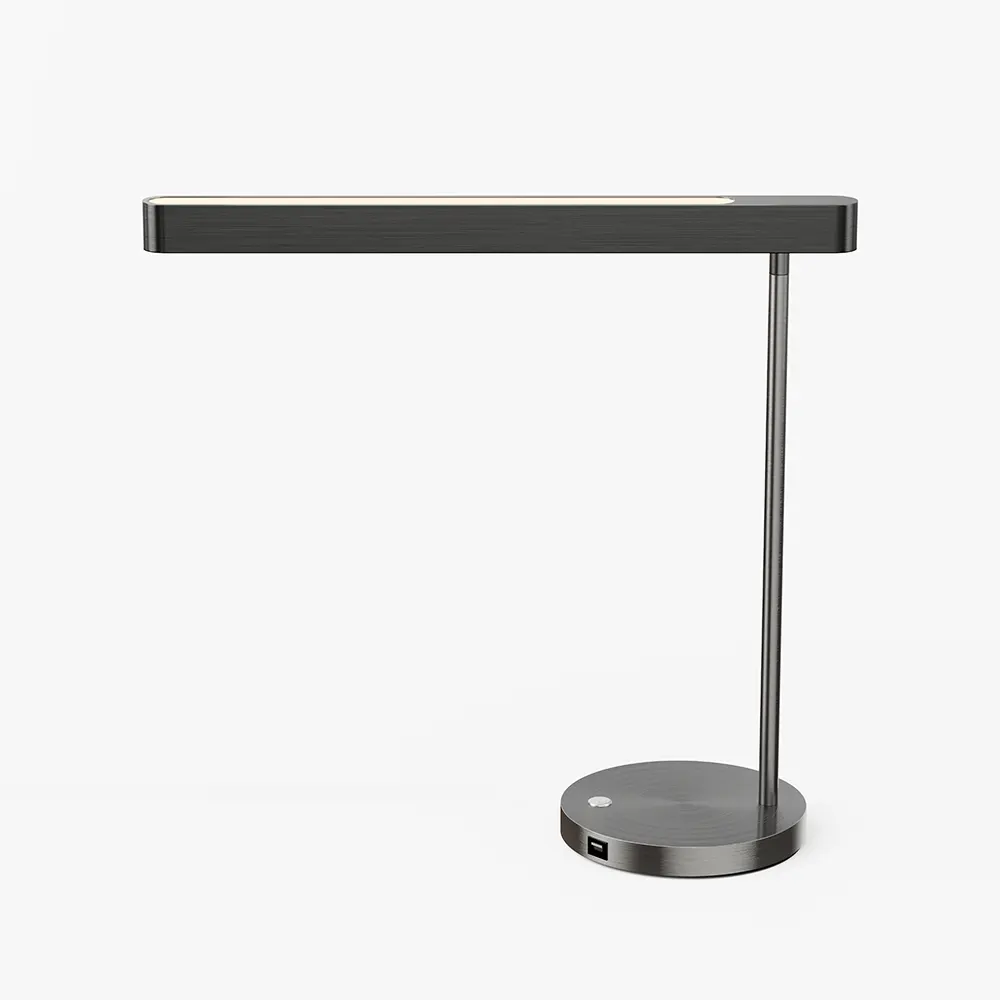
- USB-A charging ports
- USB-C charging ports
- Integrated power outlets
- Dimming capability
- Easy-to-reach controls
These features can significantly improve guest convenience without increasing operational complexity.
Maintenance Considerations
- Replaceable drivers
- Replaceable LED modules
- Serviceable switches
- Easy-clean finishes
- Spare parts availability
Maintenance requirements often become more important after installation than the initial purchase price.
Project Requirements
- Lead times
- Warranty coverage
- Sample approval process
- Packaging requirements
- Replacement part availability
Successful hospitality projects consider the entire lifecycle of the fixture, not just the installation phase.
Lighting Requirements by Hotel Type
Not every hotel uses the same lighting strategy.
Guest expectations, room rates, brand positioning, and operating budgets all influence lighting decisions.
Economy Hotels
Economy properties typically prioritize:
- Durability
- Easy maintenance
- Cost efficiency
- Simple controls
Fixtures are selected to withstand heavy use while minimizing replacement costs.
Mid-Scale Hotels
Mid-scale hotels often balance aesthetics and functionality.
Common priorities include:
- USB charging
- Modern finishes
- Comfortable bedside lighting
- Improved guest convenience
Upscale Hotels
Upscale properties usually introduce additional lighting layers.
These may include:
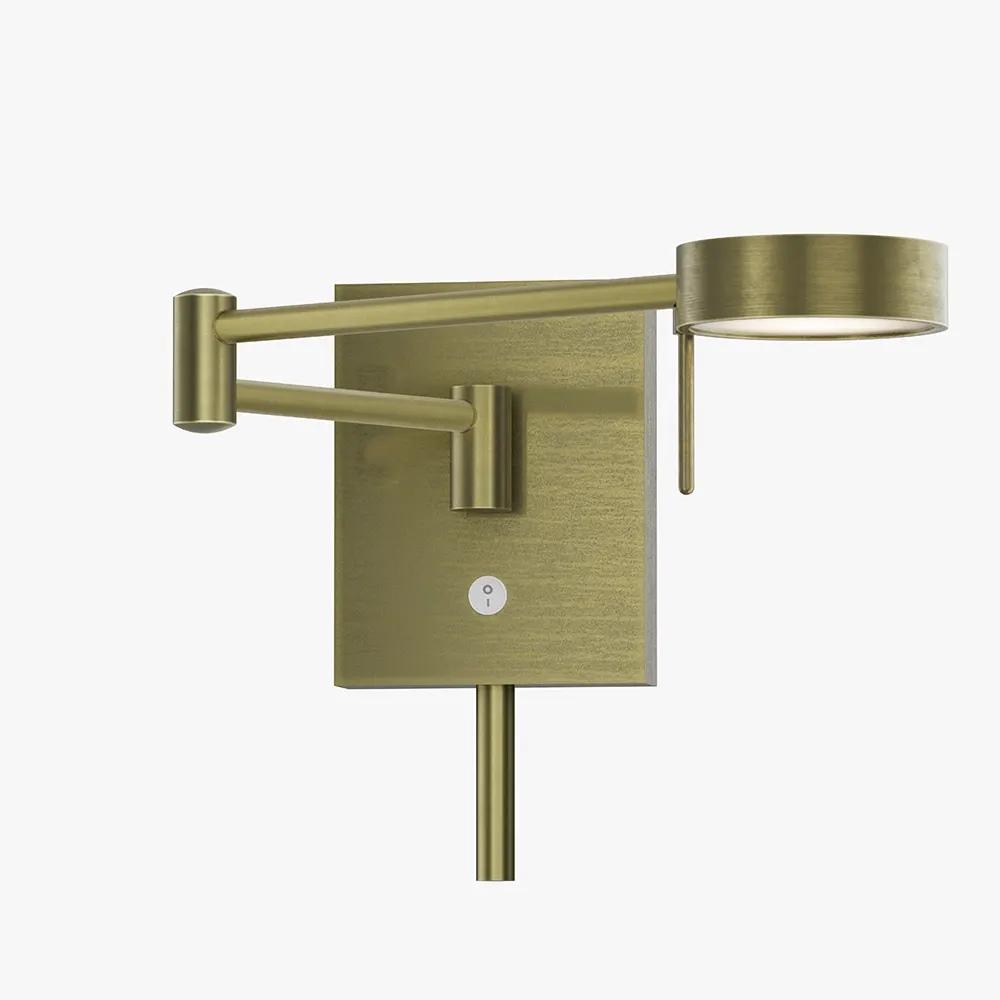
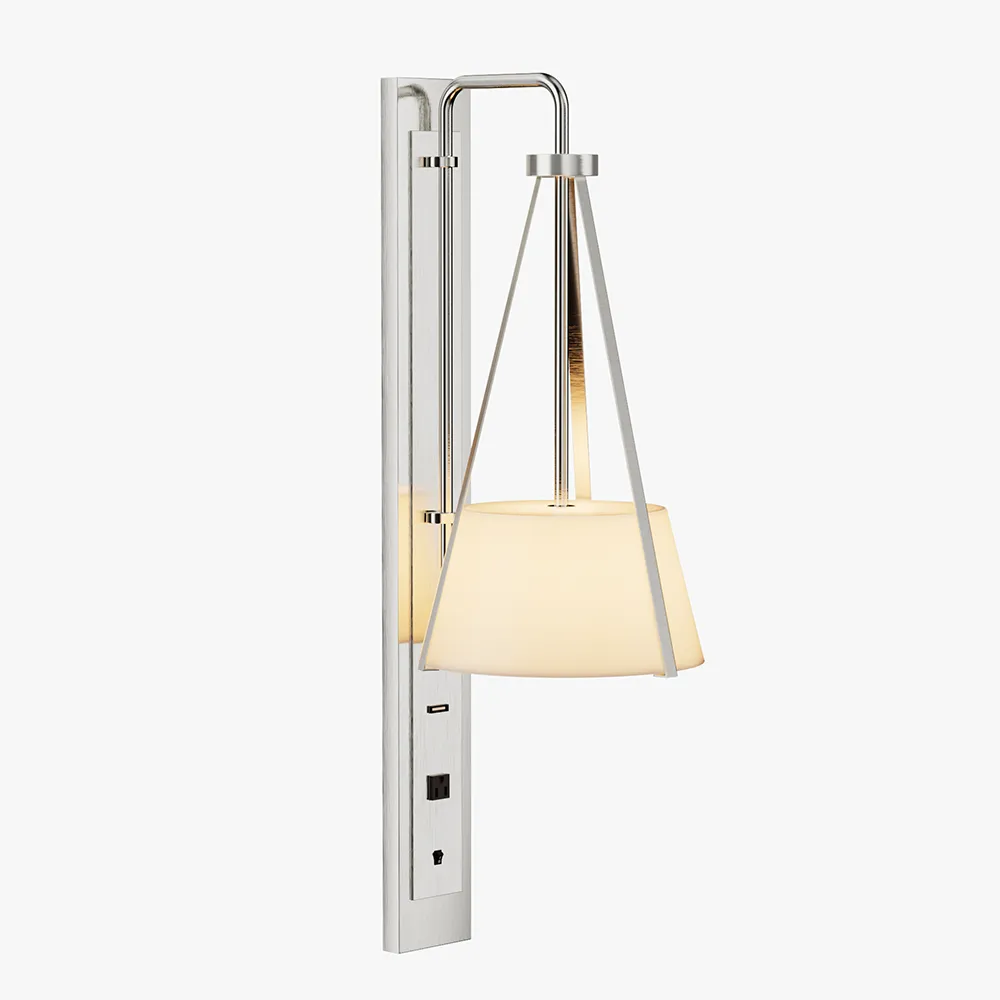
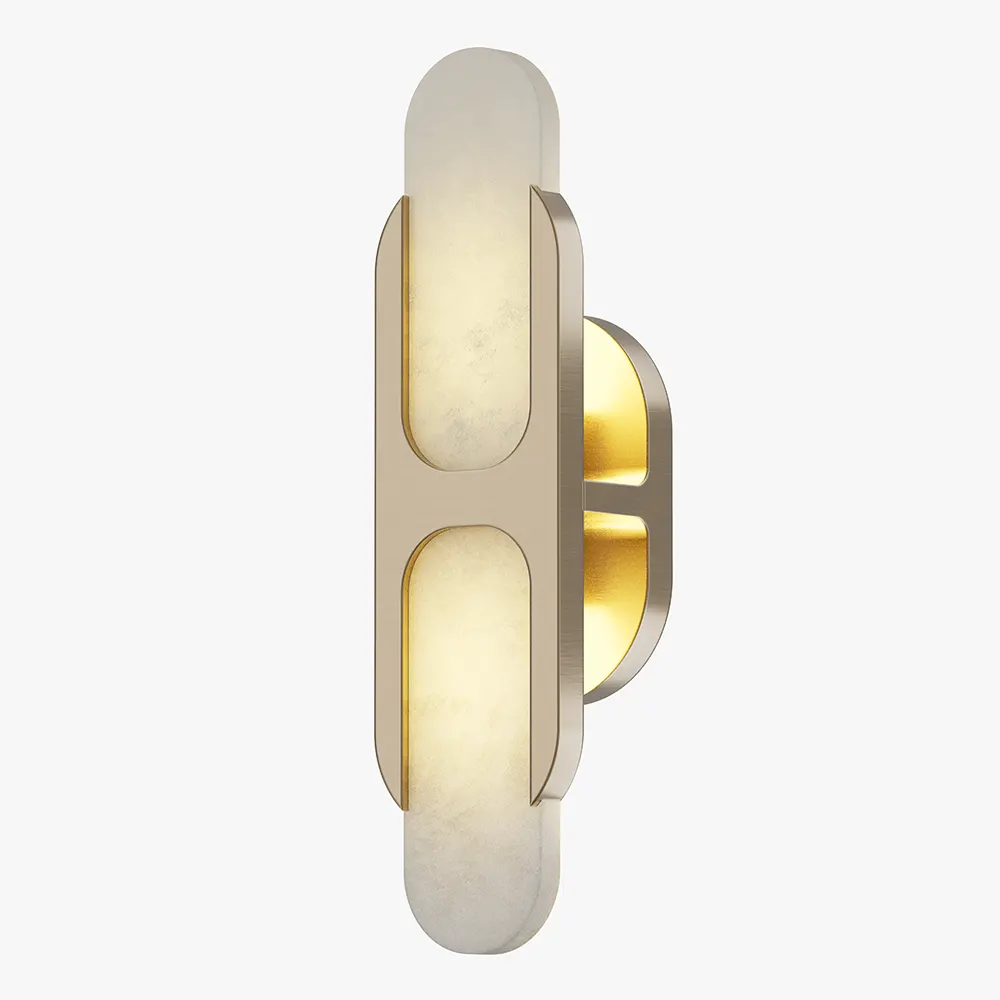
- Decorative wall fixtures
- Dedicated reading lights
- Accent lighting
- Dimmable controls
The goal is to create a more refined guest experience without sacrificing practicality.
Luxury Hotels
Luxury projects frequently involve custom lighting solutions.
Brand standards, interior design concepts, and guest expectations often require:
- Custom finishes
- Bespoke fixture designs
- Layered lighting schemes
- Integrated control systems
In these environments, lighting becomes part of the overall design identity of the property.
New Build vs Renovation Lighting Projects
Lighting decisions are often different for renovations and new construction projects.
New Build Projects
New construction offers greater flexibility.
Design teams can coordinate lighting layouts, power locations, and furniture placement from the beginning.
This often results in cleaner integrations and fewer installation constraints.
Renovation Projects
Renovations introduce different challenges.
Existing wiring locations may limit fixture options.
Hotels may also need to keep parts of the property operational during construction.
For this reason, renovation projects often place a greater emphasis on compatibility, installation efficiency, and minimizing disruption.
A Common Issue We See During Hotel Renovations
One challenge appears repeatedly during guest room renovation projects: bedside space.
During the design phase, large decorative lamps often look attractive.
Once guestrooms become occupied, however, practical issues start to emerge.
Guests need space for:
- Phones
- Tablets
- Smartwatches
- Water bottles
- Charging cables
- Personal belongings
A large lamp base can quickly consume most of the available surface area.
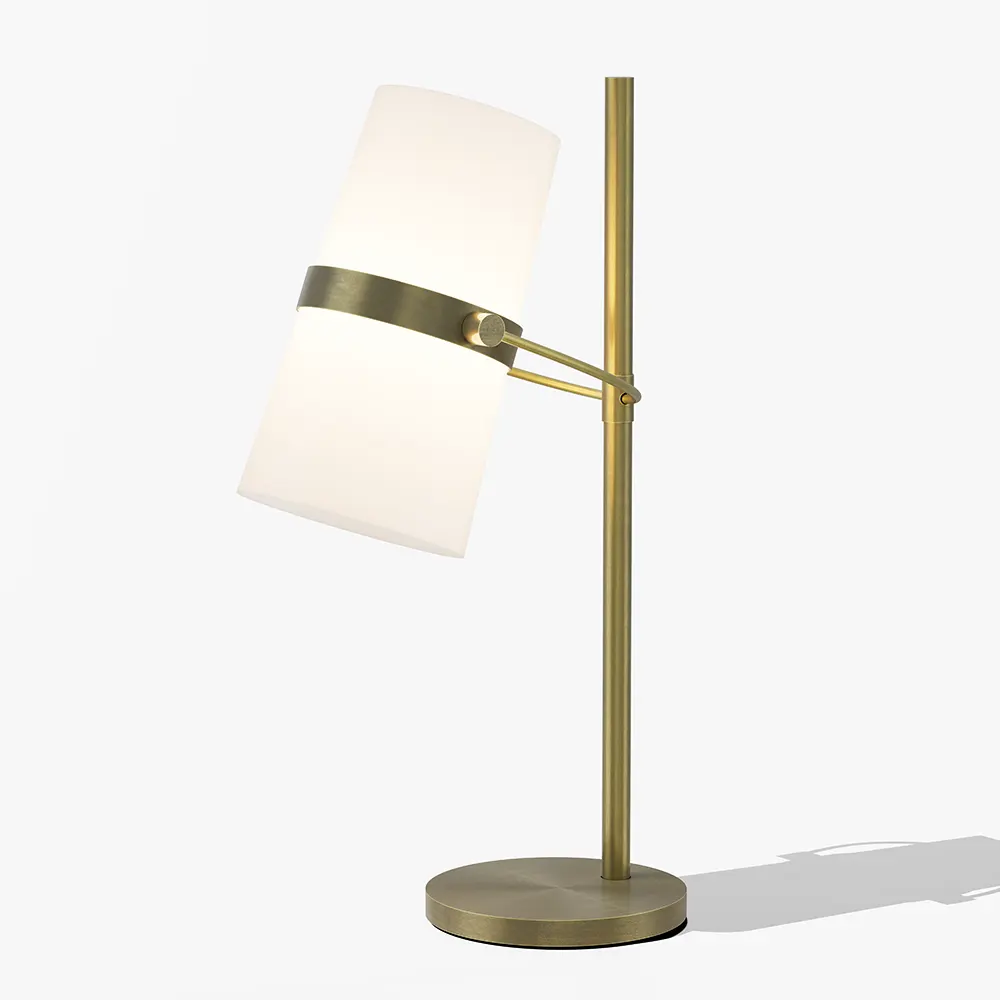
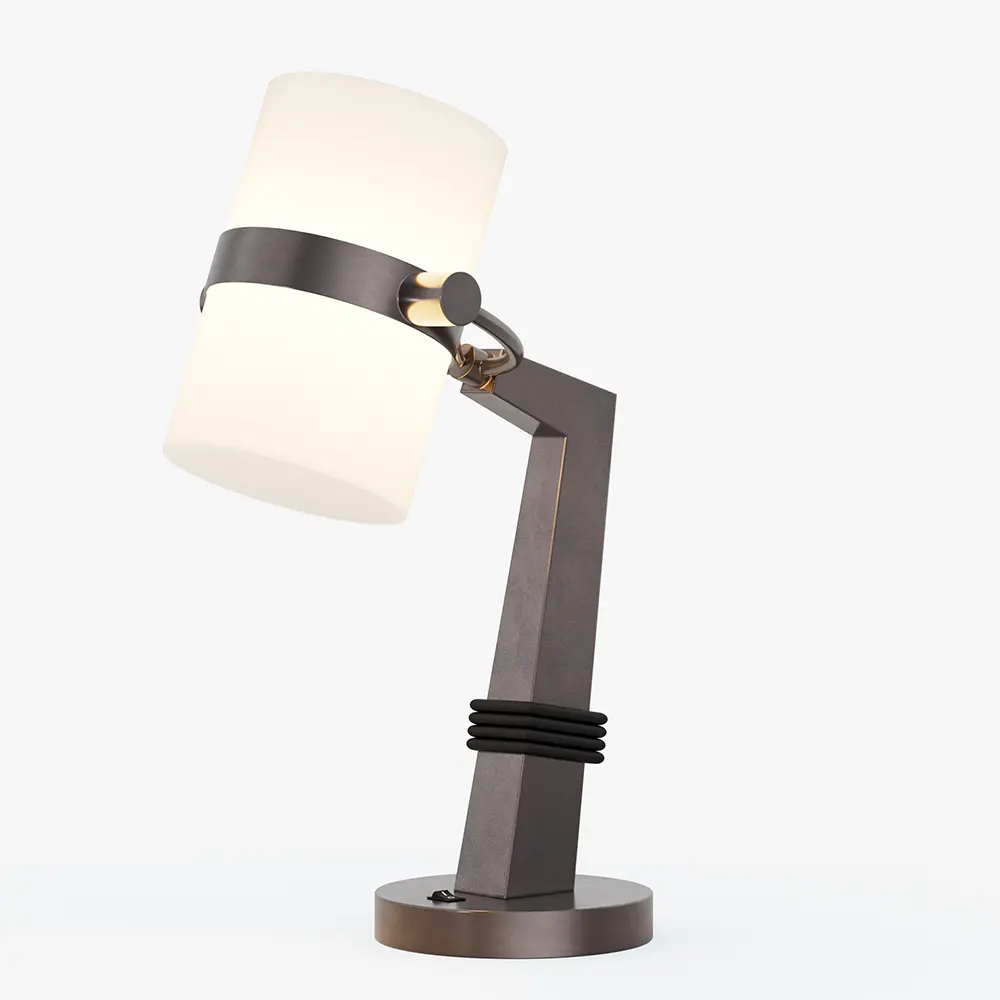
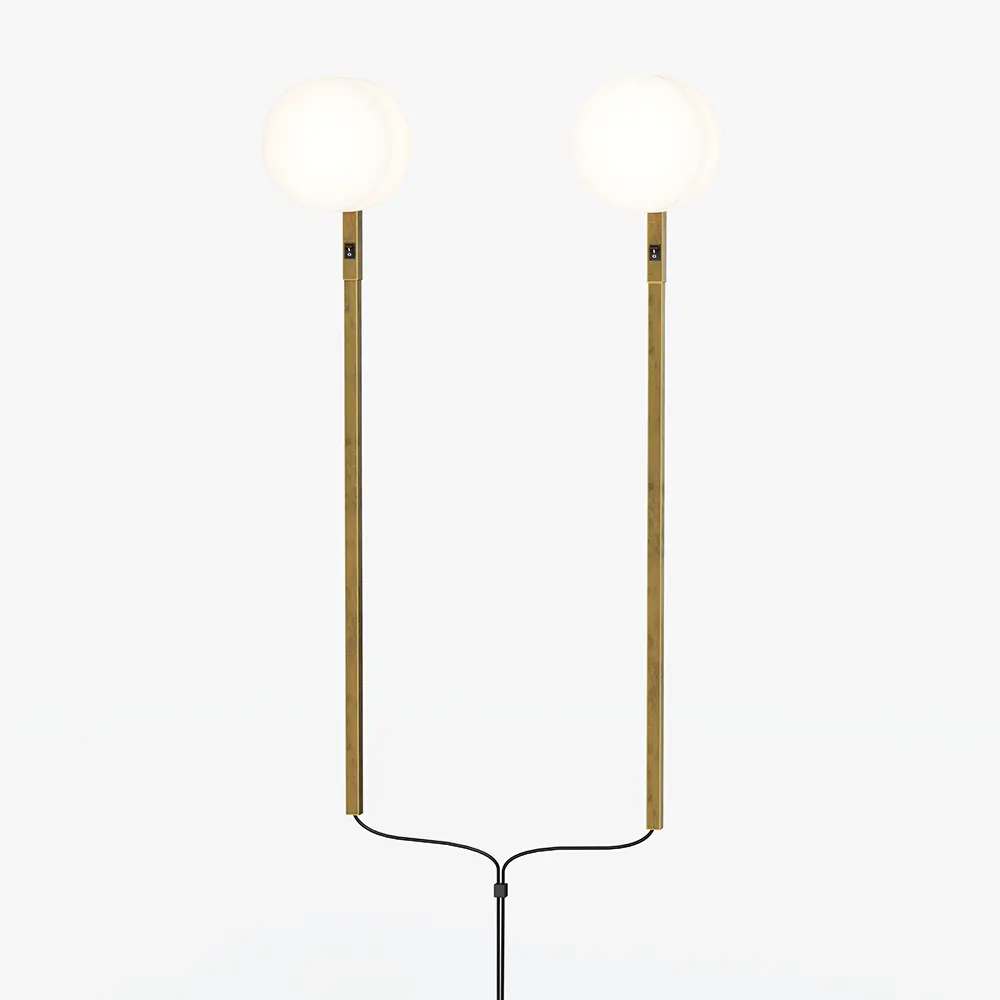
This is one reason many hotels have gradually moved toward wall-mounted reading lights, compact bedside fixtures, and integrated charging solutions.
The goal is not simply to save space.
The goal is to make the room easier to use.
Recommended Lighting Types for Different Guest Room Areas
| Guest Room Area | Recommended Lighting Type |
|---|---|
| Bedside | Reading Light + Bedside Lamp |
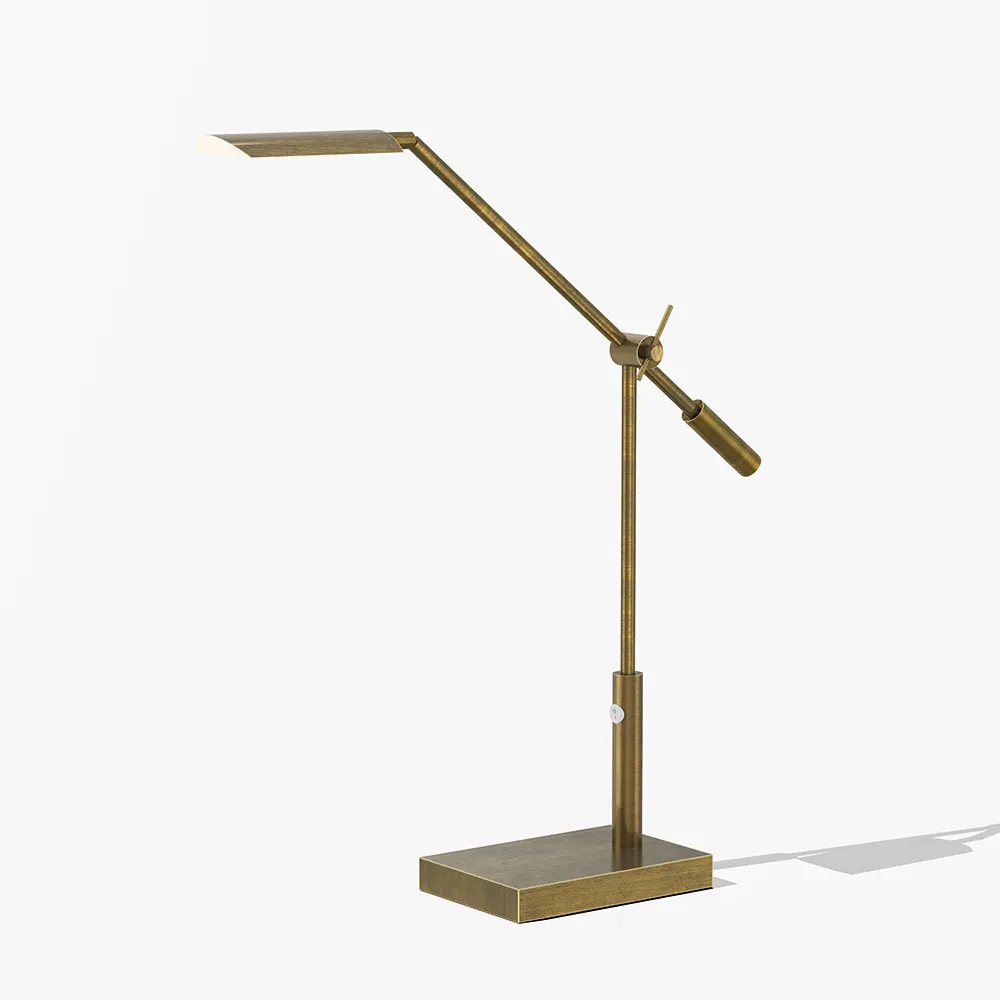
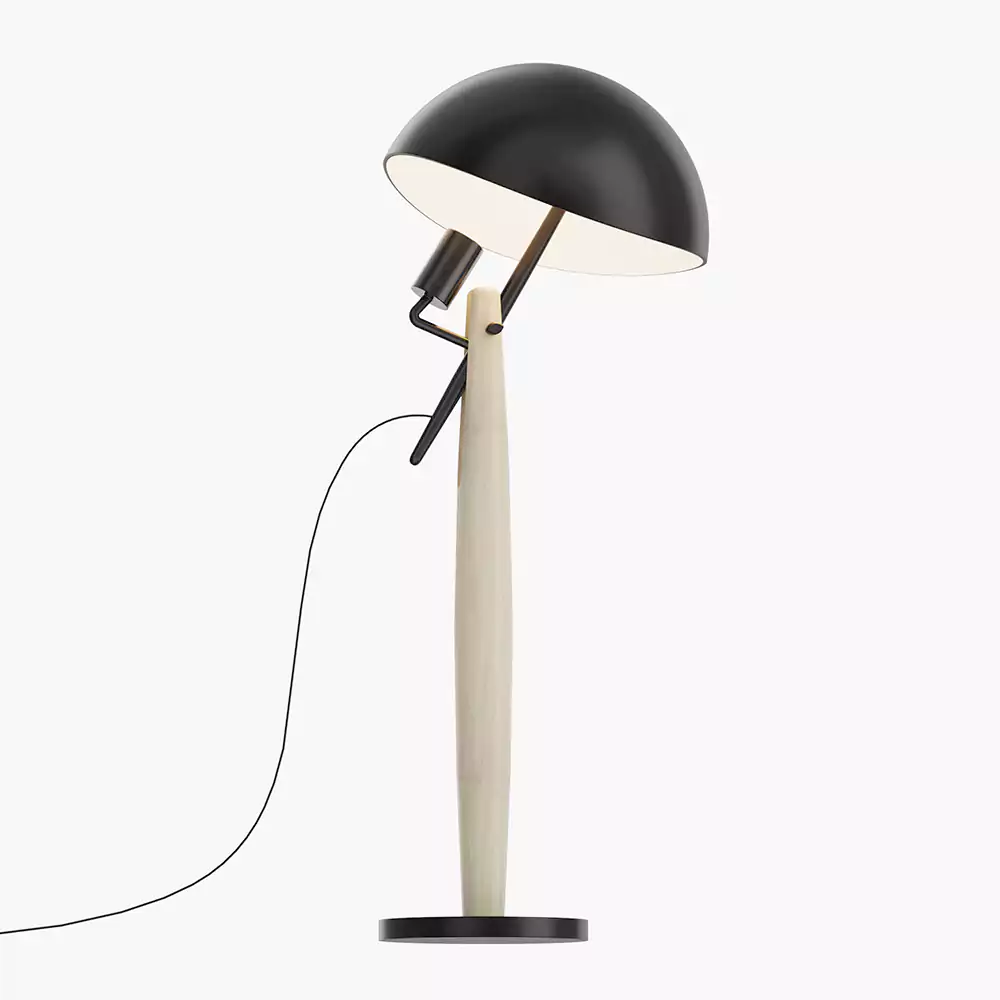
| Work Desk | Adjustable Task Lamp |
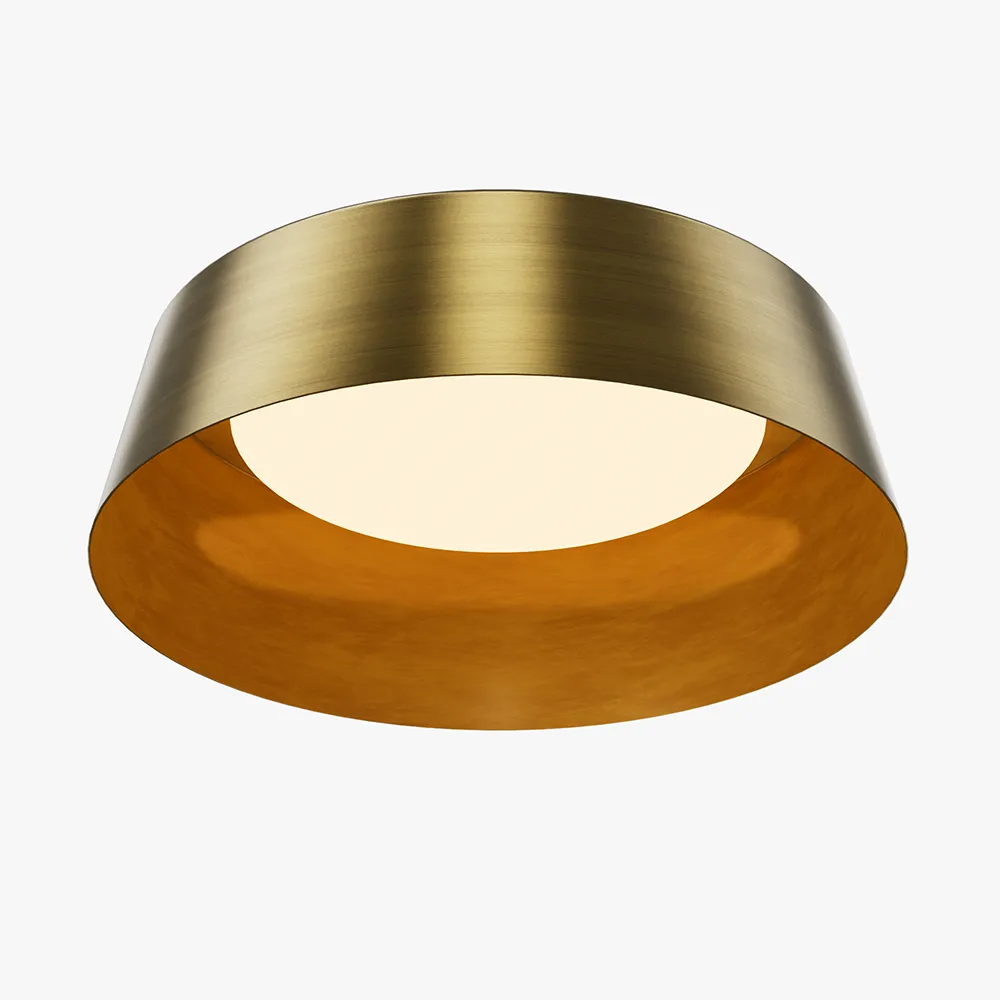
| Entry Area | Ceiling Light or Downlight |
| Wardrobe | Recessed or Integrated Lighting |
| Headboard | Accent Lighting |
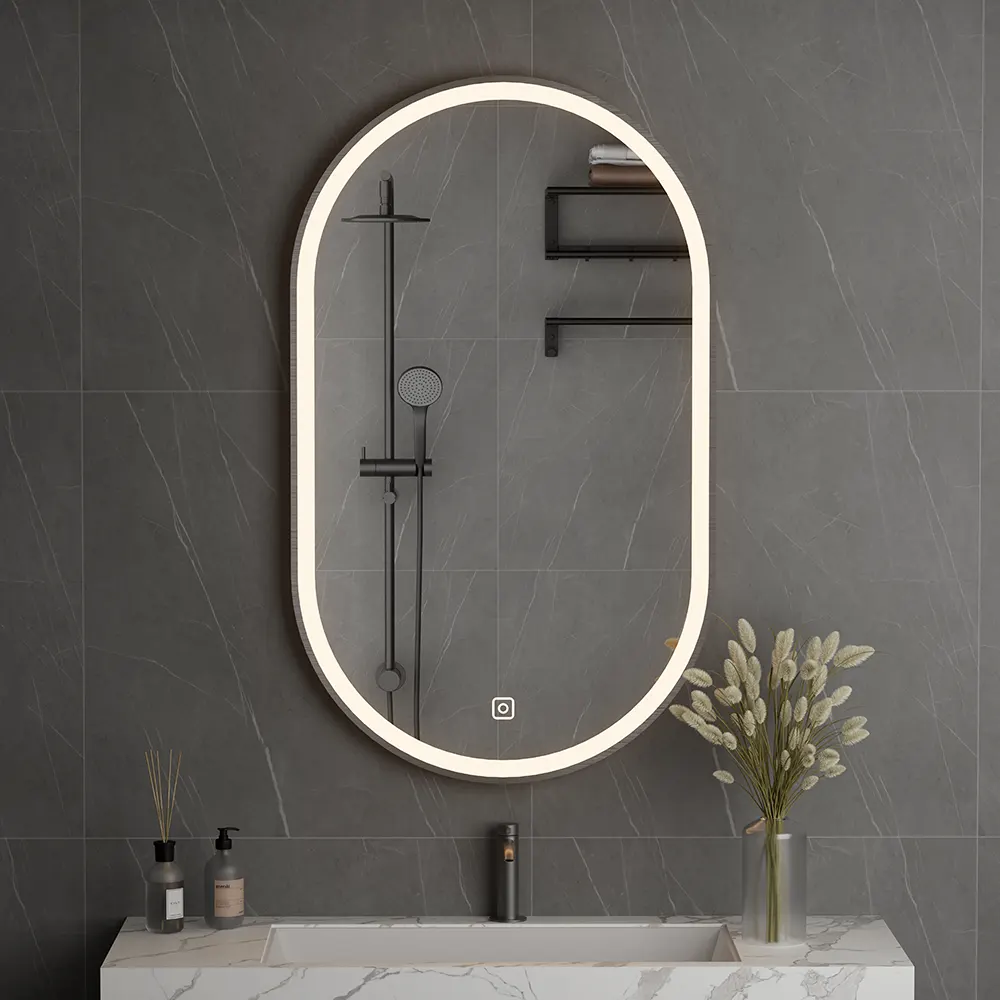
| Bathroom Vanity | Vertical Vanity Lighting |
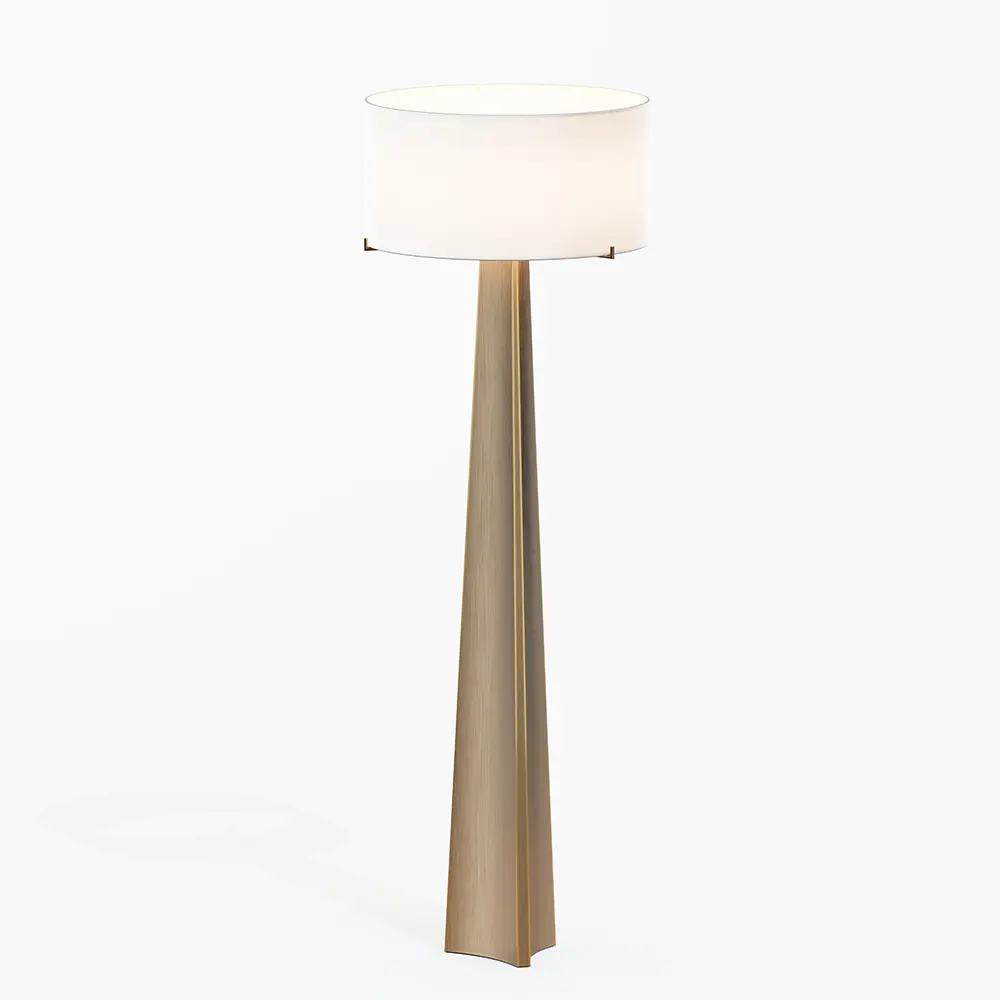
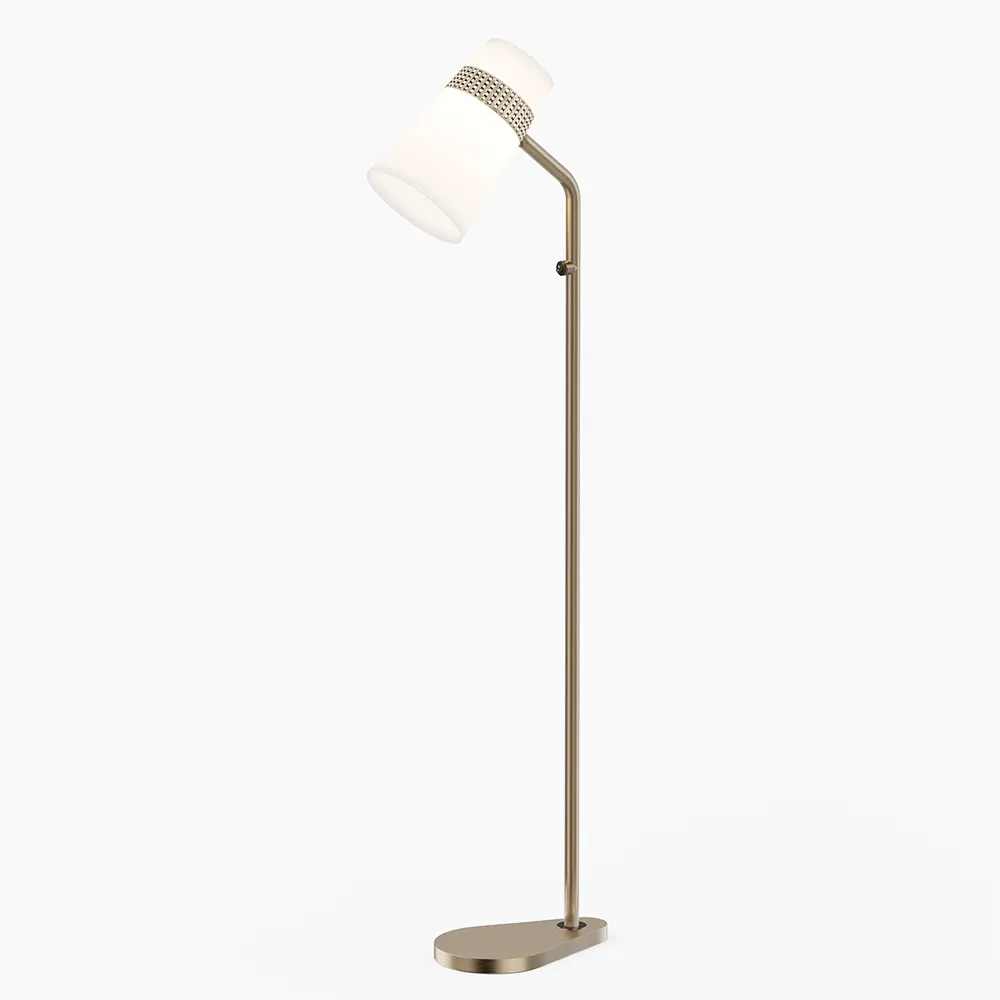
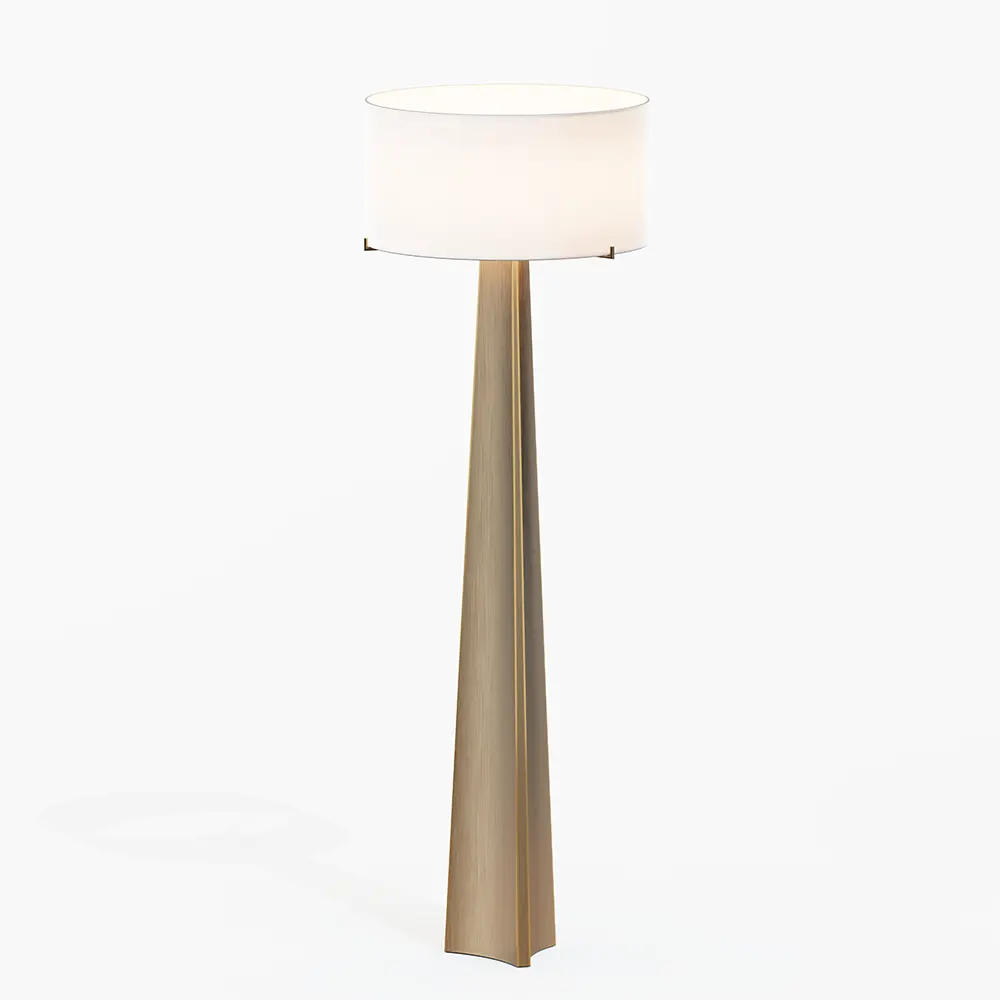
| Lounge Area | Floor Lamp or Decorative Table Lamp |
Using multiple lighting layers helps create a room that feels comfortable throughout the day rather than relying on a single source of illumination.
Frequently Asked Questions
What is the recommended lumen output for hotel bedside lamps?
Many hospitality projects target between 400 and 800 lumens for bedside lighting, depending on room size and whether separate reading lights are provided.
Should hotel guestrooms use integrated LED lighting?
Integrated LED fixtures are increasingly common because they reduce maintenance requirements and improve energy efficiency. However, serviceability should always be considered when selecting integrated LED products.
What is the difference between UL and ETL certification?
Both certifications indicate that a product has been tested to recognized safety standards. Project requirements often determine which certification is acceptable.
How often should hotel lighting be replaced?
Replacement cycles vary by property type, maintenance practices, and fixture quality. Many hotels update lighting during major renovation cycles, even when fixtures remain operational.
How can hotels reduce guest complaints about lighting?
The most common improvements include better bedside lighting, dedicated reading lights, convenient charging access, consistent color temperatures, and intuitive switch locations.
Are wall-mounted reading lights worth the investment?
For many hospitality projects, wall-mounted reading lights improve functionality while freeing up valuable nightstand space.
What color temperature is most commonly used in hotel guestrooms?
Most hotels use lighting between 2700K and 3000K to create a warm and comfortable atmosphere.
What should procurement teams prioritize when selecting hotel lighting?
Durability, certification, maintenance requirements, lead times, spare part availability, and total ownership cost are often more important than purchase price alone.
Do USB-C charging ports matter in hotel guestrooms?
Increasingly, yes. Many travelers now expect convenient charging access near the bed and desk.
What causes delays in hotel lighting projects?
Late design changes, delayed approvals, certification issues, custom fixture revisions, and incomplete specifications are among the most common causes.
Planning a Hotel Lighting Project?
Whether you're sourcing guest room lamps, reading lights, wall sconces, vanity lights, or custom hospitality fixtures, our team can help you evaluate specifications, certifications, and project requirements.
Request a Quote