Hotel Wall Sconces: The Definitive B2B Specification Guide for Hospitality Designers and Procurement Teams
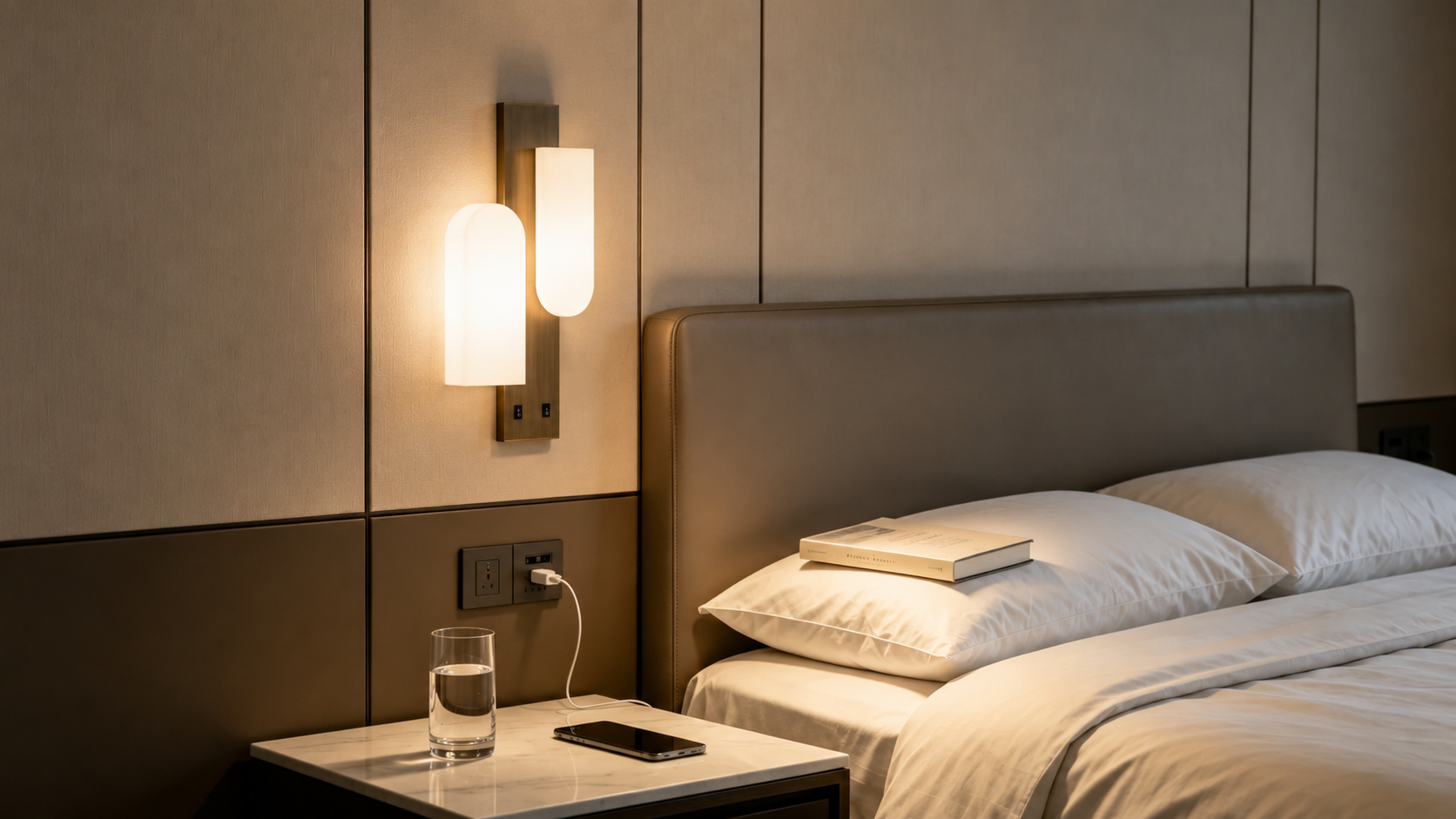
Hotel Wall Sconces: The Definitive B2B Specification Guide for Hospitality Designers and Procurement Teams
Hotel wall sconces are among the most functionally demanding fixtures in a guest room. Guests use them for reading, navigate by them at night, and form their first impression of the room by their light.
When specified correctly, wall sconces quietly elevate the guest experience. When specified poorly, they introduce glare, clutter valuable bedside real estate, complicate maintenance, and inflate long-term operational costs.
For hospitality architects, interior designers, hotel owners, and procurement managers, selecting a wall sconce goes far beyond aesthetics. It is a critical business decision impacting durability, safety compliance, and guest satisfaction scores. This guide breaks down how to specify and source commercial-grade hotel wall sconces that balance design vision with bottom-line reality.
1. Why Wall Sconces Are Essential in Modern Guest Room Lighting Design
Modern hospitality spaces demand multi-layered lighting strategies. Unlike residential rooms, a hotel guest room must adapt to a diverse range of guest behaviors within a single 24-hour cycle:
- Executive business travel requiring focused task lighting at the desk.
- Deep relaxation requiring warm, low-lux ambient lighting.
- Bedside reading requiring glare-free, directional light.
- Safe night-time navigation requiring low-lumen path lighting.
No single overhead fixture can meet all these needs. Wall-mounted sconces solve this layout challenge by delivering localized, functional illumination exactly where it is needed.
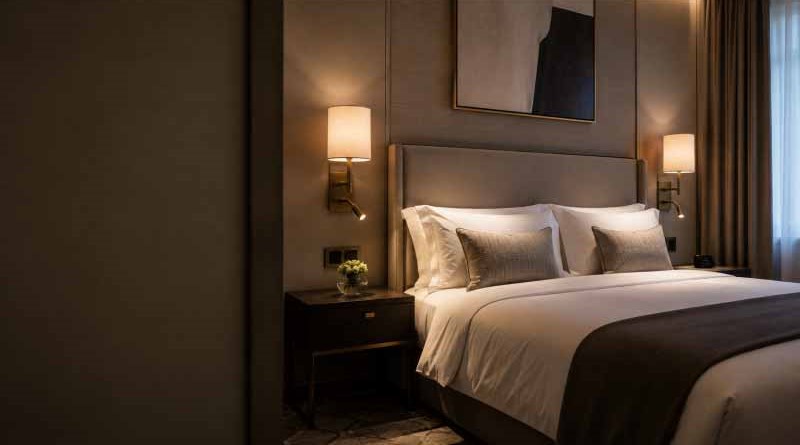
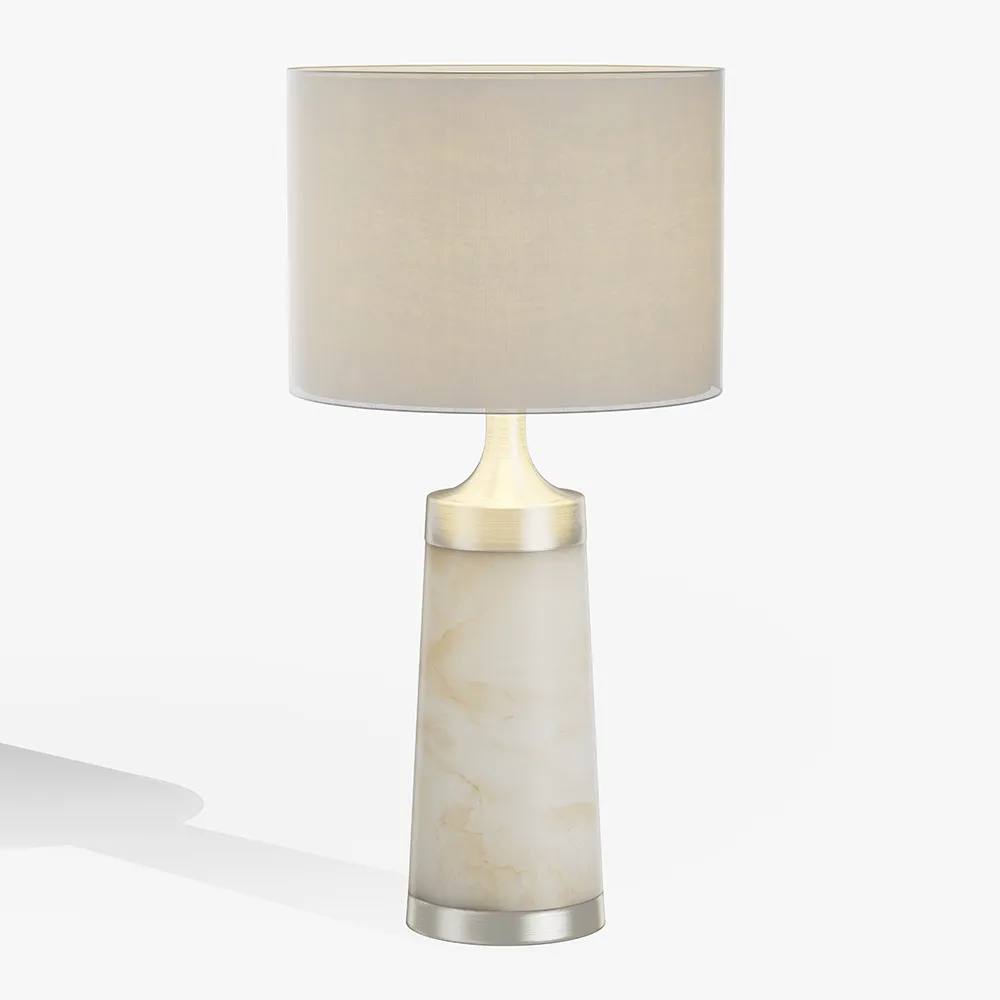
Replacing traditional hotel table lamps with wall-mounted fixtures has also become standard practice in luxury and boutique hotel design. By lifting the light source off the furniture, designers free up critical nightstand surface area for guests' personal devices, water glasses, and room controls.
2. Key Applications of Wall Sconces in Hospitality Environments
To build a cohesive lighting scheme, procurement and design teams must analyze how fixtures perform across different zones of the property.
Bedside Lighting
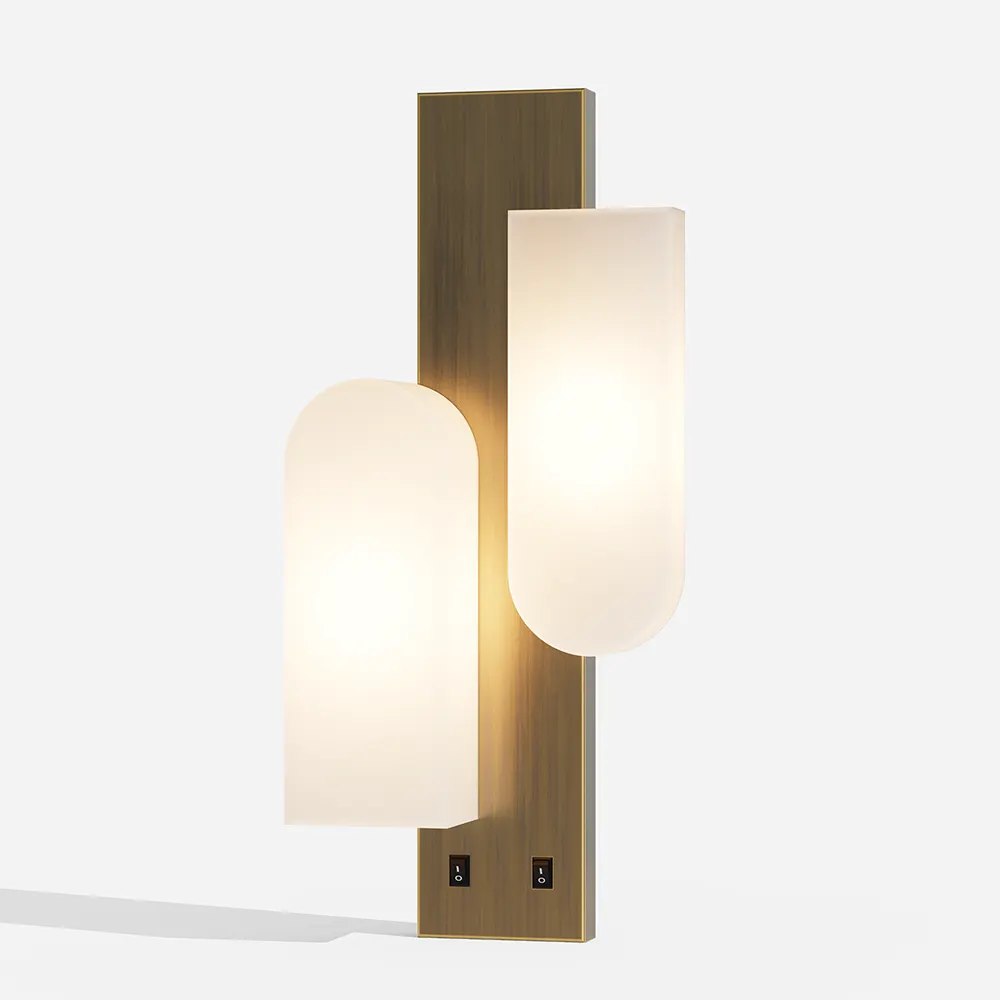
The guest bed is the focal point of the room. High-end hotel guest rooms frequently use dual-function bedside sconces that combine a soft fabric or glass ambient shade with an integrated, flexible LED reading arm. This allows one guest to read without disrupting their partner's sleep.
Lounge and Seating Areas
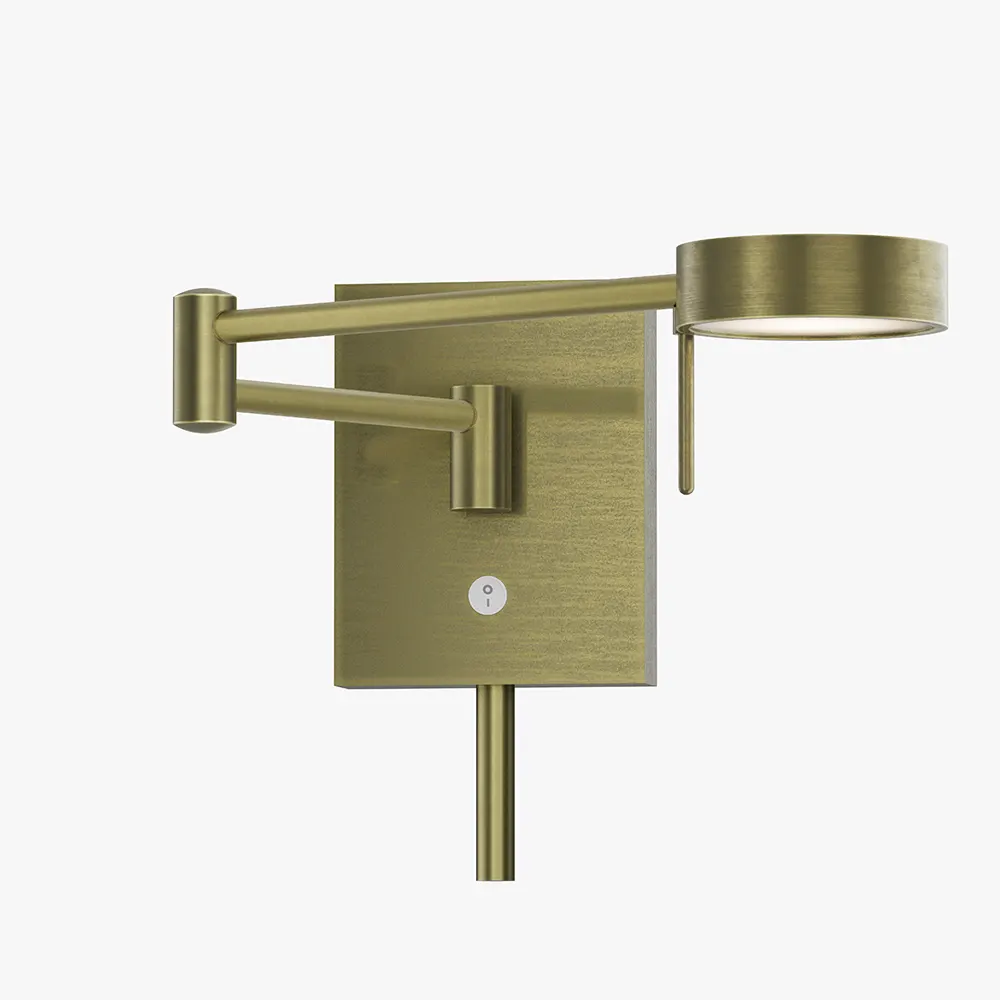
As guest rooms evolve to include dedicated relaxation corners, daybeds, and tech chairs, wall-mounted swing-arm sconces provide targeted reading light without the tipping hazards or cord clutter associated with commercial floor lamps.
Guest Corridors and Hallways
Corridor wall sconces must balance aesthetic branding with rigorous operational demands. Because these fixtures run 24 hours a day, energy efficiency, ADA compliance (low-profile projections), and high-durability finishes are non-negotiable requirements.
Bathroom Vanity Areas
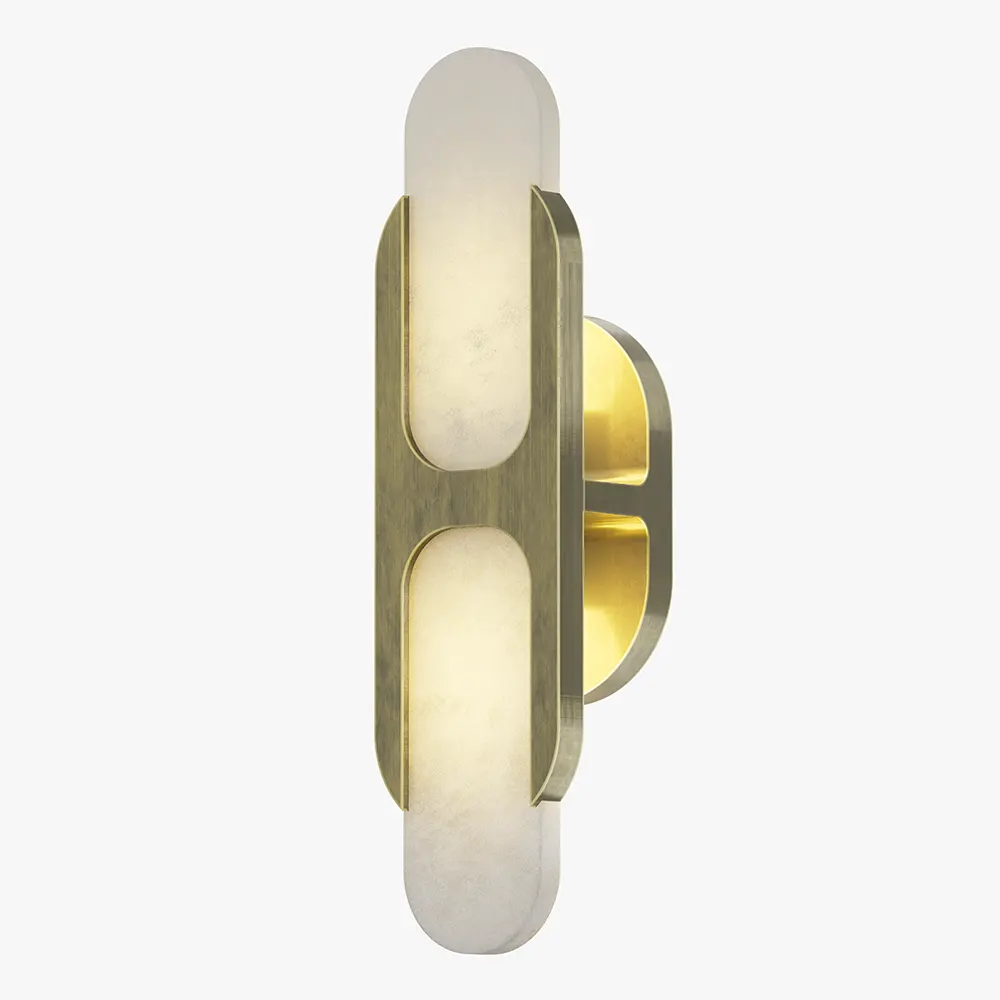
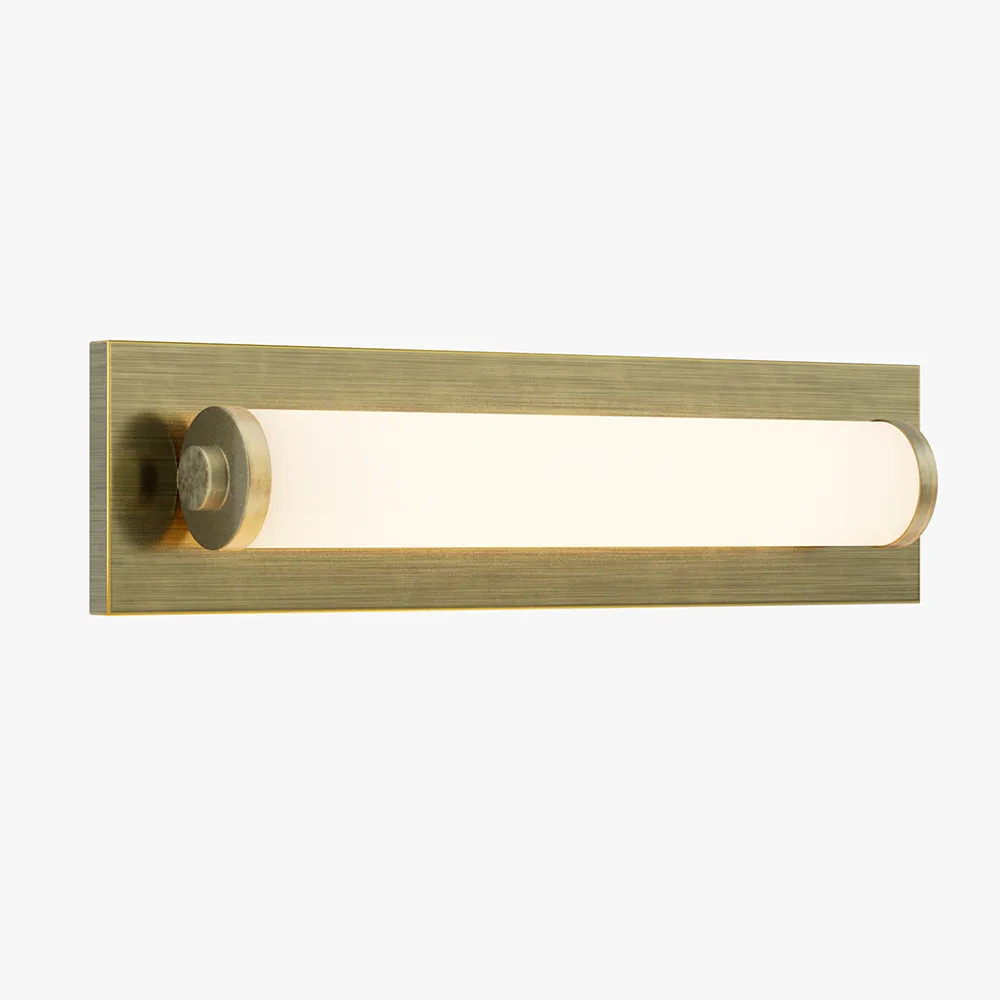
Proper mirror lighting requires vertical wall sconces mounted at eye level on either side of the glass. This placement eliminates the harsh downward shadows cast by standard downlights, providing flattering, even facial illumination for grooming and makeup application.
3. What Hospitality Designers Evaluate During Lighting Specification
Experienced hospitality designers look beyond product catalogs to evaluate how a fixture interacts with the architectural envelope and human ergonomics.
Proportion and Scale
A wall sconce that appears perfectly proportioned in a lighting showroom can easily overwhelm a compact guest room or disappear entirely against an expansive custom-upholstered headboard panel. Designers map out viewing angles, ceiling heights, and headboard dimensions to calculate the exact fixture footprint required.
Light Distribution and Visual Comfort
A successful hospitality fixture controls its lumen output. To prevent visual fatigue, public and ambient areas rely on indirect, diffused distribution. For reading applications, fixtures should incorporate tight, focused optical beam angles (typically 30° to 45°) paired with deeply recessed LEDs to eliminate direct glare.
Material Selection and Structural Engineering
Residential-grade lighting fails rapidly under the duress of commercial use. Hospitality-grade manufacturing demands heavy-gauge metals and advanced construction techniques:
- Steel, aluminum, and solid brass selected for structural integrity and long-term stability.
- Rolled-edge lampshades with precision-finished edges and heavy-duty, flame-retardant backing materials to withstand years of proximity to heat sources and frequent cleaning.
- Tempered glass and impact-resistant acrylic used in high-traffic corridors to prevent shattering.
4. Why Some Hotel Wall Sconces Fail After Installation
Many fixtures look impressive in initial 3D renderings but become operational liabilities after handover. Common commercial lighting failures include:
Inaccessible maintenance: Drivers or LED components that require removing wall panels or dismantling the entire fixture just to perform a routine replacement.Poor switch ergonomics: Rocker or rotary switches that are difficult for elderly or mobility-impaired guests to locate in the dark.Finish degradation: Metal finishes that tarnish, pit, or discolor when exposed to daily aggressive housekeeping chemical wipe-downs.Shade yellowing: Substandard fabric shades that turn yellow or brittle due to UV degradation and continuous thermal exposure from internal electronics.
5. What Hotel Procurement Teams Look For: Sourcing and Supply Chain Factors
While designers prioritize form and photometrics, procurement managers and hotel owners focus on risk mitigation, budgeting, and long-term asset management. When sourcing a lighting manufacturer for a major brand roll-out or boutique hotel renovation, five variables drive the decision.
Safety Certification Compliance
For North American hospitality construction, valid safety listings are a strict legal requirement. Fixtures must be UL Listed, cUL Listed, or ETL Listed for the specific application, including Damp Location certification for bathroom vanities. Missing certifications can halt electrical inspections, delay occupancy permits, and void commercial property insurance.
Manufacturing Consistency and Color Matching
A hotel order may require hundreds of identical fixtures across multiple floors and buildings. True commercial lighting manufacturers maintain tight quality control boundaries, ensuring that metal finishes match perfectly across different production runs and that LED color consistency falls within a 3-Step MacAdam Ellipse (SDCM ≤3) to avoid mismatched color temperatures room to room.
Sustainable Customization Capabilities
Hospitality projects frequently require modifications to standard catalog items. Sourcing partners must offer flexible customization such as integrating high-speed USB-A and USB-C charging ports into the sconce backplate, altering mounting bracket configurations, or matching a highly specific brand-approved finish.
Reliable Commercial Lead Times
Construction and renovation schedules operate on razor-thin margins. A delayed lighting shipment can derail an entire floor opening. Manufacturers must provide transparent, milestone-tracked production timelines and maintain reliable raw material supply chains.
Post-Occupancy Spare Parts Availability
Lighting is a long-term property investment. Procurement teams must verify that the manufacturer offers a reliable supply of replacement lampshades, drivers, integrated switches, and modular LED engines for at least 3 to 5 years post-completion.
6. Hotel Wall Sconces Specification Checklist
Before approving a production sample or signing off on a purchase order, verify that your lighting vendor complies with the following engineering standards:
| Check Category | Technical Requirement |
| ☐ Certification | Verified UL, cUL, or ETL commercial-grade listing. |
| ☐ Electrical | Universal voltage compatibility (120–277V where applicable) with transient surge protection. |
| ☐ Photometrics | Color temperature (typically 2700K for hospitality) and CRI 90 or higher for premium color rendering. |
| ☐ Charging Integration | USB-C and USB-A modules built into the backplate with independent power isolation. |
| ☐ Surface Finishing | Anti-fingerprint, clear-coat lacquer over brushed metals to prevent oxidation. |
| ☐ Shade Durability | Flame-retardant, high-temperature resistant fabric linings with rolled edges. |
| ☐ Logistics and Support | Written warranty covering commercial hospitality usage and a guaranteed spare parts retention window. |
Frequently Asked Questions
What type of wall sconce is best for hotel bedside lighting?
Dual-function bedside sconces that combine a fabric or glass ambient shade with an integrated adjustable LED reading arm are the most widely specified option in full-service and luxury hotels. This configuration allows one guest to read while the other sleeps, and eliminates the need for a separate table lamp, freeing up nightstand surface area for devices and room controls.
What certifications are required for hotel wall sconces in the United States?
Hotel wall sconces installed in U.S. commercial properties must carry a UL Listed or ETL Listed mark for their specific application category. Fixtures installed in bathroom vanity areas additionally require a Damp Location rating. Missing certifications will result in AHJ (Authority Having Jurisdiction) inspection rejection, delayed occupancy permits, and potential insurance liability for the property owner.
What color temperature is recommended for hotel guest room wall sconces?
Most hospitality lighting designers specify 2700K for guest room wall sconces. This warm white color temperature creates a relaxed, residential atmosphere that is well-suited to both ambient and reading applications. A CRI of 90 or higher is recommended to ensure accurate color rendering of room furnishings, artwork, and guest skin tones.
How do hotel procurement teams evaluate wall sconce manufacturers?
Procurement teams typically evaluate manufacturers across five factors: valid safety certification for the target market, demonstrated finish consistency across large production runs, flexibility to accommodate brand-specific customization requests, transparent lead time commitments with milestone tracking, and confirmed availability of replacement components for a minimum of three to five years after project completion.
What is the difference between residential and hospitality-grade wall sconces?
Hospitality-grade wall sconces are engineered for significantly higher durability and operational demands than residential fixtures. Key differences include heavier-gauge metal construction, flame-retardant and rolled-edge fabric shades, anti-fingerprint and chemical-resistant finish coatings, accessible driver and LED replacement systems, and full commercial safety certifications. Residential fixtures typically lack these features and will degrade rapidly under the cleaning schedules and continuous-use conditions of a commercial hotel environment.
Final Thoughts
Hotel guests rarely check out remembering the specific design of a wall sconce. What they remember is how the room made them feel: comfortable, functional, intuitive, and well considered.
The most successful hospitality lighting projects achieve this by treating fixtures as operational infrastructure rather than decorative accents. By working with an experienced hospitality lighting manufacturer who understands the balance of design intent, commercial testing, safety compliance, and supply chain reliability, project teams ensure a smooth construction phase and a guest room environment that performs consistently for years to final renovation.
For specification support or custom sourcing inquiries, contact the Minoze Lighting team at simon@minozelighting.com.