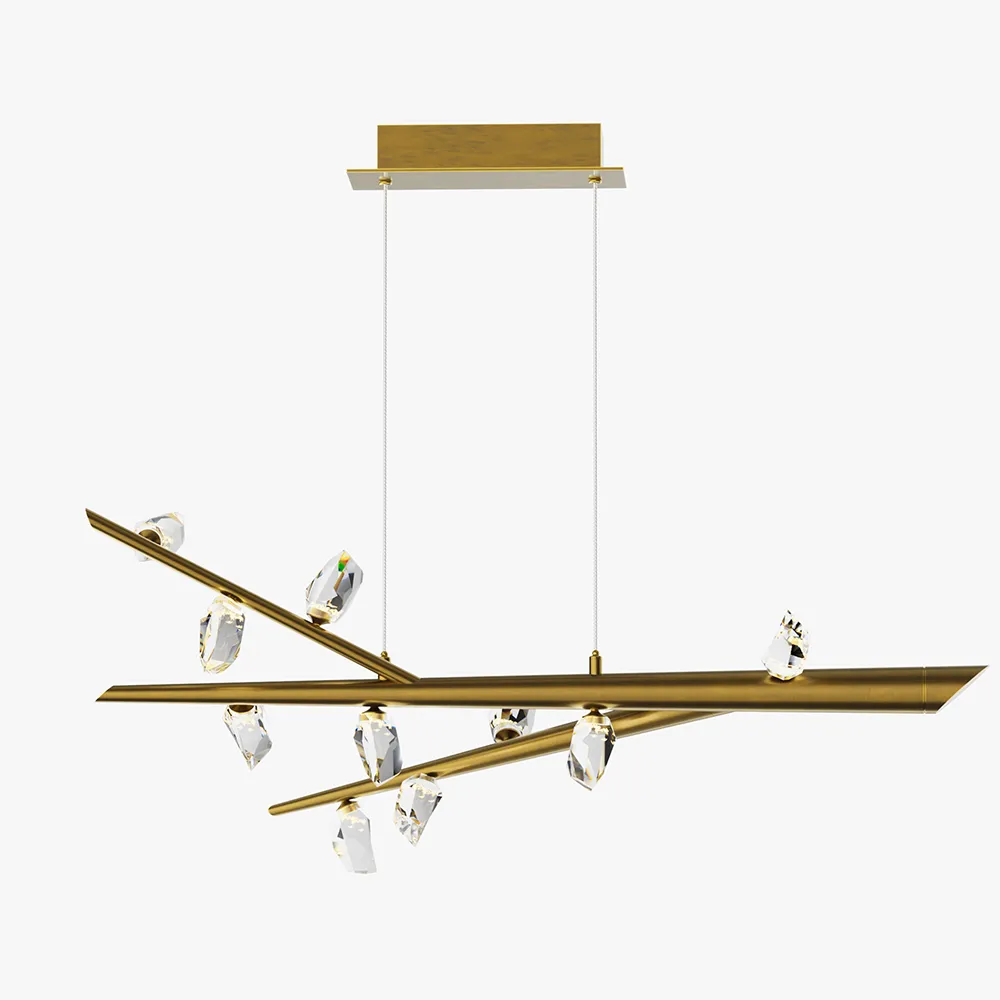
Hospitality Lighting Specification Guide: Standards, Requirements, and Procurement Strategies for Hotel Projects
A well-written hospitality lighting specification doesn't just define fixtures—it ensures better design, smoother procurement, and lasting performance for every hotel project.
What Is a Hospitality Lighting Specification?
A hospitality lighting specification is a technical document that defines the design, material, electrical, and performance requirements for lighting fixtures used in hotel projects.
In many hotel projects, this is also referred to as a hotel lighting specification, which provides a practical framework for fixture selection, budgeting, and project approval.
It typically covers fixture types, finishes, lumen output, color temperature (CCT), electrical certifications, dimming protocols, and installation details. For hoteliers, architects, and procurement teams, a clear specification ensures that every fixture matches the interior design vision, meets local safety codes, and performs reliably over years of heavy commercial use.
Why Hospitality Lighting Specifications Matter
Hotel lighting is not just about making a room look pretty—it directly shapes how guests feel, sleep, and experience a brand.
While residential light fixtures only operate a few hours a day, hotel lights operate in high-traffic, high-use commercial environments. Poorly specified lighting leads to uncomfortable glare, high maintenance costs, inconsistent finish colors, and expensive project delays during site inspections.
A professional specification balances five essential pillars:
· Design Intention (Aesthetics & Brand Identity)
· Guest Comfort (Visual Comfort & Usability)
· Environmental Durability (Corrosion, Moisture & Wear Resistance)
· Regulatory Compliance (Safety & Regional Building Codes)
· Procurement Efficiency (Quality Control, Lead Times & Landed Cost)
What Should Be Included in a Hotel Lighting Specification?
1. Fixture Type and Spatial Requirements
Different hotel zones require vastly different lighting solutions:
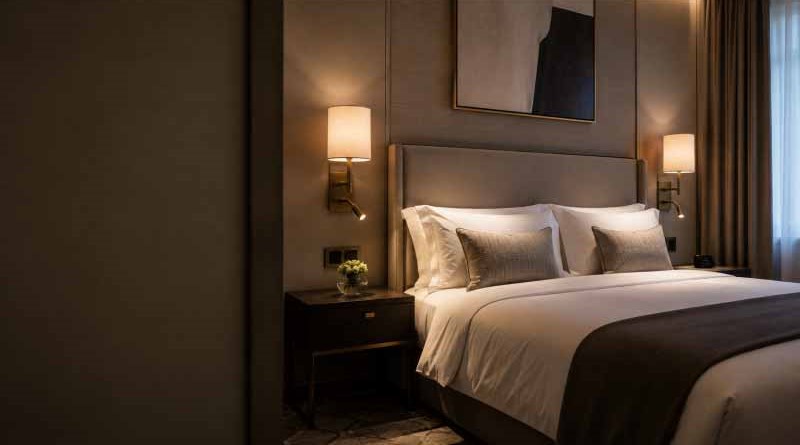
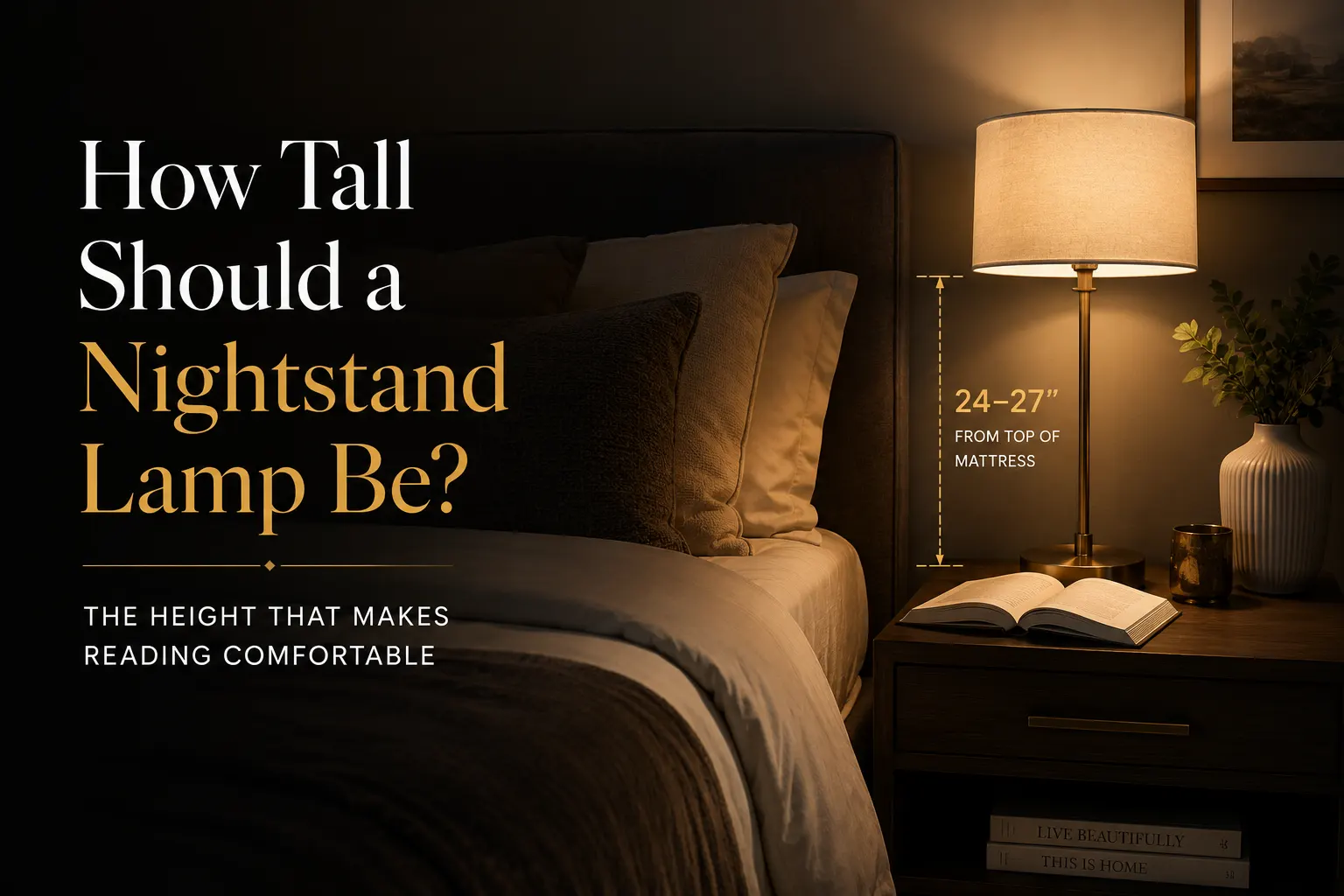
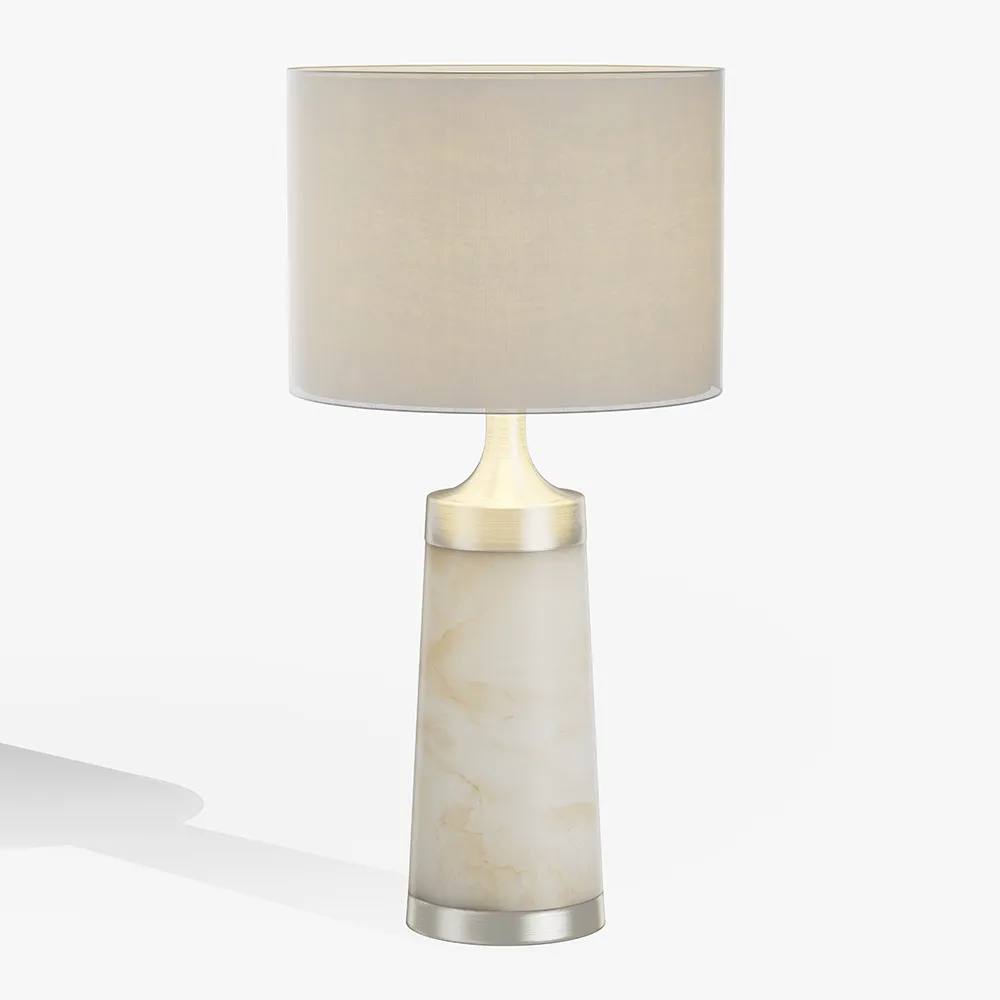
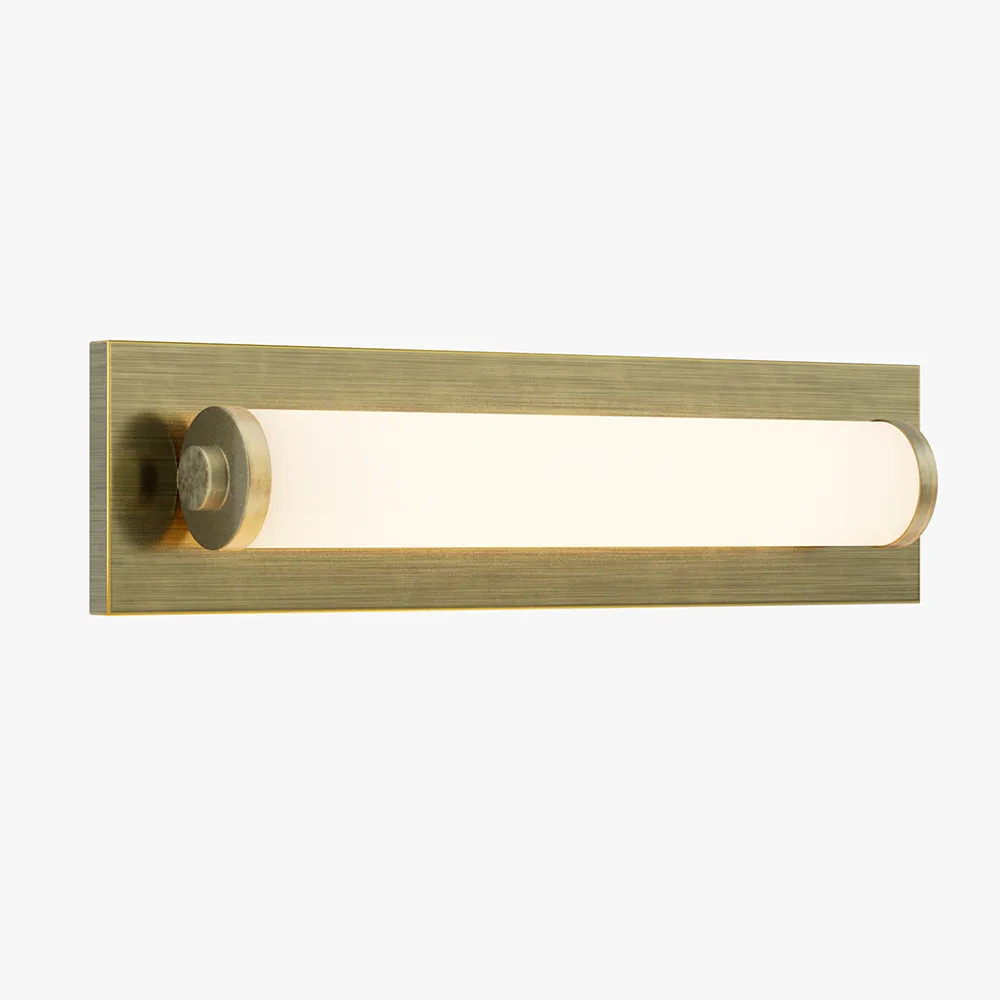
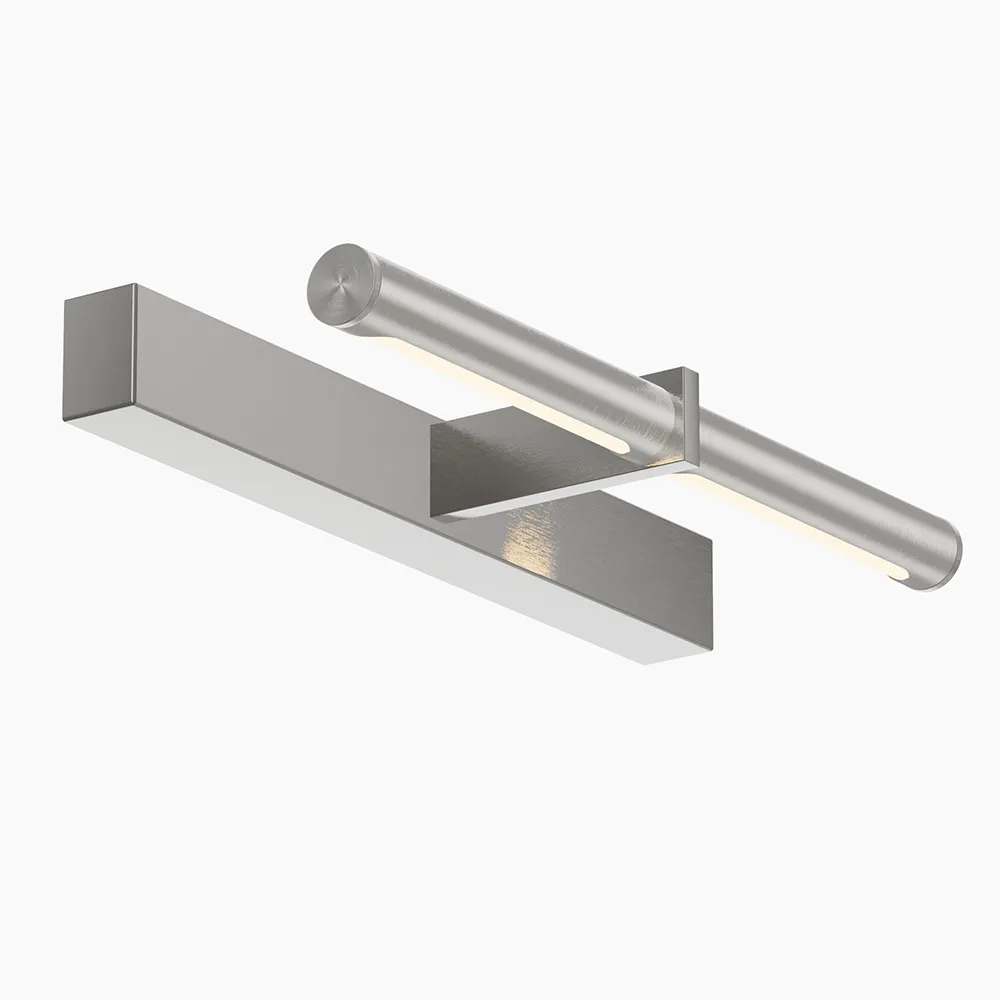
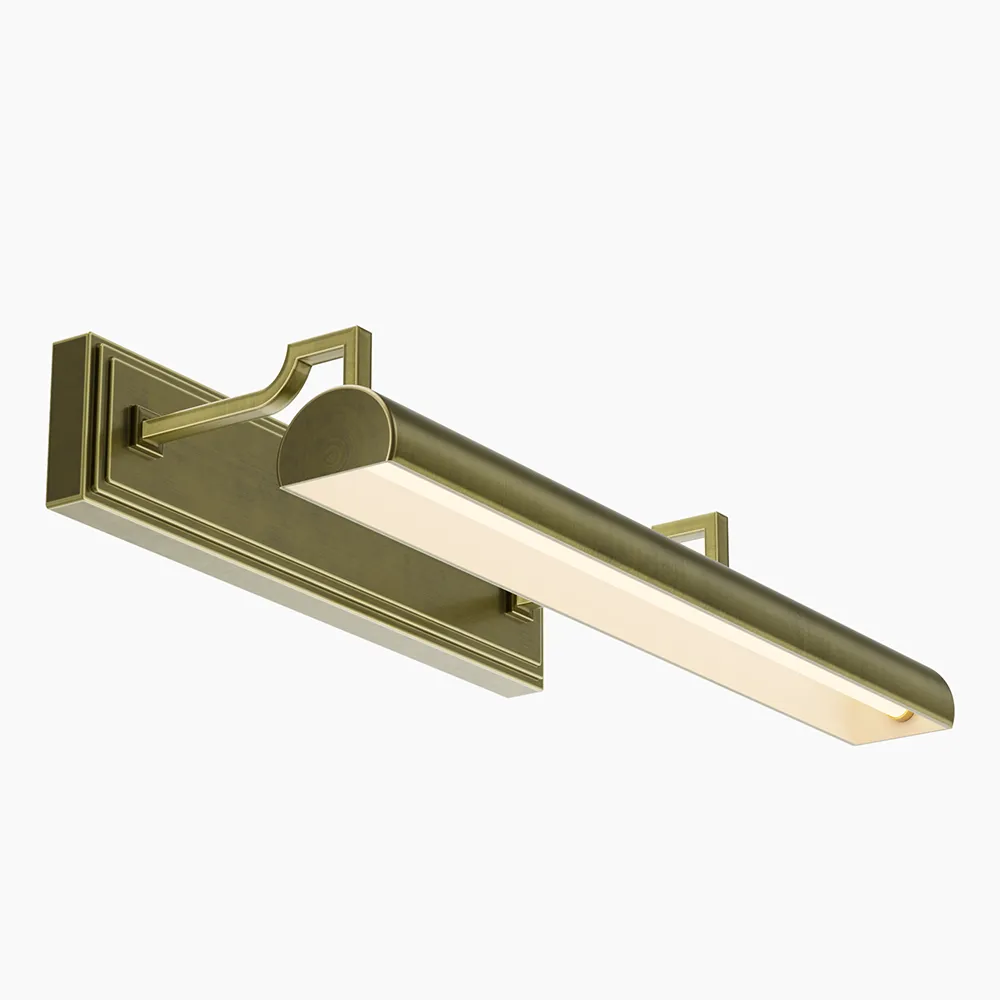
· Guest Rooms & Suites: Focus on layered, intuitive lighting. Common lights in hotel suites include bedside table lamps. They also include decorative wall sconces.People often use floor lamps for certain room layouts. Bedside reading lights require focused, glare-free beams so one guest can read without disturbing another. Table lamps also benefit from integrated charging options (USB-A, USB-C, or AC outlets) to improve guest convenience.
· Corridors & Transit Areas: Require 24/7 continuous illumination. Wall sconces and ceiling fixtures must offer low glare, high energy efficiency, and durable LED drivers built for long commercial lifespans.
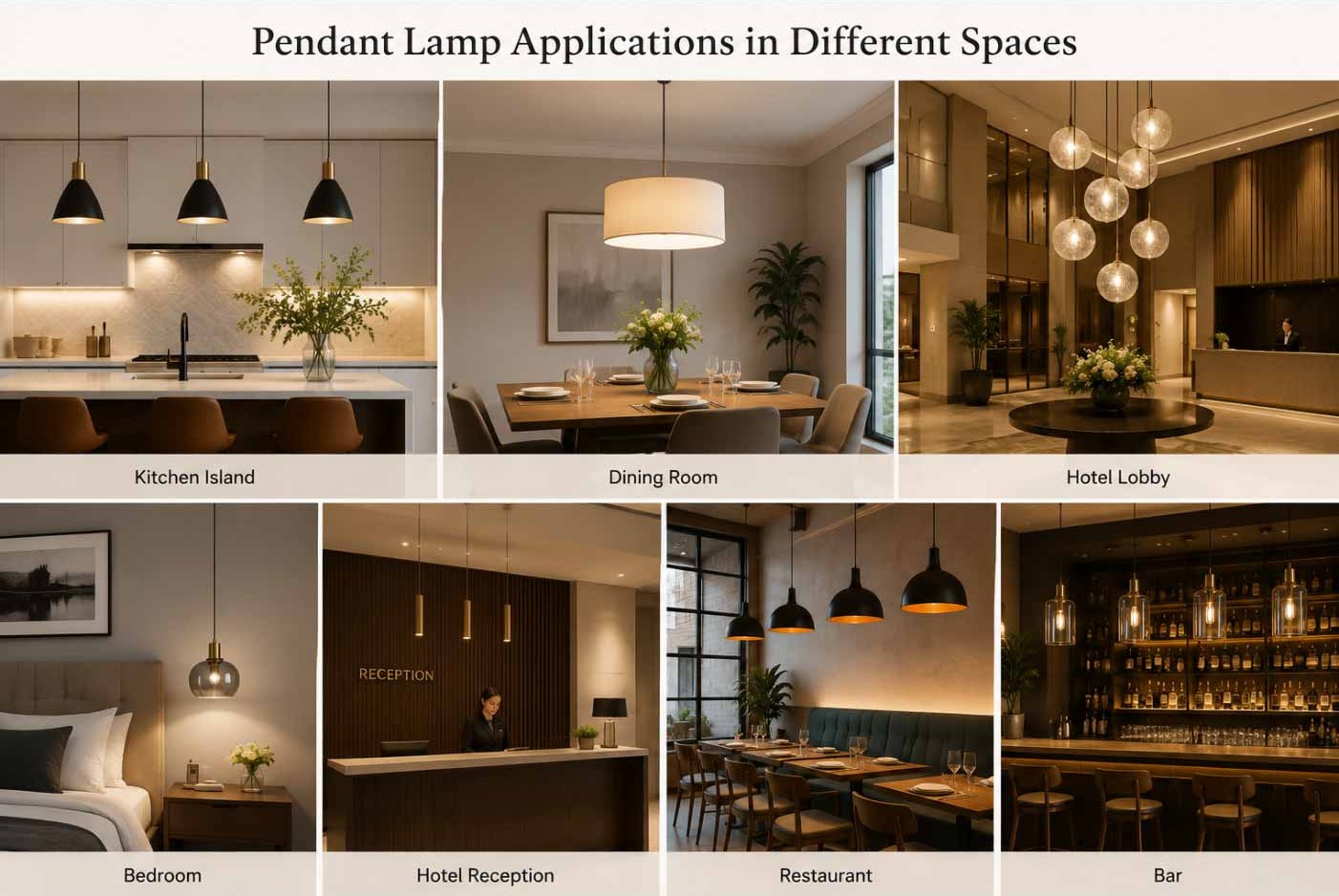
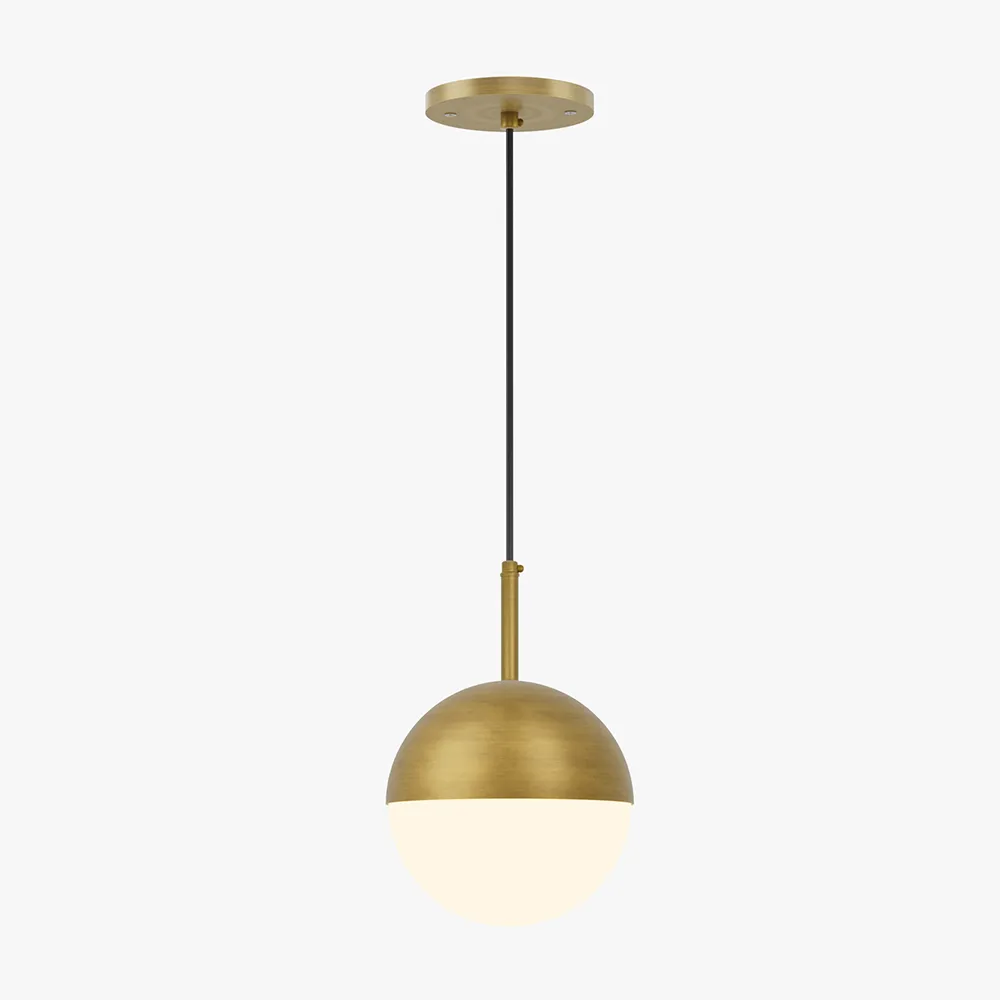
· Lobbies & Public Areas: Require custom statement pieces (chandeliers, feature pendants) integrated with central control systems to seamlessly adjust room ambiance from day to night.
· Bathrooms & Dressing Areas: Demand accurate color rendering so skin tones, clothing, and makeup appear natural under artificial light.
[Lobby / Public Areas] ➔ Statement Lighting, Custom Engineering, Central DALI/KNX Control
[Corridors / Transit] ➔ 24/7 Durability, Indirect Lighting, Commercial-Grade Drivers
[Guest Rooms / Suites] ➔ Layered Warmth, Integrated USB Charging, Intuitive Local Controls
2. Materials, Finishes, and Climate Durability
Selecting the right material is a long-term durability decision, especially when considering the hotel's geographic location.
· Coastal & Tropical Resorts: Salt air and ambient humidity cause rapid oxidation. Specifications should mandate 316 Stainless Steel (SS316), marine-grade aluminum, PVD coatings (500-hour salt-spray tested), and IP65/IP67 ratings for outdoor or balcony fixtures.
· Alpine & Cold Climates: Cold temperatures and internal condensation can cause driver failure. Specify cold-weather drivers rated to -40°C and freeze-resistant silicone seals.
· Standard Urban Hotels: Require high wear-and-tear resistance against daily housekeeping chemistry. Specify commercial electroplated steel, solid brass, heavy glass, and scratch-resistant lacquer coatings.
3. Why Hospitality Lighting Samples Often Fail During Production: A Manufacturer's Perspective
As a custom hospitality lighting manufacturer with over 16 years of production experience, one of the biggest challenges we see in hotel projects is maintaining consistency between approved samples and final mass production.
During large-scale hotel projects, small variations in:
· Metal plating color and electroplating bath consistency
· Brushed metal grain direction and lacquer thickness
· Glass blowing thickness and optical diffusion uniformity
· Fabric shade seam welding and lining texture
· Structural assembly tolerances and joinery tightness
...can become noticeably visible once hundreds or thousands of fixtures are installed side-by-side down a hotel corridor or across guestrooms.
Pro Tip for Procurement Teams: Always mandate a signed "Golden Sample" before mass production begins. A professional lighting manufacturer uses approved golden samples, pre-production inspection, and strict plating-bath control procedures to guarantee that bulk production strictly matches the approved sample in both appearance and structural integrity.
4. Lighting Performance & Key Technical Parameters
While technical specs are essential, procurement teams only need to focus on a few key lighting metrics:
· Color Temperature (CCT): Most hotel guest rooms use warm white light (2700K–3000K) to foster a cozy, relaxing environment.
· Color Rendering Index (CRI): Specify CRI > 90 for bathrooms, dressing areas, and restaurants to ensure colors look vibrant and true to life.
· Color Consistency (SDCM): Require a 3-step MacAdam Ellipse (SDCM < 3) so adjacent light fixtures emit the exact same color tone without visible hue variation.
· Glare Control: Use deep-recessed light engines, diffusers, and proper shade geometries to ensure visual comfort throughout the property.
5. Electrical Requirements and Regional Certifications
Using lighting fixtures without the correct certifications can create approval delays, installation issues, and additional project costs during building inspections.
· North America (US / Canada): Requires UL Listed or ETL Listed components, standard 120V/277V compatibility, and compliance with local energy codes like California Title 24 where applicable.
· Europe & UK: Requires CE, RoHS, and UKCA marks, 230V compatibility, and support for DALI-2 or TRIAC dimming.
· Middle East (GCC): Requires SASO or G-Mark certifications, built to withstand high ambient operating temperatures.
· Asia-Pacific: Requires localized marks such as CCC (China) or RCM (Australia/New Zealand).
How Procurement Teams Evaluate a Hospitality Lighting Supplier
Choosing the right lighting manufacturer involves much more than comparing line-item prices. Leading hotel procurement teams evaluate suppliers across five core capabilities:
1. Hospitality Manufacturing Experience: Commercial hotel lighting requires different structural strength, wiring standards, and finishing techniques than retail or residential lighting. An experienced manufacturer understands the daily wear-and-tear of hotel operations.
2. Sample-to-Production Fidelity: The ability to translate an initial shop drawing or napkin sketch into a flawless prototype—and then replicate that prototype across 500+ units without color or structural drift.
3. Custom Engineering & Value Engineering Capability: Can the supplier adapt raw materials, sizes, or internal LED components to help meet a strict project budget without sacrificing the interior designer’s visual intent?
4. Certification Support: A reliable supplier maintains certified components and provides complete electrical testing documentation, wiring diagrams, and installation instructions ahead of time.
5. Clear Project Communication & Logistics: Dedicated project management with regular progress reports, pre-shipment quality inspection photos, drop-tested packaging (ISTA 3A/6-Amazon), and spare parts allocation.
Custom Hospitality Lighting Development Process
For custom hotel lighting projects, working with an experienced manufacturer ensures a smooth transition from design concepts to finished installation. A reliable supplier should provide a transparent 5-step development workflow:
1. Design Review: Review shop drawings, dimensions, material choices, finishing samples, and mounting requirements.
2. Engineering Confirmation: Verify internal structural strength, driver placement, thermal dissipation, and manufacturing feasibility.
3. Prototype Sampling: Develop full-scale physical samples ("Golden Samples") for visual approval, electrical bench testing, and designer sign-off before mass production.
4. Production: Manufacture fixtures according to approved specifications using standardized electroplating baths, structural inspection, and pre-shipment testing.
5. Quality Inspection: Complete final pre-shipment inspection, apply drop-tested protective packaging (ISTA 3A/6-Amazon), and organize logistics with comprehensive documentation and spare parts.
Hotel Lighting Specification Checklist
Before approving fixtures for procurement, review this practical checklist:
· Application Match: Is the fixture built for commercial hospitality use (durability, easy cleaning, weighted bases)?
· Electrical Compliance: Does it carry the required safety marks (UL, ETL, CE, CCC) for the project location?
· Control Compatibility: Has the driver been verified with the hotel’s dimming or guestroom management system?
· Material & Finish: Do metals, coatings, and IP ratings suit the local environment (e.g., coastal vs. indoor)?
· Optical Quality: Are CCT (2700K–3000K) and CRI (>90) explicitly defined in the spec sheet?
· Golden Sample Approved: Has a physical reference sample been signed off by the design team?
· Spare Parts Included: Is a 5–10% attic stock (spare glass, drivers, shades) included in the purchase order?
Frequently Asked Questions
What is the difference between residential lighting and hospitality lighting?
Hospitality lighting is designed for commercial environments where durability, certification, maintenance, and consistency are critical. Unlike residential lighting, hotel fixtures must support continuous operation, withstand frequent cleaning, and meet strict large-scale project requirements.
What should be included in a hospitality lighting specification?
A complete specification should include fixture type, dimensions, materials, finishes, light performance (lumens, CCT, CRI), electrical specs, safety certifications, dimming protocols, installation instructions, and spare parts requirements.
What color temperature is recommended for hotel guest rooms?
Most hotel guest rooms use warm white light between 2700K and 3000K because it creates a cozy, relaxing, and welcoming atmosphere for guests.
What certifications are required for hotel lighting in the US?
In the US, hotel lighting fixtures typically require UL Listed or ETL Listed certification to comply with National Electrical Code (NEC) standards and local building inspections.
How long does custom hotel lighting production take?
Custom hospitality lighting projects usually involve design confirmation, sampling, production, inspection, and shipping. Sampling typically takes 2–4 weeks, while mass production generally takes 4–8 weeks depending on fixture complexity, quantity, and customization requirements.
Need Custom Hospitality Lighting Support?
Minoze provides custom lighting solutions for hotels, resorts, and commercial interiors, including guestroom lamps, wall sconces, pendant fixtures, floor lamps and decorative lighting.
Our team supports project specification, sampling, customization, and production for hospitality projects worldwide.
Planning a hotel project? Contact us today for project consultation, shop drawings, and specification support.