The Professional's Guide to Hotel Lighting RFQs: Preventing Project Delays at the Source

The Professional's Guide to Hotel Lighting RFQs: Preventing Project Delays at the Source
In the hospitality industry, a quotation is not merely a price. It is a technical promise.
At Minoze Lighting, we often receive RFQs that are dangerously thin: "We need lighting for a 200-room hotel." From a manufacturing standpoint, this is a red flag. Quoting based on a brief description is not professional practice — it is guessing. And in high-end hospitality, guessing leads to engineering revisions, mock-up failures, and budget-shattering project delays.
After years of delivering lighting solutions for international hotel projects, we have distilled our experience into this standard RFQ protocol. This guide serves as a framework to ensure your project is built on accurate information, not assumptions.
1. The Lighting Schedule: The DNA of Your Project
A product list is not an RFQ. To ensure accurate pricing and feasibility, your schedule must be structured with the following technical fields:
Project identification. Fixture code (must correspond to floor plans), quantity, and room type.
Physical constraints. Mounting method (hardwired or junction-box specific), dimensions, and maintenance access.
Performance metrics. Wattage, CCT (color temperature), and lumen output.
Electrical protocol. Voltage (110V or 220V), dimming protocol (TRIAC, 0-10V, or DALI), and driver placement (integrated vs. remote).
Without this structure, we cannot calculate material consumption, heat dissipation requirements, or driver compatibility — factors that define the actual cost of a fixture.
2. Engineering and Design Intent
Photos provide the aesthetic, but drawings provide the function. Every custom RFQ must include:
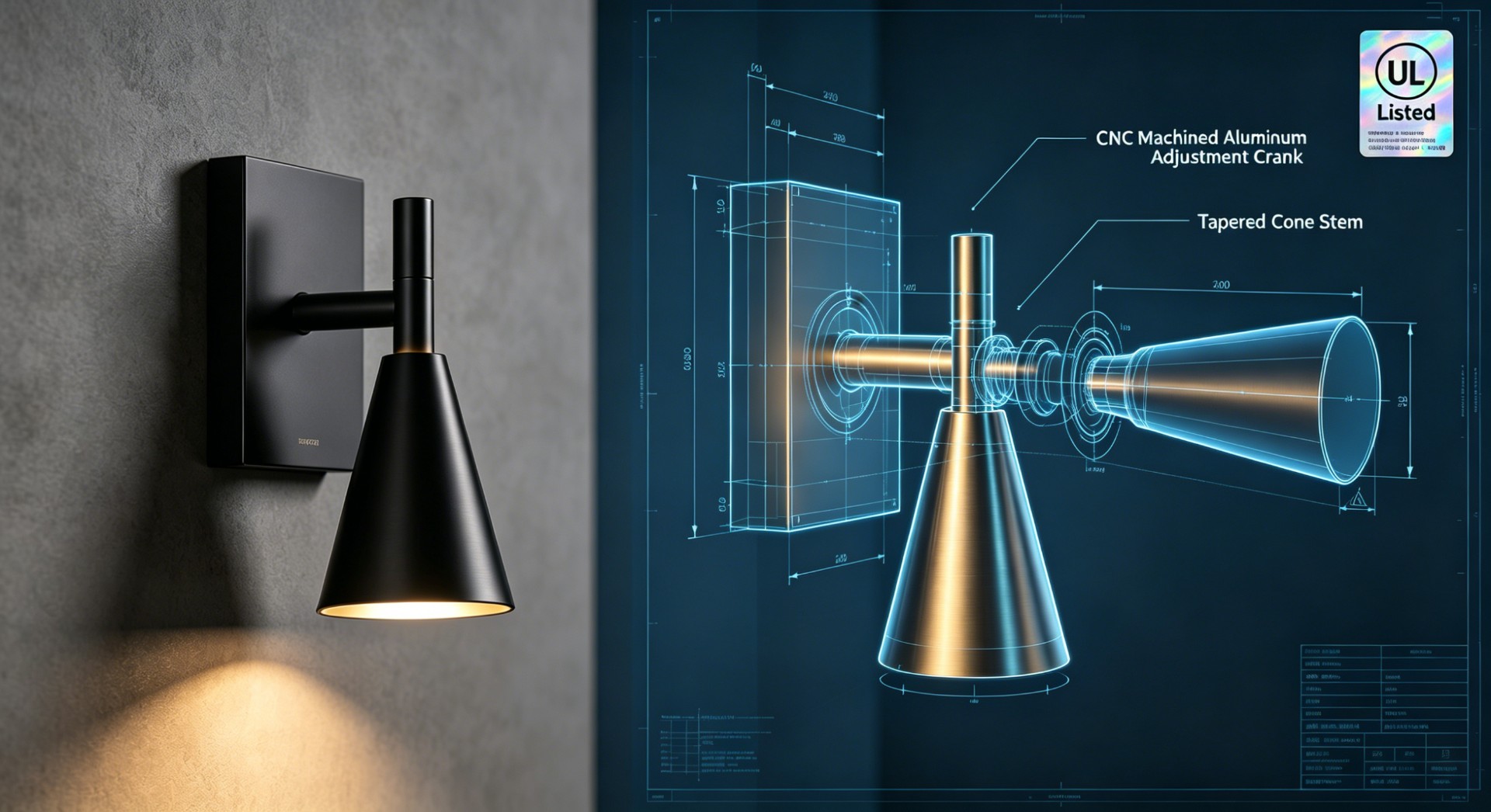
CAD and shop drawings. Crucial for identifying structural interferences or mounting depth issues.
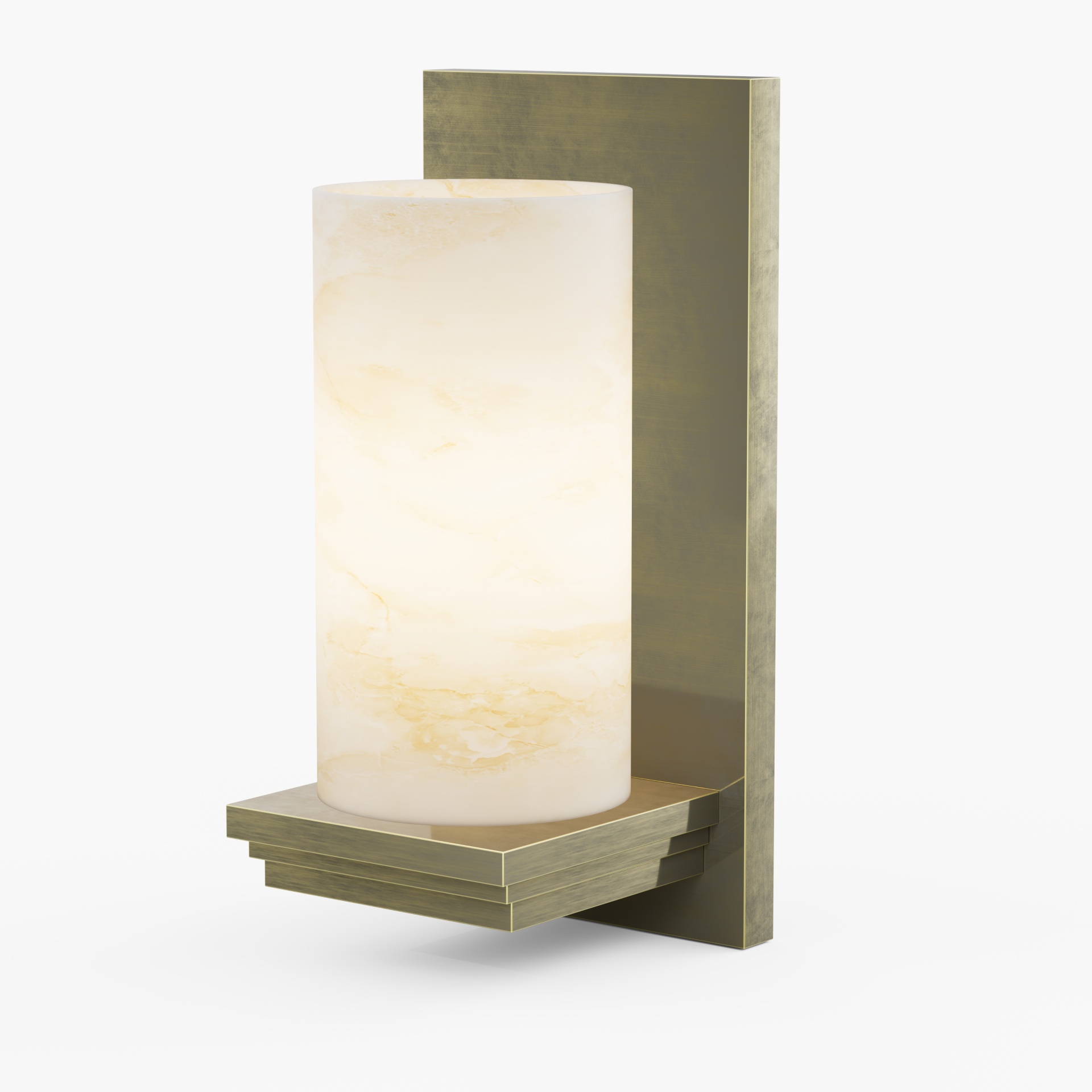
Cross-section views. Essential for fixtures involving specialized materials like Spanish alabaster or intricate mechanical parts such as an aluminum alloy adjustment crank. We need to verify that your design is not just beautiful, but durable enough for high-traffic hospitality use.
3. Finish and Material Integrity
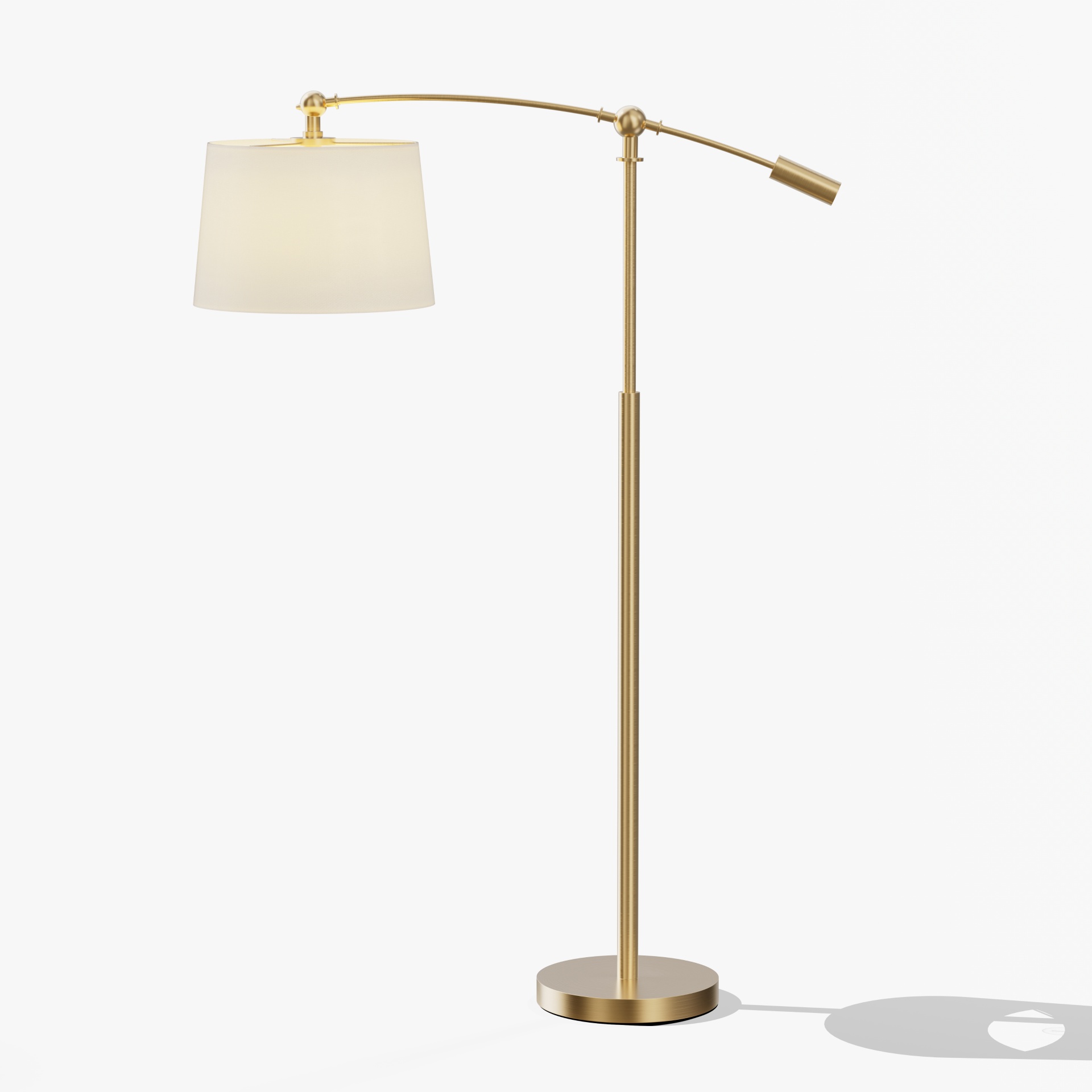
"Brushed gold" is a category, not a specification. To prevent costly mock-up rejections:
Always provide a RAL or Pantone code, or a physical reference sample.
Define the finish hierarchy. Specify the body, accent, and internal structural finishes clearly.
State tactile requirements explicitly. If your design requires specific qualities such as fingerprint-resistant brushed satin, state this requirement so we can align our plating or powder-coating processes accordingly.
4. Certification and Compliance
Certification is not a document to be added later. It is a design constraint.
Whether it is UL/cUL 1598 for North America, CE for Europe, or SAA for Australia, these must be locked in before the quotation stage. Changing a certification pathway after production starts necessitates a complete redesign of housing and electrical components, effectively resetting your lead time.
5. The Reality Check: Logistics and Timeline
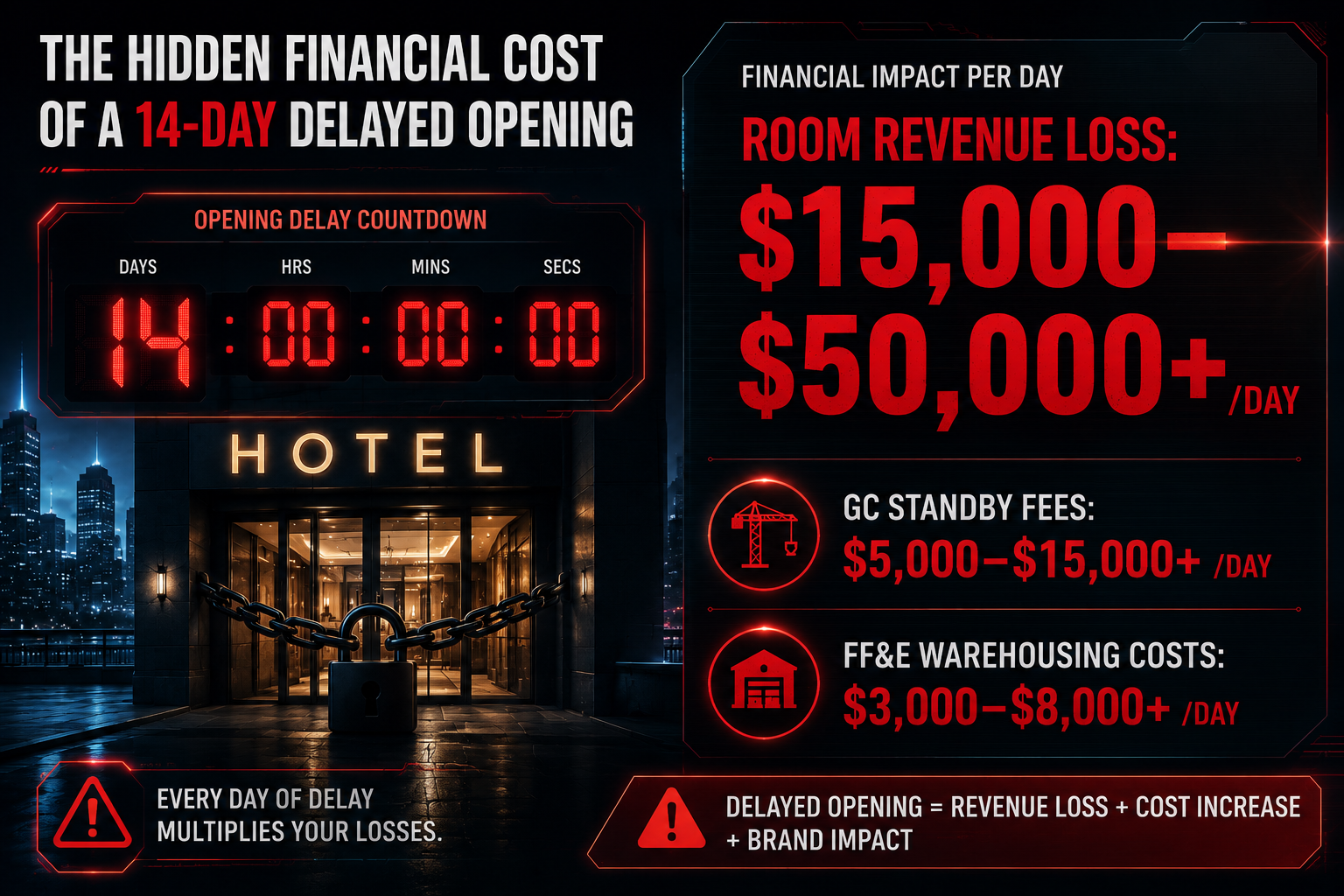
A hotel project is a time-bound construction schedule, not a simple product shipment.
Incoterms. Clarify your logistics structure (EXW, FOB, CIF, or DDP) early to avoid surprise costs.
Project milestones. Provide your firm installation date. If the timeline is too aggressive for the engineering requirements, we would rather flag it now than risk a production failure on site.
The Minoze Lighting RFQ Checklist
Before you send your RFQ, ensure your documentation includes the following.
| Category | Requirements |
|---|---|
| Technical | Lighting schedule (Excel), shop drawings, mounting specs |
| Finish | RAL or Pantone codes, physical sample references |
| Electrical | Voltage, dimming protocol, driver placement |
| Compliance | UL, CE, SAA, or CSA certification targets |
| Logistics | Destination city, Incoterms, installation deadline |
Frequently Asked Questions
What information does a hotel lighting RFQ need beyond a product list?
A complete RFQ requires a structured lighting schedule with fixture codes matched to floor plans, room types and quantities, mounting method and dimensions, wattage and color temperature, voltage, and dimming protocol. A product list alone does not give a manufacturer enough information to calculate material consumption, heat dissipation, or driver compatibility — all of which directly affect pricing.
Why is "brushed gold" not an acceptable finish specification?
Finish names like "brushed gold" or "antique brass" describe a category, not a measurable standard. Without a RAL or Pantone code or a physical reference sample, the factory's interpretation of the finish may differ from the designer's intent, causing the production sample to be rejected during mock-up review. Providing a code or sample at the RFQ stage prevents this rejection cycle.
When should certification requirements be confirmed in the RFQ process?
Certification requirements — UL/cUL 1598 for North America, CE for Europe, SAA for Australia, or CSA for Canada — must be confirmed before the quotation stage, not after production begins. Each certification pathway affects housing design and internal electrical components differently. Changing certification after production starts requires a redesign of these components and resets the project lead time.
What Incoterms should be specified in a hotel lighting RFQ?
The RFQ should specify which Incoterm applies to the shipment: EXW (Ex Works), FOB (Free on Board), CIF (Cost, Insurance, and Freight), or DDP (Delivered Duty Paid). Each term shifts responsibility for freight, insurance, and customs clearance between the buyer and the manufacturer. Confirming this at the RFQ stage prevents unexpected logistics costs from appearing after the order is placed.
Why does an aggressive installation deadline affect the quoting process?
An installation deadline that does not allow sufficient time for shop drawing approval, sample production, certification testing, mass production, and shipping creates a conflict between the engineering requirements and the project schedule. Flagging this conflict at the RFQ stage allows the timeline to be adjusted or the scope to be re-sequenced, rather than risking a production failure discovered after manufacturing has started.
Our Policy: Precision Over Speed
At Minoze Lighting, we prioritize quality over the speed of the quote. We do not issue final pricing without a complete technical scope, as an incomplete quote is merely an estimate that will inevitably fail.
The goal of an RFQ is not just to get a price. It is to eliminate risk.
By providing complete information upfront, you are not just helping us — you are safeguarding your project's budget and schedule. When you provide a complete RFQ, we can provide a complete solution.
Ready to start your next hotel lighting project with precision? Contact our technical team at simon@minozelighting.com to discuss your project requirements.