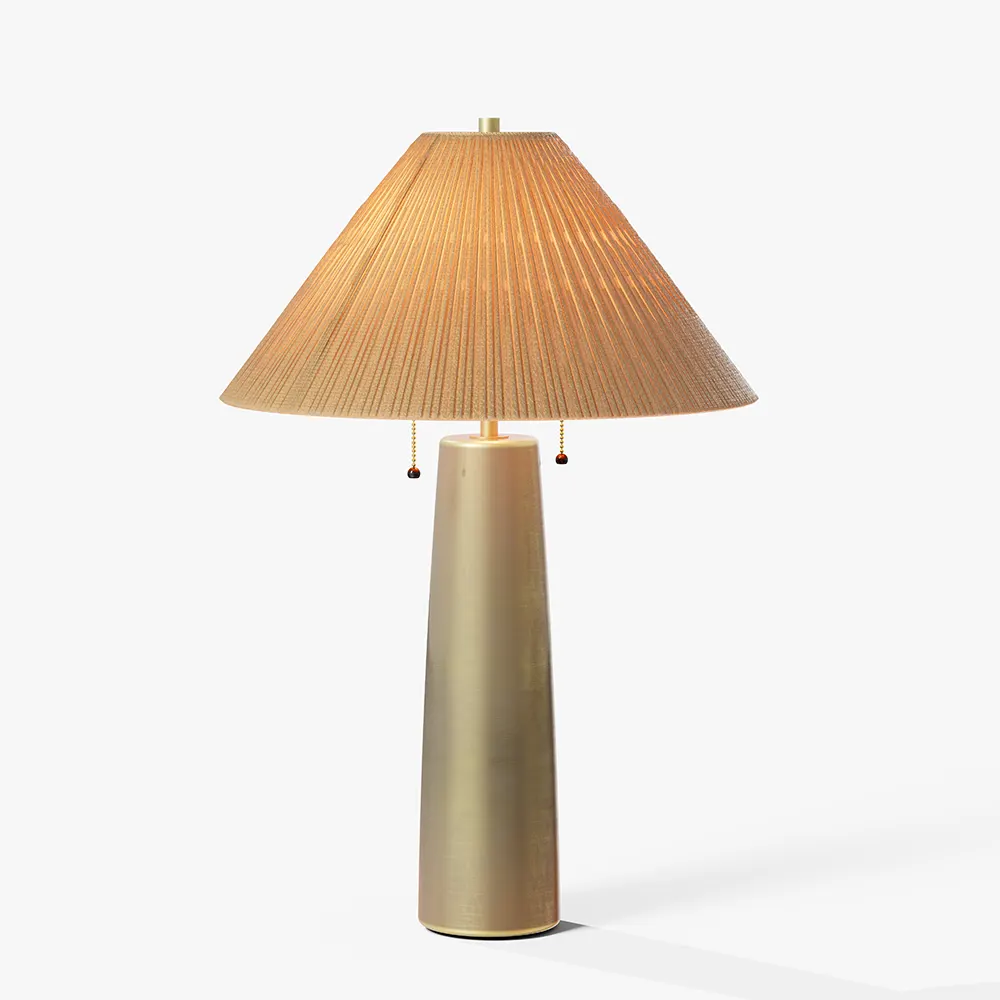
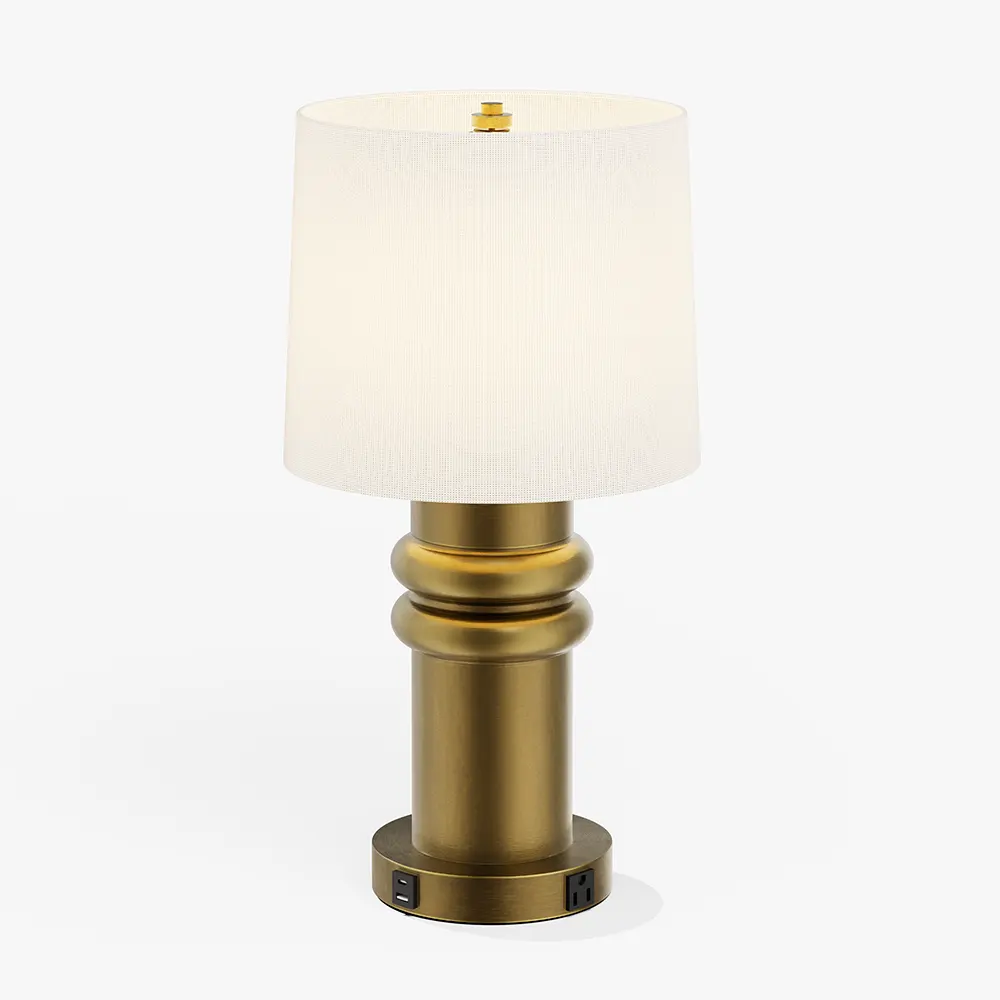
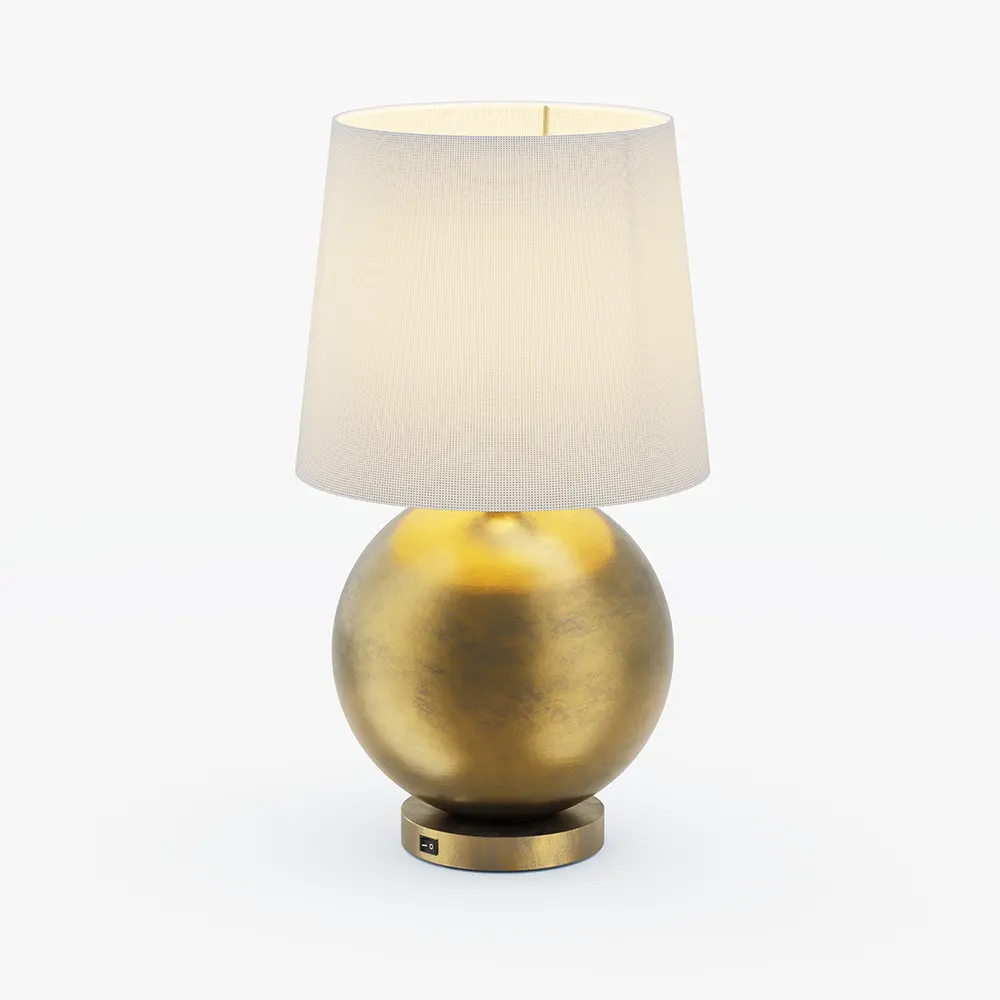
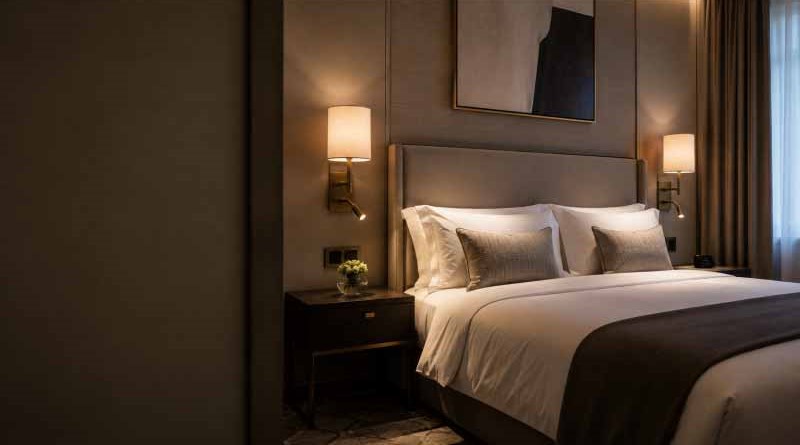
How to Make Fabric Lampshades:A Guide for Professional Manufacturers
“Discover how our engineering team optimizes fabric craftsmanship for durability, compliance, and aesthetic appeal in hospitality spaces.”
How to Make Fabric Lampshades?
A Guide for Professional Manufacturers
"Looking for a simple yet effective way to elevate your home’s interior? Learning “How to Make a Fabric Lampshade” might be your most rewarding DIY project yet. While mass-produced shades are everywhere, only a bespoke fabric lampshade allows you to precisely control light diffusion and interior style.
As a brand deeply rooted in professional hospitality and residential lighting, Minoze Lighting is opening up our studio secrets—from professional 'rolled-edge' techniques to heat-safety standards. Whether you’re a seasoned DIYer or a home décor enthusiast, this expert guide will take you from scratch to a high-end, commercial-grade finish."
Essential materials and tools before you begin:
Note: If you want to achieve the professional “Minoze Standard” effect, fabric and glue alone are not enough-you’ll need the items listed below!
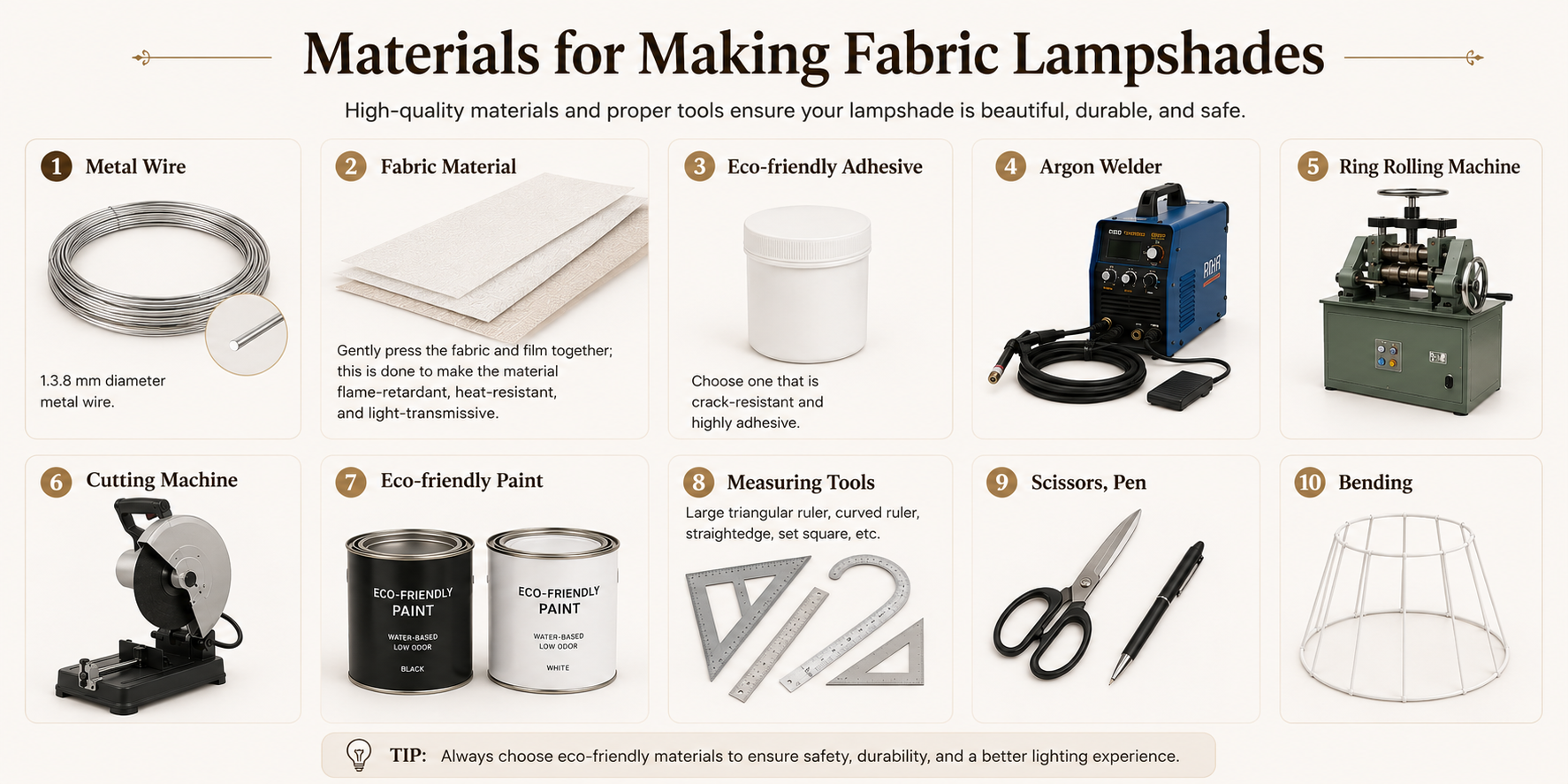
- 1.3.8 mm diameter metal wire.
- 2.Fabric material (gently press the fabric and film together); this is done to make the material flame-retardant, heat-resistant, and light-transmissive.
- 3.Eco-friendly adhesive (choose one that is crack-resistant and highly adhesive).
- 4.Argon welder.
- 5.Ring Rolling Machine.
- 6.Cutting machine.
- 7.Eco-friendly paint (choose your desired color; typically white or black).
- 8.Measuring tools (large triangular ruler, curved ruler, straightedge, set square, etc.).
- 9.Scissors, pen.
- 10.Bending.
Professional Secret:
- Choose styrene-backed fabric—that’s the secret. It’s a heat-resistant, flame-retardant plastic backing that provides structural support for the awning.
- For the fabric, lightweight to medium-weight cotton, linen, or polyester-cotton blends work best.
Pro Tip:
Before making a lampshade, you need to first determine the type of lamp head or categorize them by type, as the head type directly determines whether the lampshade can be installed—this is crucial! For example, if the head is an E26 type (without a collar), you will need to make an E26-type lampshade collar (ring) with an inner diameter of 42 mm (1.65 inches). If the head is an E12 type (without a collar), you will need an E12 lampshade collar (ring) with an inner diameter of 30 mm (1.2 inches). If the lamp head has a flange, you will need a spacer ring with an inner diameter of 10.5 mm (0.4 inches). There are also installation methods for special cases, which depend on the overall design of the fixture; however, this is typically the most common installation method.
Step-by-Step Instructions:
Before making a lampshade, you first need to decide on the size and shape you want, such as cylindrical, truncated cone, etc.
- 1.Using a wire bender, form a 3.8 mm iron wire into a ring according to your desired dimensions.
- 2.Use a bending machine to bend the 3.8 mm iron wire to the desired angle.
- 3.Use a cutting machine to cut a ring with an outer diameter of 60 mm and an inner diameter of 42 mm.
- 4.Use an argon welder to join the iron wire, the ring, the folded wire, and the flat ring together.
- 5.Remove rust from the wire frame, then spray it with your desired color.
- 6.Use measuring tools to calculate the pattern’s design and unfolded area, then cut it out with scissors.
- 7.Pro Tip: Generally, leave an extra 10 mm at the seams.
- 8.Apply eco-friendly glue to the wire frame.
- 9.Glue the cut fabric onto the wire frame to create your desired shape.
- 10.Use fabric trim of the same color to cover the seams of the two rings.
- 11.If you do not need to hem the edges, tuck the fabric inside. Note that if you choose this method, you must leave a 10-millimeter margin on the top and bottom edges when cutting the fabric.
- 12.Your lampshade is now perfectly complete.
A Friendly Reminder
- The Translucency Test
- Before cutting, hold your fabric up to a light source. Notice how the light filters through. At Minoze, we recommend natural linens for a soft, organic glow or white-backed synthetics for maximum brightness.
- Prepare the Styrene Panel
- Measure the circumference of your rings and add 1 inch for the seam overlap. Determine your desired height. Cut your adhesive styrene to these dimensions.
Pro Tip
Ensure your cuts are perfectly square. Even a 2mm deviation will cause the shade to sit crooked on the lamp base.
- Bond the Fabric
- Peel the backing off the styrene and lay it onto the wrong side of your ironed fabric. Smooth it out from the center to avoid bubbles. Trim the fabric, leaving a 1/2-inch margin on the top and bottom, and a 1/2-inch margin on one side for the vertical seam.
Of course, if you’re just doing a DIY project and don’t have many tools, you can use pliers or similar tools to shape it by hand.
Safety & Technical Standards
As a lighting manufacturer, safety is our priority. DIY projects must meet basic heat-resistance standards:
- The 1-Inch Rule: Always ensure your bulb is at least one inch away from the shade walls to prevent scorching.
- Wattage Matching: For fabric shades, Minoze recommends using light bulbs that extend the lifespan of fabric lampshades and adhesives!.
Frequently Asked Questions (FAQ)
Q1:What is the best fabric for a lampshade?
Natural fibers like cotton and linen are the gold standard. They handle heat well and offer a timeless aesthetic. Avoid heavy upholstery fabrics, as they block too much light and are difficult to tuck.
Q2:Can I make a lampshade without styrene?
We don't recommend it. Without the heat-resistant backing, fabric is a fire hazard and will lose its shape over time due to the heat of the bulb.
Q3:How do I clean a custom fabric shade?
Use a lint roller for weekly dusting. For deeper cleans, a dry sponge is best. Avoid water, as it can cause the fabric to shrink or the adhesive to fail.
Why Choose Minoze Lighting?
At Minoze, we believe lighting is the jewelry of the home and Emotional resonance. Whether you are DIYing your first shade or looking for a professional-grade fixture for a hotel project, one lamp quality and safety are at the heart of everything we do.